By Dipesh Ghimire
Middle East Conflict Disrupts Global Supply Chains, Triggers Oil Shock and Inflation Fears
Escalating tensions involving the United States and Israel in the Middle East have begun to ripple across the global economy, triggering disruptions in supply chains, energy markets, and trade routes. Since early 2026, the conflict has intensified uncertainty in critical maritime corridors, raising concerns among policymakers and businesses about a potential global economic slowdown.
One of the most immediate impacts has been felt in the energy market, particularly around the Strait of Hormuz, a vital chokepoint for global oil and gas shipments. With tensions threatening the safety of this route, crude oil supply has become increasingly uncertain. As a result, international oil prices have surged sharply, with petroleum crossing $110 per barrel and Brent crude climbing close to $120 within weeks. The rapid price increase—over 40 percent since late February—has significantly raised transportation and production costs worldwide.
Economists warn that such spikes in energy prices have a direct and compounding effect on inflation. A 10 percent increase in oil prices is estimated to push global inflation up by around 0.4 percentage points. With current levels far exceeding that threshold, many economies—both developed and developing—are now facing renewed inflationary pressures, potentially forcing central banks to reconsider monetary policies.
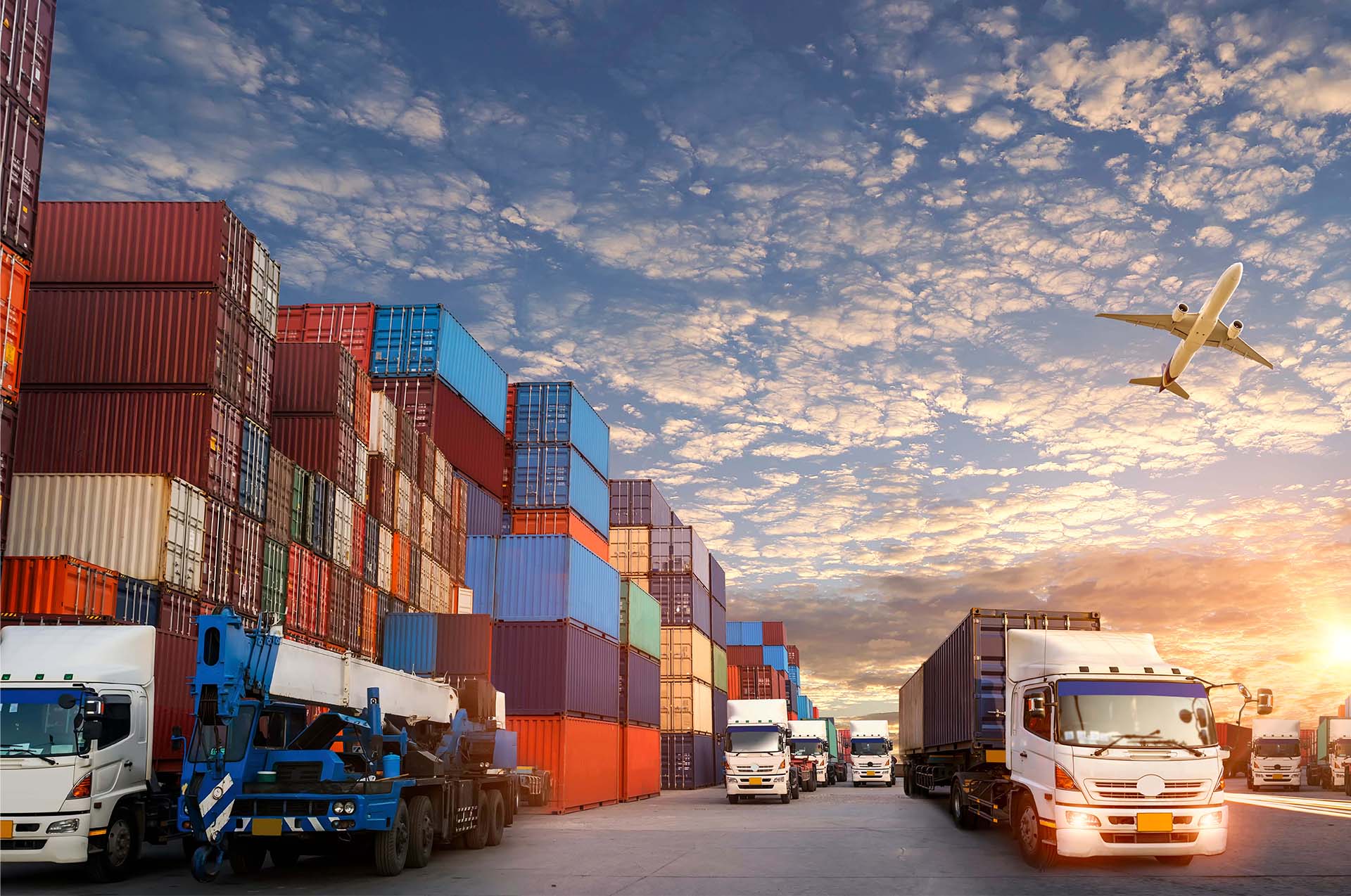
The conflict has also dealt a severe blow to global supply chains. Disruptions in key Middle Eastern ports and maritime routes have led to a sharp decline in shipping activity, with cargo movement in affected areas reportedly dropping by as much as 95 percent. To avoid high-risk zones, many vessels are now rerouting via the Cape of Good Hope, adding approximately 3,500 nautical miles per journey. This detour has increased fuel costs by up to $1 million per trip, further inflating global logistics expenses.
Trade flows between Europe and Asia have been particularly affected, as longer transit times have disrupted manufacturing schedules and delayed deliveries. Multinational companies are being forced to adjust production timelines, while shortages of critical inputs—such as industrial gases and chemicals used in semiconductor manufacturing—are beginning to strain the technology sector. The cascading effect highlights how deeply interconnected global supply networks have become.
The agricultural sector is also experiencing mounting pressure. Supply disruptions of chemical fertilizers from the Middle East have driven up input costs for farmers worldwide. This raises concerns about reduced agricultural output in upcoming seasons and increases the likelihood of a global food price surge. At the same time, higher transportation costs for construction materials such as steel, iron, and aluminum are pushing up infrastructure development expenses.
Air transport has not been spared either. With Iranian and surrounding airspace deemed unsafe, airlines are forced to take longer routes, resulting in higher operational costs and reduced cargo capacity. Reports suggest that global air cargo capacity has declined by around 18 percent, adding further strain to already stressed supply chains.
Financial markets have reacted swiftly to the unfolding crisis. Stock markets in export-driven economies such as Japan and South Korea have recorded declines of over 10 percent, reflecting investor concerns about reduced global trade and corporate earnings. Meanwhile, the strengthening of the US dollar is creating additional pressure on import-dependent countries, making it more expensive to service foreign debt and finance essential imports.
According to preliminary estimates from international financial institutions, if the conflict persists beyond three months, the global economy could face losses of up to $2.2 trillion in gross domestic product. Such a scenario would raise the risk of the most severe economic downturn since the 1973 oil crisis, with far-reaching implications for growth, employment, and financial stability.
Interpretation and Broader Implications
The current crisis underscores the vulnerability of the global economy to geopolitical shocks, particularly those centered around energy and trade routes. The Strait of Hormuz, through which roughly one-fifth of global oil and over one-fifth of liquefied natural gas flows, remains a critical pressure point. Any prolonged disruption in this corridor could fundamentally alter global energy dynamics.
The surge in oil prices is not just a supply issue but a catalyst for wider economic instability. Higher fuel costs feed into almost every sector—from manufacturing to food production—creating a chain reaction that amplifies inflation. For countries already grappling with economic fragility, this could lead to a combination of slower growth and rising prices, often referred to as stagflation.
Moreover, the disruption of supply chains reveals structural weaknesses in global trade dependency. Overreliance on specific routes and regions has made international commerce highly susceptible to localized conflicts. The forced rerouting of shipping and air traffic demonstrates how quickly costs can escalate and efficiency can decline when geopolitical risks materialize.
For policymakers, the unfolding situation presents a complex challenge. Balancing inflation control with economic growth, ensuring energy security, and maintaining financial stability will require coordinated global responses. In the absence of swift de-escalation, the conflict risks evolving into a prolonged economic crisis with lasting global consequences.