By Dipesh Ghimire
Nine Citizens Bank Staff Suspended Over Rs 49.1 Million Fraud in Biratnagar Branch
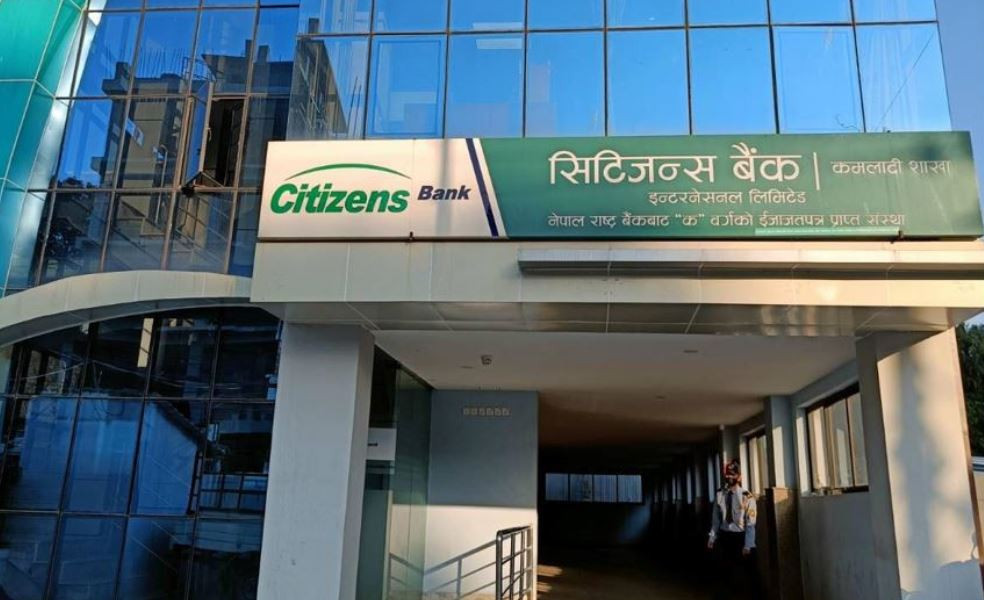
Nine employees of Citizens Bank International have been suspended following allegations of financial misconduct at its Kanchanbari branch in Biratnagar–4, Rajbanshi. The bank has initiated an internal investigation into the case, which involves the embezzlement of Rs 49.1 million belonging to depositors. Among those suspended is Rosie Kandel, the head of the branch’s operations department, who is believed to have played a key role in the incident.
According to sources familiar with the investigation, the fraud was carried out by creating fictitious borrowers and disbursing loans in their names. The scheme reportedly involved internal coordination among bank staff, allowing the fraudulent loans to be processed without immediate detection. Initially, the loan installments were reportedly paid regularly, which helped the transactions appear legitimate during early stages.
However, suspicion arose during an internal audit when irregularities were detected in the loan portfolio. As repayments began to falter, the bank initiated a deeper review of the credit files, eventually uncovering that several borrowers did not exist. The discovery prompted the bank to file a formal complaint with the police, leading to the launch of a legal investigation under banking offense provisions.
The incident has once again drawn attention to internal control weaknesses within financial institutions. Notably, this is not the first such case linked to the same branch. Around five years ago, a similar fraud had surfaced at the Kanchanbari branch, involving then branch manager Rupesh Rajbanshi, who faced disciplinary action. The recurrence of such incidents raises concerns about the effectiveness of corrective measures implemented after previous cases.
Interpretation and Systemic Concerns
This case highlights a classic example of internal loan fraud, where employees exploit system loopholes to create fake borrowers and siphon funds. The fact that loan repayments were initially maintained suggests a deliberate attempt to bypass routine monitoring systems, indicating a calculated and organized effort rather than an isolated lapse.
From a regulatory and risk management perspective, the incident exposes gaps in credit verification, KYC compliance, and internal audit mechanisms. While banks have increasingly adopted digital verification tools and stricter compliance frameworks, such cases show that internal collusion can still undermine these safeguards. When multiple employees are involved, it becomes significantly harder for standard control systems to detect irregularities in real time.
The case also underscores the importance of strengthening internal governance. Regular and independent audits, job rotation in sensitive departments, and stricter accountability mechanisms are essential to prevent such fraud. Additionally, real-time monitoring of loan disbursement and borrower verification through centralized systems could reduce the risk of fictitious accounts being created.
For the broader banking sector, this incident serves as a warning. As competition increases and loan portfolios expand, maintaining the integrity of lending processes becomes even more critical. Failure to address such vulnerabilities not only results in financial losses but also erodes public trust in financial institutions.
Ultimately, while the bank has taken swift action by suspending the employees and initiating legal proceedings, the effectiveness of its response will depend on whether it leads to deeper structural reforms. Without systemic improvements, similar incidents could continue to surface, posing ongoing risks to both the banking system and its customers.