By Dipesh Ghimire
Municipalities of Nepal Evaluated by the National Natural Resource and Fiscal Commission: A Comprehensive Report
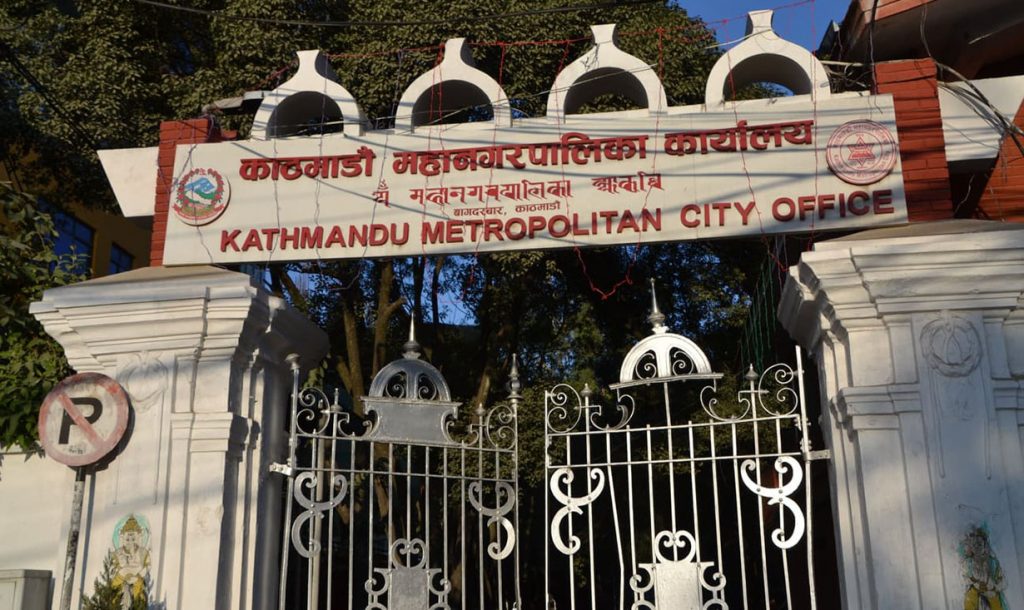
The National Natural Resource and Fiscal Commission of Nepal has recently released its assessment, ranking municipalities across the country based on various criteria. The city of Biratnagar, located in the Morang district, has topped the rankings for the current fiscal year, achieving an impressive score of 78.11%. This high score secured Biratnagar the first position, reflecting its exemplary performance across various indicators.
Lalitpur and Kathmandu Cities Follow Close Behind
Lalitpur, another major municipality, secured second place with a score of 76.33%, maintaining its reputation as one of the leading urban areas in the country. Kathmandu, the capital city, ranked third with a relatively lower score of 44.97%, highlighting some of the challenges it faces in fiscal and administrative management.
The city of Bharatpur in Chitwan, with a score of 68.08%, placed fourth, while Birgunj in Parsa followed with a score of 54%. Pokhara, a prominent tourist destination in Kaski, also performed well with a score of 58.76%. These scores reflect a varied level of performance in key urban centers, which are critical to the country’s economic development.
Kathmandu's Local Governance Rankings
Among the 11 local municipalities within Kathmandu, Nagarjun Municipality emerged at the top, scoring 70.63%. This municipality stood out for its efficient administration and implementation of various fiscal policies. Other localities within Kathmandu showed varying degrees of success. For example, Shankharapur Municipality scored 55.20%, while Kageshwori Manahara achieved 61.82%, and Tokha earned 65.67%.
Gokarneshwar and Budhanilkantha municipalities also performed relatively well, with scores of 56.78% and 51.39% respectively. On the other hand, municipalities such as Tarkeshwor and Kirtipur achieved scores of 59.29% and 62.15%, respectively, which demonstrates a moderate level of performance in the city.
Bhaktapur's Continued Progress
In Bhaktapur, Bhaktapur Municipality scored 68.32%, indicating a robust local governance structure. The neighboring Changu Narayan and Madhyapur Thimi municipalities also performed well with scores of 62.59% and 50.92%, respectively. Suryabinayak Municipality scored 66.52%, showing strong fiscal health and governance.
Lalitpur's Progress in Local Governance
Lalitpur’s Mahalakshmi Municipality recorded a score of 51.78%, while Godawari Municipality lagged behind with 40.93%. Konjosom, on the other hand, had an outstanding score of 68.79%. Mahakal and Bagmati rural municipalities also performed well, with scores of 72.99% and 67.84% respectively. These scores highlight the diversity of local governance across Lalitpur's rural and urban municipalities.
Key Indicators and Criteria for Evaluation
The commission evaluated municipalities based on a set of 17 specific indicators. These included fiscal performance metrics, such as the timely presentation of budgets and revenue estimates, as well as the contribution of local bodies to provincial funds. The evaluation also examined the implementation of local plans, such as educational objectives, student retention rates, and community health indicators.
Among the significant criteria was the number of women who had at least four antenatal checkups and the percentage of fully immunized children. Municipalities were also evaluated on their ability to manage local reserves, implement annual plans, and produce regular financial reports.
Fiscal Responsibility and Performance Indicators
A critical aspect of the evaluation was the municipalities’ fiscal responsibility, including how efficiently they allocated and spent the funds. The commission closely monitored the collection of revenue, the use of allocated budgets, and the implementation of various administrative reforms. For example, municipalities were tasked with ensuring that revenue collections, such as land registration and entertainment taxes, were properly distributed to the provincial treasury.
Additionally, the performance of community schools was closely scrutinized, with an emphasis on student performance, particularly the number of students achieving a GPA of 1.6 or higher in grade 10 exams. Municipalities were required to ensure that educational objectives were met, including improving student retention and educational outcomes.
Concluding Observations
The report emphasizes the importance of efficient local governance and fiscal responsibility. It serves as a benchmark for municipalities to improve their administrative systems, ensure transparency in financial dealings, and enhance service delivery to the public. The evaluation also provides valuable insights for local government authorities to align their goals with national development strategies.
These findings underscore the need for municipalities across Nepal to focus on strengthening their governance structures, promoting transparency, and achieving better outcomes in both fiscal management and public services. The next steps involve further refining the indicators and developing strategies to address the gaps identified in this comprehensive assessment.