By Dipesh Ghimire
Nepal Telecom Faces Declining Profit Amid Increased OTT Service Usage, Operating Income Shows Modest Growth
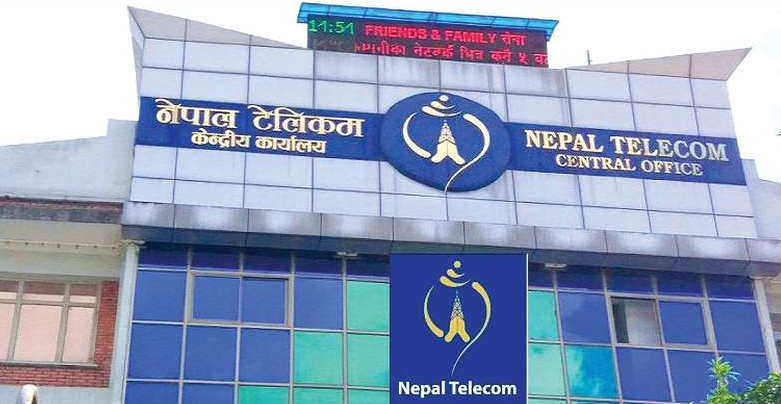
Nepal Telecom has released its unaudited financial results for the first six months of the current fiscal year, highlighting a notable decline in profit alongside a modest increase in operating income. The results underscore both the challenges and opportunities the company faces in an evolving telecommunications landscape.
Profit Decline: A Major Concern
Nepal Telecom's net profit for the first half of the fiscal year stands at NPR 4.16 billion, reflecting a 12.98% decrease compared to NPR 4.78 billion in the same period last year. This significant decline in profit can be attributed to several factors, most notably the increasing adoption of Over-The-Top (OTT) services like Viber, WhatsApp, and other messaging platforms. These services are reducing the demand for traditional telecom services, such as voice and SMS, which have historically been a significant revenue driver for Nepal Telecom.
The decline in profit is a clear signal that Nepal Telecom is facing increased competition, not only from other telecom companies but also from global OTT platforms that offer communication services without the need for traditional telecom infrastructure. With the rising popularity of free messaging and calling services, Nepal Telecom’s traditional revenue streams are being squeezed.
Operating Income Shows Modest Growth
While the overall profit has declined, the company’s operating income has shown a modest increase. Operating income rose by 1.73%, reaching NPR 17.30 billion for the first six months of the fiscal year. This growth suggests that Nepal Telecom has been able to maintain or slightly expand its core business operations despite the challenges posed by OTT services. The increase in operating income could be attributed to the growth in data services, broadband, and internet connectivity, areas where Nepal Telecom still holds a significant market share.
However, the relatively small growth in operating income indicates that while the company is managing to maintain its existing business, it may not be fully capitalizing on new revenue opportunities in the rapidly evolving digital landscape.
OTT Services: The Growing Threat
The biggest challenge facing Nepal Telecom is the rise of OTT platforms. The increasing use of services like WhatsApp, Viber, and other internet-based messaging platforms has fundamentally altered the communications market. These services bypass traditional telecom infrastructure, allowing users to send messages and make calls for free or at a very low cost, reducing the demand for traditional telecom offerings.
Nepal Telecom’s financial results confirm this shift, with the company attributing the impact on its revenue and profit to the growing use of OTT services. This is a significant concern for telecom providers globally, and Nepal Telecom is no exception. The company will need to adapt to these changes by exploring new business models, improving its data services, and possibly introducing new digital services to stay competitive.
Future Outlook: Adapting to the Changing Market
The decline in profit and the pressure from OTT services highlight the need for Nepal Telecom to adapt its business strategy. As data consumption continues to increase, Nepal Telecom has an opportunity to grow its revenue in the broadband and internet sectors. To maintain its competitive edge, the company must focus on diversifying its services, improving its digital infrastructure, and offering innovative solutions to meet the evolving needs of its customers.
Moreover, Nepal Telecom could explore partnerships with OTT service providers or enhance its own digital offerings, such as introducing value-added services like streaming, cloud storage, and enhanced customer support to provide a comprehensive package that meets modern communication demands.
Conclusion: A Transitional Phase for Nepal Telecom
In conclusion, Nepal Telecom’s financial results reflect a transitional phase for the company. While the decline in profit is a cause for concern, the modest growth in operating income shows that the company is still performing well in certain areas. However, the challenge of OTT services is undeniable, and Nepal Telecom must act quickly to adapt to the changing market dynamics. If the company can successfully diversify its offerings and tap into new digital services, it could secure its position in the rapidly changing telecom landscape.