Economy
·

By Dipesh Ghimire

Nepal Rastra Bank: Regulator of the Country's Monetary System
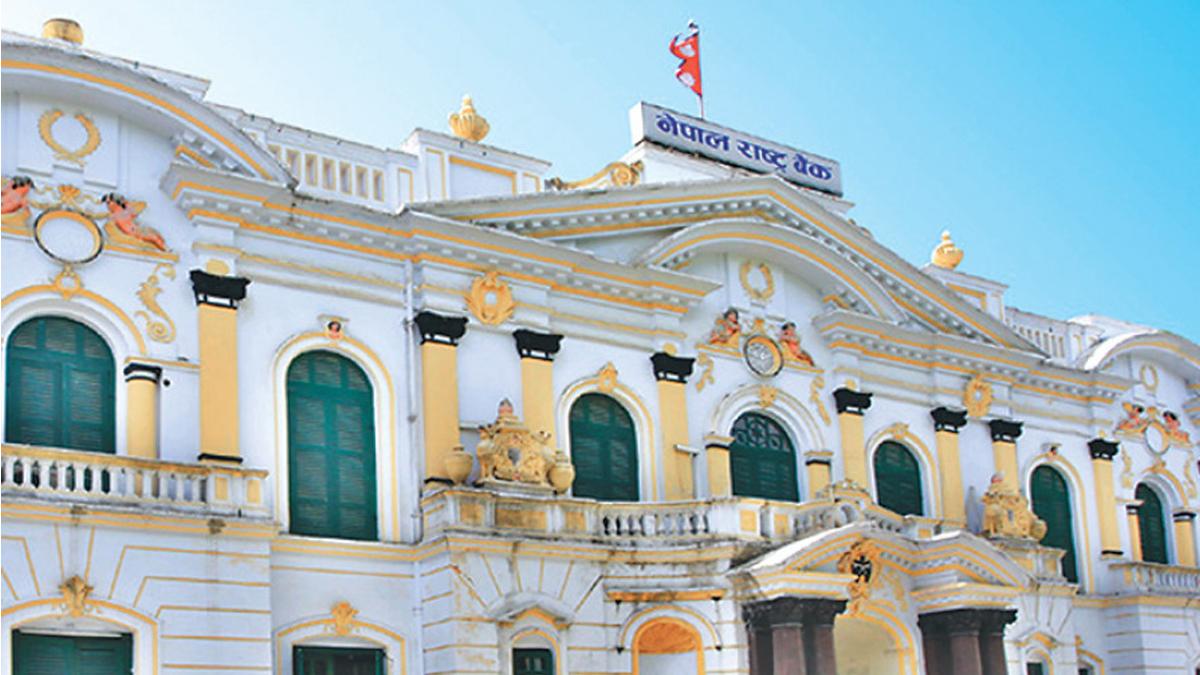
Nepal Rastra Bank: Regulator of the Country's Monetary System

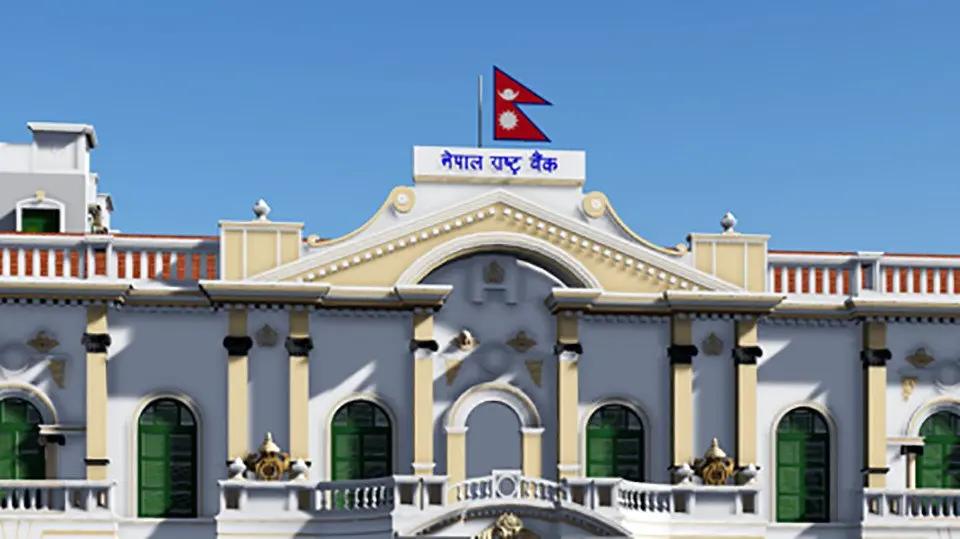
Nepal Rastra Bank (NRB) is the central bank of Nepal, established on April 27, 1956 (Vaishak 14, 2013 BS). Its primary mandate is to regulate and operate the monetary system of the country. The bank manages and oversees the issuance and management of Nepalese currency notes and coins.

Main Objectives of Nepal Rastra Bank:

- Management of Nepalese Currency: NRB is responsible for the production and management of currency notes and coins across Nepal.

- Monetary Policy and Implementation: It formulates and implements various monetary policies and plans to maintain monetary stability in Nepal.

- Foreign Exchange Policy and Implementation: NRB regulates and ensures the proper management of foreign exchange operations to stabilize foreign exchange rates.

- Maintaining Financial Stability: NRB manages and monitors the stability and liquidity of banks and financial institutions.

- Regulation, Inspection, and Supervision: It regulates, inspects, supervises, and monitors banks and financial institutions to ensure compliance with regulations.

Roles, Duties, and Powers of Nepal Rastra Bank:

- Manufacture and management of banknotes and coins.

- Formulation and implementation of monetary policy.

- Formulation and implementation of foreign exchange policy.

- Determination of exchange rate systems.

- Management and operation of foreign exchange reserves.

- Authorization and supervision of banks and financial institutions to conduct financial transactions.

- Establishment and enhancement of payment, clearing, and settlement systems.

Nepal Rastra Bank contributes to the overall stability and prosperity of the economy through these functions and endeavors.

Related Blogs

High-Level Panel Urges Capital Expansion and Structural Reform for Nepal Stock Exchange
Top

4 min read

High-Level Panel Urges Capital Expansion and Structural Reform for Nepal Stock Exchange

High-Level Panel Urges Capital Expansion and Structural Reform for Nepal Stock Exchange A high-level committee formed to restructure the Nepal Stock Exchange (NEPSE) has concluded that increasing the exchange’s paid-up capital is essential for its long-term sustainability and competitiveness. The 126-page report, prepared under the coordination of former Nepal Accounting Board chairperson Prakash Jung Thapa, was made public by the Ministry of Finance, Nepal on Tuesday. The report states that although the Securities Market Operation Regulation, 2007 requires a minimum paid-up capital of NPR 3 billion for a secondary market operator, NEPSE is currently operating with only NPR 1 billion. According to the committee, this gap has limited the exchange’s ability to modernize its services and compete with regional and international markets. The committee has warned that without sufficient capital, NEPSE cannot make the necessary investments in technology, human resources, infrastructure, research, and service expansion. To address this, it has recommended issuing bonus shares to immediately raise paid-up capital to NPR 3 billion. If additional funding is required in the future, the report suggests mobilizing resources through rights shares or fresh public offerings. Analysts believe this recommendation reflects growing concern over NEPSE’s weakening institutional capacity. In recent years, the exchange has struggled to keep pace with technological change, while neighboring markets have invested heavily in automation, surveillance, and data systems. As a result, Nepal’s capital market has remained relatively small and less attractive to foreign investors. The report has also highlighted weaknesses in NEPSE’s ownership and governance structure. At present, the Government of Nepal holds 58.66 percent ownership, while the remaining shares are held by public and financial institutions. The committee argues that this structure has reinforced bureaucratic control and limited managerial flexibility. To address this, the panel has proposed partial divestment and the introduction of strategic partners. However, it has ruled out full privatization, warning that complete government withdrawal could weaken small investors’ confidence, increase the risk of monopoly, and undermine market self-regulation. Instead, it recommends maintaining partial state ownership while gradually reducing government stakes. Under the proposed model, strategic partners may be allowed to hold between 15 and 25 percent ownership, with a mandatory lock-in period of at least ten years. The report states that such partners should be selected from leading global stock exchanges with at least 20 years of experience and membership in the World Federation of Exchanges (WFE).

Dipesh Ghimire

·

4 Feb, 2026

Nepal Strengthens Cyber Defenses as Digital Banking Risks Continue to Rise
Top

3 min read

Nepal Strengthens Cyber Defenses as Digital Banking Risks Continue to Rise

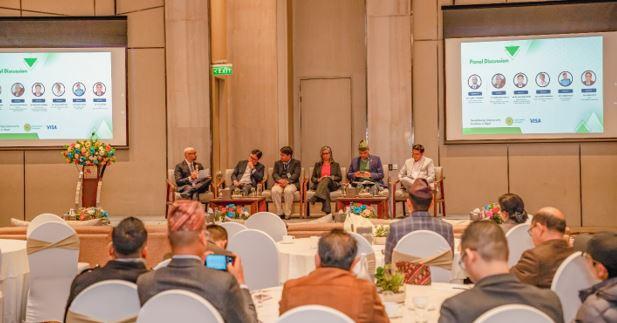
Nepal Strengthens Cyber Defenses as Digital Banking Risks Continue to Rise As Nepal’s digital financial ecosystem expands rapidly, concerns over cyber threats and data security are becoming increasingly prominent. Against this backdrop, the Nepal Bankers Association (NBA), in collaboration with Visa, organized a national-level workshop in Kathmandu aimed at strengthening the country’s cyber resilience. The event, titled “Strengthening Cybersecurity Resilience in Nepal,” was held on Magh 14 and brought together key stakeholders from across the financial and security sectors. The workshop was organized at a time when digital payments, mobile banking, and online transactions are growing at an unprecedented pace. While these developments have improved financial access and efficiency, they have also increased Nepal’s exposure to cyber fraud, data breaches, and digital crimes. Organizers said the program was designed to help institutions better understand emerging threats and improve their preparedness. High-level representatives from government agencies, regulatory bodies, security institutions, banks, financial companies, and international development partners participated in the event. According to the organizers, this broad participation reflected a shared recognition that cybersecurity is no longer a technical issue alone but a national priority linked to economic stability and public trust. The inaugural session was attended by officials from the Ministry of Communication and Information Technology, the cyber security directorate of the Nepal Army, Nepal Rastra Bank, and the International Finance Corporation (IFC). Their presence highlighted the growing importance of inter-agency coordination in protecting Nepal’s digital economy.

Dipesh Ghimire

·

4 Feb, 2026