By Dipesh Ghimire
Nepal’s Electoral Economy Boosted by New Bank Account Directives

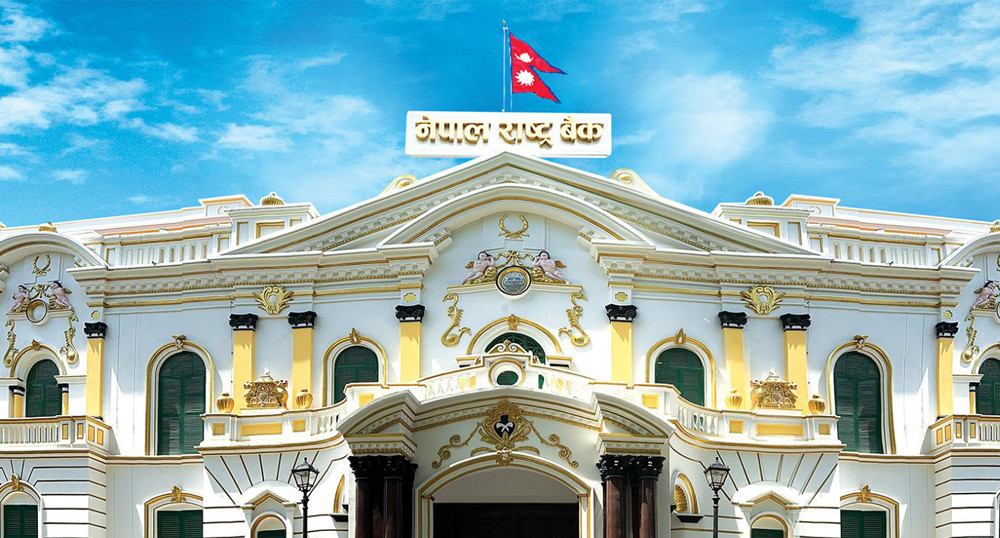
The Nepal Rastra Bank’s recent directive to open separate bank accounts for election-related transactions has introduced a significant shift in the banking sector. With the Election Commission mandating that candidates conduct financial transactions exclusively through banks, there has been a noticeable surge in electoral economic activity. The move, while aimed at ensuring transparency, has also added momentum to the banking sector, which had previously struggled to accommodate cash-based transactions.
Ensuring Transparency and Accountability
In previous elections, candidates often engaged in cash transactions, leaving little trace of their financial dealings and making it difficult to track the flow of money. This situation resulted in substantial amounts of money never reaching the formal banking system. However, the Election Commission's recent instructions have brought a new level of accountability. Following these instructions, the central bank issued a formal request for the banking sector to facilitate the opening of accounts for election-related transactions.
The Election Commission emphasized that candidates must operate through these designated accounts to manage their campaign expenditures. This directive ensures that all electoral expenses are tracked and recorded, allowing the authorities to maintain better oversight of campaign finance.
New Accounts for Political Candidates
According to the central bank’s directive, each political party and independent candidate is required to open a separate account for their election-related transactions. This includes the proportional and direct representatives from each party. The bank accounts are not only meant for tracking the expenses of major parties but also for smaller parties and independent candidates, ensuring all are compliant with the new electoral regulations.
Impact on Bank Transactions and Electoral Economy
The Election Commission’s guidelines specify that candidates must spend election-related funds through the newly opened accounts. Transactions above NPR 25,000 must be processed through these accounts, with candidates unable to engage in any unregistered transactions. For smaller expenses, below NPR 25,000, the regulations are less clear, leaving some ambiguity about whether such expenditures require a designated account.
It is estimated that these changes will lead to approximately NPR 12 billion in total spending across the country. Based on the Election Commission’s allowances, individual candidates will be permitted to spend between NPR 25 lakh (2.5 million) to NPR 33 lakh (3.3 million), depending on their constituency. Kathmandu, being a major electoral hub, will see higher limits compared to rural districts.
Regional Variations in Spending
The election spending limits vary across Nepal’s different regions, with candidates in major urban constituencies like Kathmandu being allowed to spend up to NPR 25 lakh, while those in more remote districts will have a higher spending cap. For instance, candidates in areas like Jhapa, Morang, and other districts in the eastern region are authorized to spend up to NPR 29 lakh, while constituencies in the far west, such as Bajhang, Doti, and the like, will allow up to NPR 33 lakh.
The discrepancy in spending limits based on region reflects the differing costs of campaigning in urban versus rural areas. Campaign expenses in Kathmandu, with its dense population and media presence, are comparatively lower in terms of outreach costs, while remote regions require additional funds for travel, logistics, and local outreach.
Total Election Expenditure
The Election Commission’s overall estimate for electoral spending this year ranges from NPR 8 billion to NPR 12 billion, depending on how much candidates from smaller parties and independent candidates spend. The larger parties and those with a higher likelihood of winning are expected to spend closer to the top end of this range. However, the expenditures by smaller parties are expected to be less, potentially reducing the overall spending to around NPR 8 billion.
Economic Implications
The newly instituted system is likely to bring a significant amount of money into the formal banking sector, which had previously been underutilized during elections. This shift could help the banking industry see increased activity during the election season, with more funds circulating through bank accounts rather than remaining outside the formal financial system.
However, the broader economic implications are mixed. On one hand, the transparent flow of campaign funds will help to reduce corruption and increase accountability. On the other hand, the increased financial activity could place strain on the banking sector, especially in rural areas where access to banking services is still limited.
The Election Commission’s directive to manage electoral expenses through dedicated bank accounts marks a significant step toward ensuring transparency in Nepal’s election process. While the full impact of this change will only be felt after the election, it is clear that this move will bring greater oversight to campaign financing, reduce the use of unaccounted cash, and provide a clearer picture of election-related economic activity. As the election season heats up, the banking sector will play an increasingly vital role in managing the financial flows that drive the electoral economy.