By Dipesh Ghimire
NEPSE Slips After Five-Day Rally, Profit Booking Signals Short-Term Pause in Bullish Trend
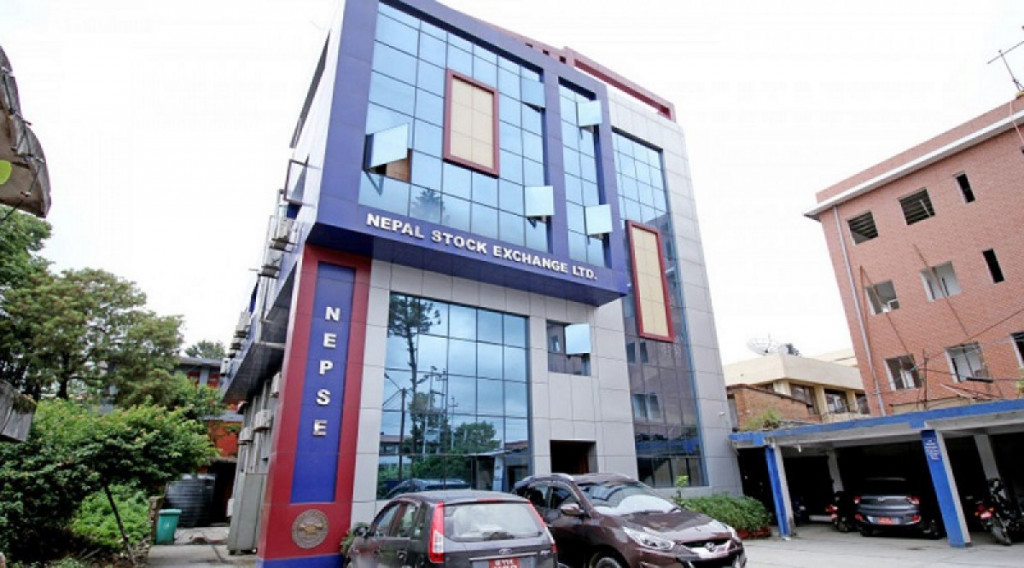
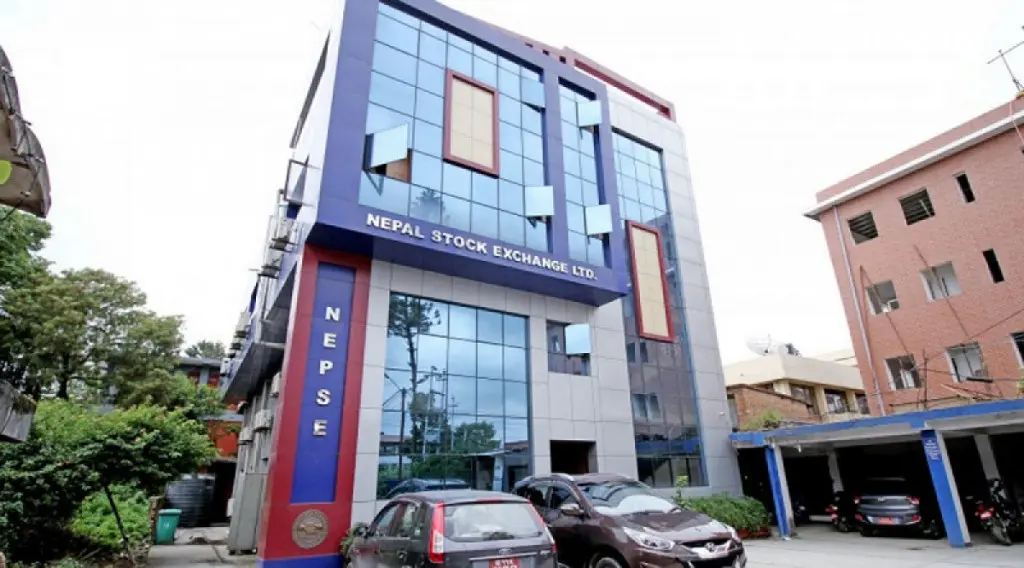
Kathmandu — After a strong five-day rally, Nepal’s stock market witnessed a correction on Wednesday, with the Nepal Stock Exchange falling by 24.45 points. The decline comes after the benchmark index had gained 161 points over the previous sessions, raising questions among investors about whether the market is entering a consolidation phase or preparing for another upward move.
Market analysts point out that the current correction is not entirely unexpected. The NEPSE index has historically struggled to sustain momentum near its all-time high of 3,198 points, recorded on Shrawan 27, 2078. Since then, the index has approached this resistance level multiple times but failed to break through, often reversing course shortly after. This recurring pattern has reinforced the perception of the zone as a strong psychological and technical barrier.
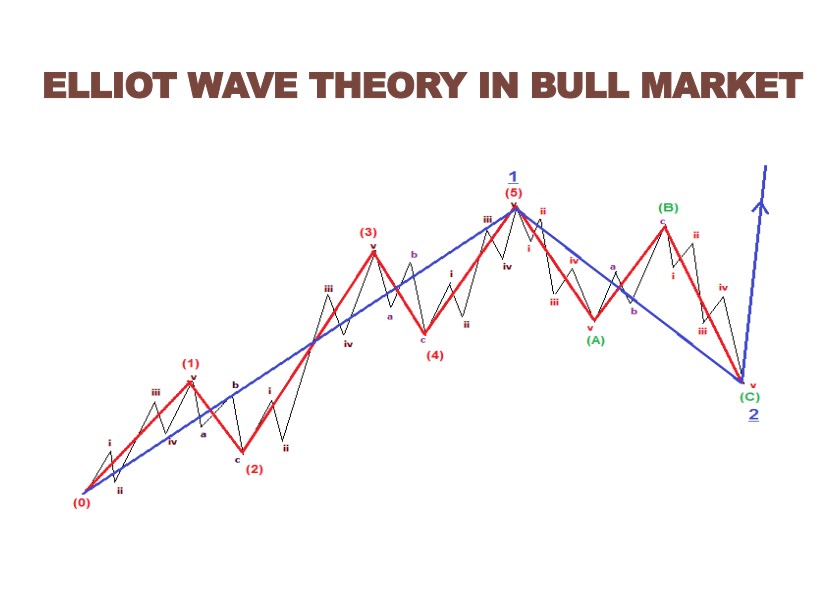
The latest price action has also drawn attention to technical indicators. The formation of a bearish engulfing pattern across Tuesday and Wednesday’s candlestick charts suggests a potential short-term pullback. However, analysts caution that this is not yet a definitive reversal signal. Instead, it reflects a temporary weakening of bullish momentum, requiring confirmation from subsequent trading sessions before drawing firm conclusions.
Despite the short-term correction, broader technical indicators continue to support a bullish outlook. The presence of a golden crossover — where the 50-day moving average remains above the 200-day moving average — indicates that the underlying trend is still upward. The sustained gap between these two averages further strengthens the argument that the market remains in a structurally positive phase, even as it experiences intermittent corrections.
Market participants largely attribute Wednesday’s decline to profit booking. After consecutive gains, investors have started to lock in profits, particularly in stocks that have delivered significant returns within a short period. According to brokers, several companies have generated returns ranging from 5 to 21 percent over the past five sessions, with some stocks delivering gains as high as Rs 640 per share. In such conditions, a wave of selling to secure profits is considered a natural and healthy market behavior.
Interestingly, this phase of correction appears to differ from previous cycles. Brokers note that despite the decline, liquidity in the market remains strong. Unlike earlier periods when a single day of decline could disrupt cash flows within brokerage firms, the current environment reflects steady capital inflows. Daily turnover has consistently remained above Rs 10 billion for nearly two weeks, indicating sustained investor participation and confidence.
Sectoral and stock-specific movements further highlight the mixed dynamics. While newly listed companies have seen sharp price increases — in some cases between 49 and 77 percent — more established stocks have also delivered notable gains, with Corporate Development Bank emerging as one of the top performers. Such widespread gains across segments suggest that the rally was not narrowly driven but had broader market participation.
From a behavioral perspective, the market now appears to be entering a “wait-and-watch” phase. Investors are balancing optimism about the broader bullish trend with caution arising from repeated resistance near historical highs. This dual sentiment is likely to result in short-term volatility, as participants reassess positions and await clearer directional signals.
Looking ahead, analysts believe that the next few trading sessions will be crucial in determining the market’s trajectory. If the index manages to hold key support levels and absorb selling pressure, the bullish trend could resume. However, a sustained decline accompanied by weakening volume may indicate a deeper correction.
For now, the correction is being interpreted less as a sign of weakness and more as a phase of consolidation within an ongoing uptrend. The ability of the market to maintain liquidity and investor interest suggests that the broader sentiment remains intact, even as short-term fluctuations continue to shape trading behavior.