By Dipesh Ghimire
Opportunities Within Challenges: Nepal’s Tourism Potential
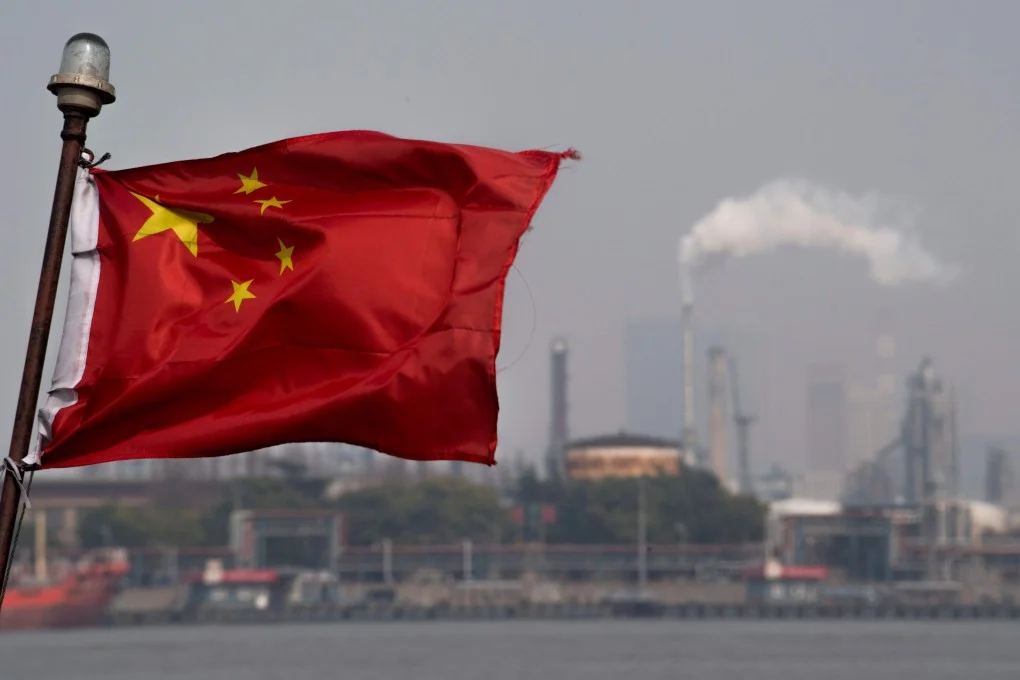
In the tourism industry, discussions often focus on possibilities and opportunities, but we seldom reflect on the challenges that must be overcome. Nepal finds itself strategically positioned between two neighboring giants, India and China, both of which have deep religious and cultural ties to Nepal. Nepal is home to some of the most significant religious sites in the world, including Pashupatinath, Lumbini, and Muktinath. These landmarks present an enormous opportunity to attract more tourists, especially from these neighboring countries. However, despite this potential, Nepal has yet to fully capitalize on this advantage. This indicates a gap—an issue that must be addressed for Nepal to reach its tourism potential.
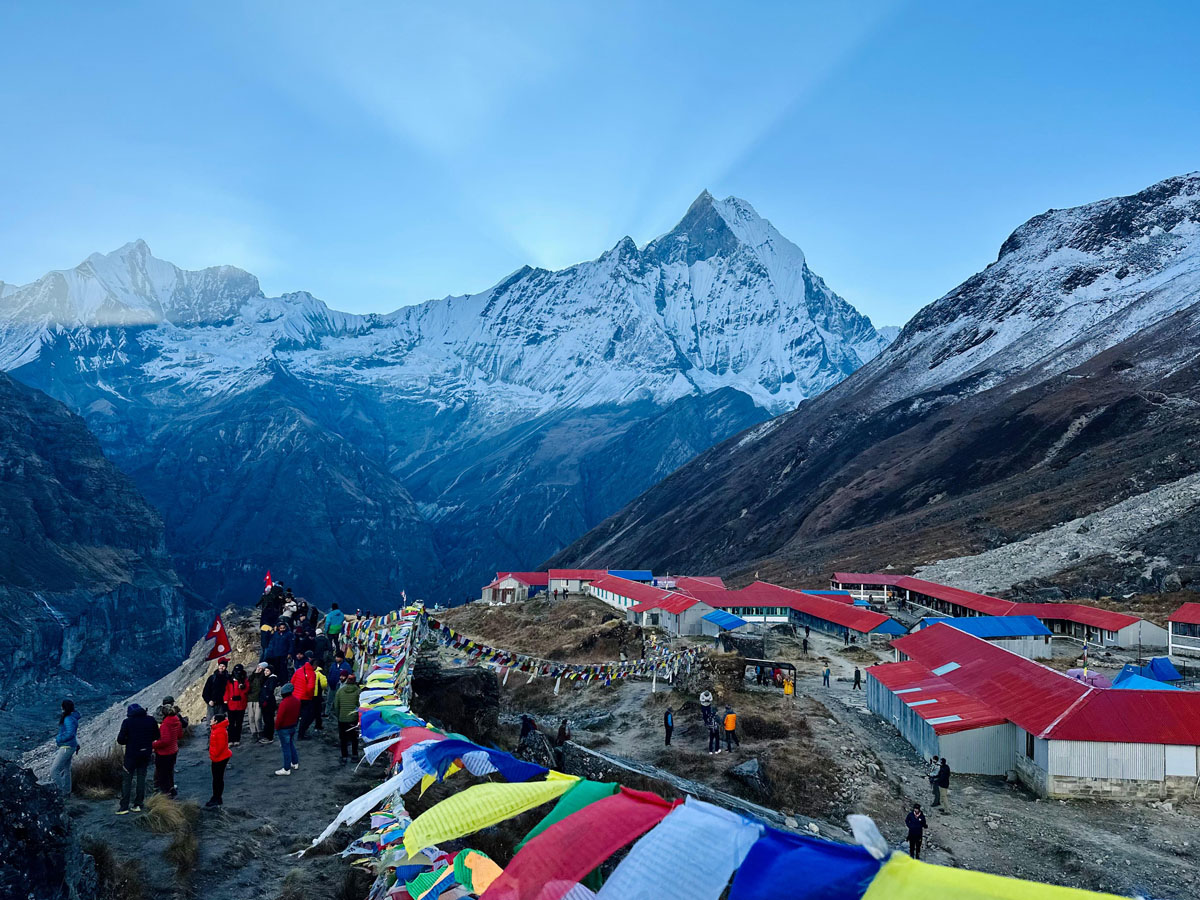
Looking at the current state of mountaineering tourism, it’s clear that many tourists are coming from Europe and the United States, with a noticeable increase in Chinese tourists in recent years. However, Nepal has not managed to attract the same volume of Indian tourists for mountaineering and trekking, even though they already visit for religious pilgrimages. This represents a missed opportunity to connect religious tourism with adventure tourism.
One of the key barriers to tourism growth in Nepal is the lack of interconnected infrastructure. For example, a tourist visiting Lumbini may not find a convenient connection to Pokhara, even though both destinations are within reach. Without proper transport links and connectivity, tourists are limited in their ability to experience more than one destination in a single trip. If these destinations were better connected, tourists could easily visit both Lumbini and Pokhara, expanding their experience and extending their stay. Infrastructure development that ensures easy connections between tourist spots is crucial for fostering long-term tourism growth in Nepal.
Furthermore, there has been a lack of sufficient investment in the tourism sector. While there has been an increase in investment in the hospitality industry, other areas of tourism remain underdeveloped. The private sector needs to invest more in understanding the preferences and interests of both domestic and international tourists. This research is essential for attracting further investments, especially in underdeveloped areas of the tourism sector. In addition, there are regulatory and service-related challenges that need to be addressed. Existing laws and government services often fail to meet the demands of the tourism industry, which limits growth opportunities.
Nepal’s branding and marketing efforts have also been lacking. Despite being rich in natural beauty and cultural heritage, the country has not managed to brand itself effectively as a top tourist destination. Nepal is still far behind in promoting its unique local culture, especially in terms of food. While countries worldwide proudly showcase their local cuisines, Nepal has not made much effort to introduce its own local dishes to international tourists. The lack of a strong "food culture" in Nepal is a missed opportunity to attract tourists. Similarly, the rich diversity of Nepal’s festivals, such as those celebrating various ethnic groups, remains largely untapped. By promoting these festivals, Nepal could attract tourists interested in cultural immersion and unique local experiences.
In recent times, there has been growing discontent over the increasing cost of travel in Nepal. Tourists have started looking for cheaper alternatives due to rising costs in Nepal. This is a clear sign that the country must reevaluate its pricing strategies and find ways to make the destination more affordable without compromising on the quality of services. As costs rise, Nepal risks losing its competitive edge in the tourism industry, especially to neighboring countries that offer similar experiences at lower prices.
In conclusion, Nepal faces significant challenges in harnessing the full potential of its tourism sector. However, these challenges also present opportunities for growth and innovation. By addressing the gaps in infrastructure, investment, branding, and regulation, Nepal can transform these challenges into long-term opportunities. It is time for the country to take a more proactive approach to tourism development, ensuring that it capitalizes on its rich cultural and natural resources while making the destination more accessible and appealing to a broader range of international tourists. The future of Nepal's tourism industry hinges on the country's ability to turn these opportunities within challenges into tangible results.