By Dipesh Ghimire
Tense Sebon Meeting Ends Without Resolution Amidst Controversy Over Double ISIN
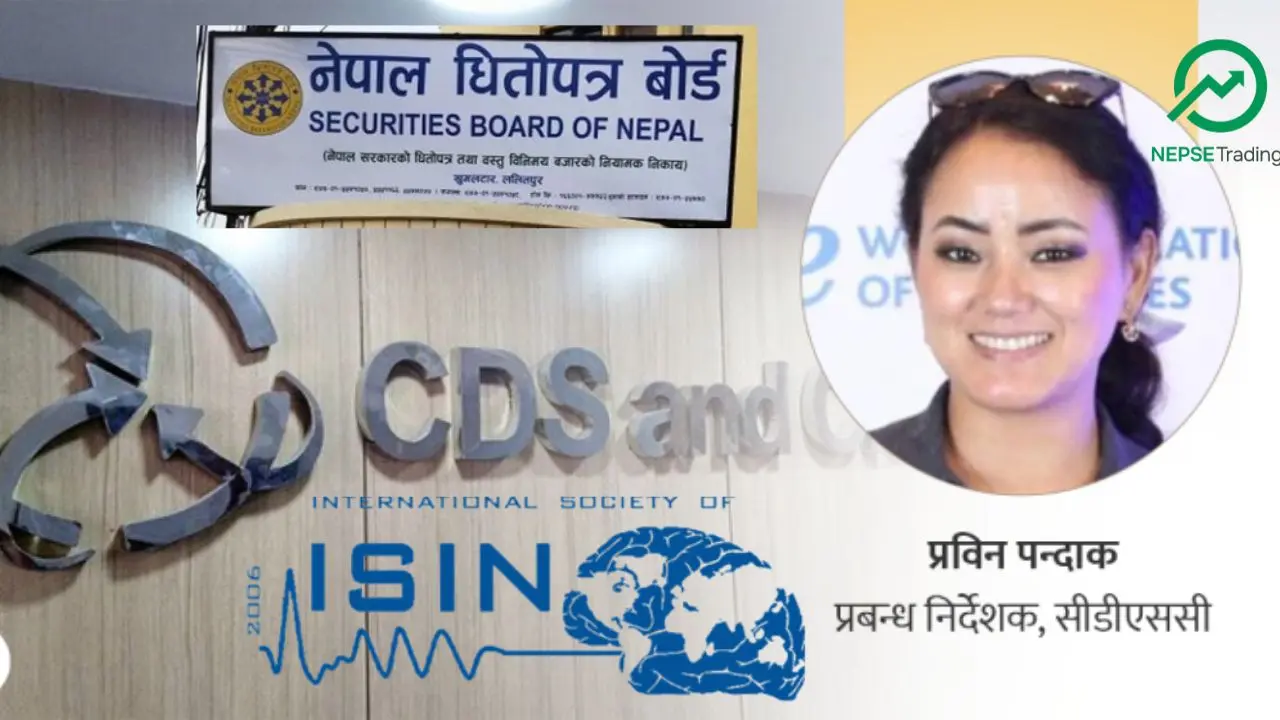
The Securities Board of Nepal (Sebon) convened an urgent meeting on Monday under immense pressure from investors and stakeholders to address the ongoing controversy surrounding the implementation of the ‘double ISIN’ system. The meeting saw intense debates, particularly between the CEO of CDS and Clearing Limited (CDSC), Pravin Pandhak, and the members of Sebon’s board. Despite the lengthy discussions, the meeting concluded without any clear resolution, leaving the contentious issue unresolved.
At the heart of the debate was Pandhak’s firm stance that there is no alternative to the double ISIN system. His statement, “There is no substitute for double ISIN,” sparked heated arguments among Sebon’s board members. While Pandhak remained steadfast in his position, most board members disagreed, asserting that CDSC should not be acting as a regulatory body but rather as a technical service provider. They emphasized that any decision made outside the legal framework would be unlawful, and that regulatory actions should be taken in accordance with existing laws.
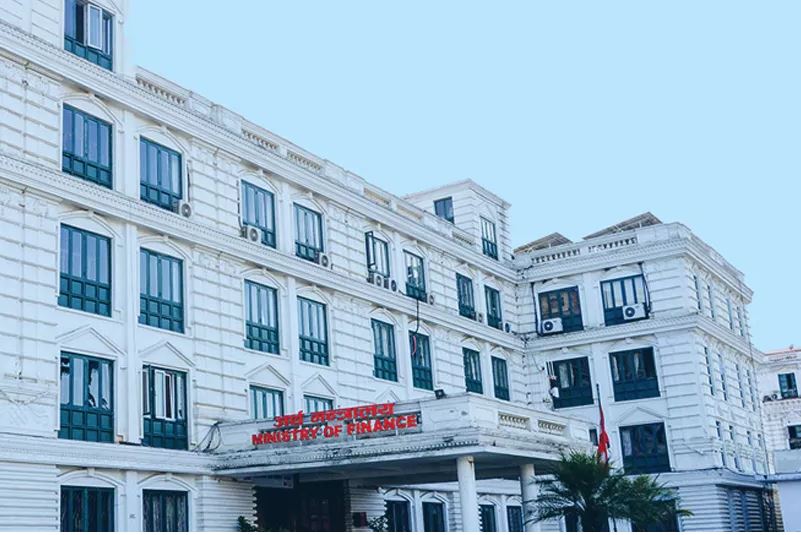
The majority of board members, including representatives from Nepal Rastra Bank, the Ministry of Law, the Federation of Nepalese Chambers of Commerce and Industry (FNCCI), and the Ministry of Finance, supported the single ISIN system. They argued that the issue was not with the ISIN itself, but with the underlying system that should be strengthened to work effectively within the framework of a single ISIN. One board member remarked, “The problem is not with the ISIN but with the system. By strengthening the system, all transactions can be tracked using a single ISIN.”
The debate continued for over four hours but failed to yield any concrete solutions, leaving the market in uncertainty. The deadlock has intensified the concerns of investors and industry players, with no clear direction on how to proceed.
Emerging Nepal and Pure Energy Companies Directly Affected
As the dispute drags on, companies like Emerging Nepal Limited and Pure Energy Limited are becoming the direct victims of CDSC’s insistence on the double ISIN system. Emerging Nepal’s founder shares had their lock-in period end on 3rd Magh 2081, but CDSC has halted the process of issuing a single ISIN, leaving these shares in a state of limbo. The delay has caused immense frustration as investors are unable to freely trade or pledge these shares as collateral.
Similarly, Pure Energy faces a dilemma where approximately 64 million shares, worth around NPR 640 million, are now unable to be traded on the market or used as collateral in banks and financial institutions due to the bottleneck created by the CDSC system. According to legal experts, this situation directly violates constitutional rights under Article 25, which guarantees the right to property. The inability to freely trade these shares has raised serious concerns about the protection of investor rights and the broader implications for market integrity.
Constitutional and Legal Concerns Intensify
Legal experts and market analysts have raised alarms about the constitutional implications of these delays. The situation where companies are unable to utilize their shares in a meaningful way contradicts the constitutional protections afforded to property rights. The ongoing regulatory struggle not only threatens the efficiency of the capital market but also undermines investor confidence, which is critical to the stability of Nepal's financial system.
The failure of Sebon and CDSC to resolve the issue has also cast a shadow over the broader hydropower sector. Emerging Nepal and Pure Energy, both active players in Nepal’s hydropower industry, are now seeing their projects and investments stagnate due to the ongoing regulatory uncertainty. Investors, both local and foreign, are becoming increasingly disillusioned with the lack of regulatory clarity, which could deter future investments in critical infrastructure projects.
Market Stability at Risk
The standoff between the regulatory bodies has now raised the risk of long-term damage to Nepal’s capital market. The continued inability to reach a resolution over the ISIN system is already having negative effects on market liquidity and investor confidence. Financial institutions with exposure to shares in limbo are at increased risk, and the delay in trading these assets may result in a financial loss for both investors and institutions.
For now, the market waits anxiously for Sebon and CDSC to resolve this deadlock. The stakes are high, as the legal and regulatory framework in place could determine the future of Nepal’s capital market. As the situation unfolds, the priority should be to protect the interests of investors and ensure that the capital market remains transparent and efficient. The market's ability to weather this storm will depend largely on how quickly these regulatory bodies can come to an agreement and restore investor confidence.