By Dipesh Ghimire
The Need for Integrated Environmental Infrastructure in Nepal’s Tourism Expansion
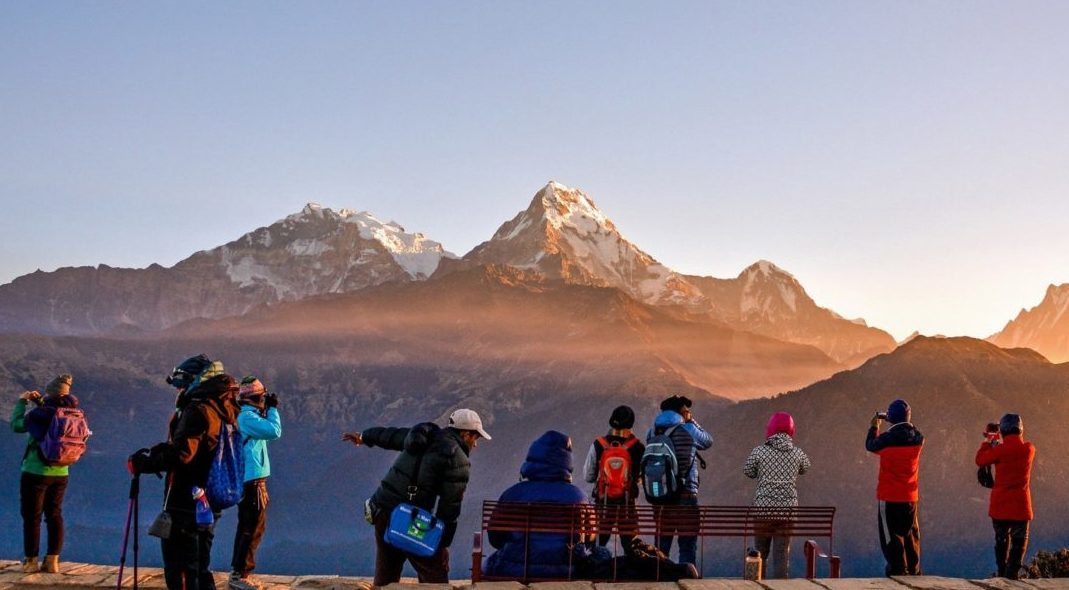
For Nepal’s tourism industry to thrive and expand, four key areas must be prioritized. The first and most fundamental of these is infrastructure. Efficient, quick, and accessible transportation is essential for a smooth travel experience. However, a common complaint among tourists is the rising cost of transportation in Nepal. To make tourism more appealing, it is critical to address the affordability and accessibility of transport options. The government and private sectors must work together to improve transportation services and reduce costs for both locals and tourists.
The second crucial aspect is hospitality. While hospitality services in Nepal are concentrated in urban areas like Kathmandu, many other regions still lack proper facilities. In several provinces, there are not even basic accommodations or hotels that meet international standards. To promote tourism, hospitality services should be expanded beyond Kathmandu and major cities to ensure that every region is equipped with proper lodging options. Furthermore, integrating digital payment systems like digital currencies would make services more accessible and attractive to international tourists, contributing to a seamless travel experience.
Thirdly, connectivity and regularity must be ensured across all travel routes. As Nepal’s tourism grows, it is vital to ensure that visitors can easily connect to various destinations without delays or inconvenience. Along with connectivity, promoting local cultures and traditions is also necessary. Many of Nepal’s ancient customs and dances are slowly fading away, and there is a need to revive and showcase these elements to enhance the cultural experience for tourists. Displaying authentic local cultures can significantly contribute to sustainable tourism growth in the long run.
Tourists have long been drawn to Nepal’s historical and cultural sites, with many coming to witness the nation’s ancient architecture and artifacts. However, as time passes, the question arises: What new historical or cultural attractions can Nepal offer to keep tourists coming? To address this, significant investment in newer areas is required. While historical sites are essential, diversifying and investing in new destinations can attract a broader range of tourists and make the experience even more enriching.
Investment in cultural heritage and national heritage sites is crucial for sustainable tourism development. In addition to cultural preservation, there is a need for further development within Nepal's national parks and reserves. Currently, there are over a dozen national parks in Nepal, but none have a botanical garden. Botanical gardens within national parks would not only enhance the natural beauty but also serve as a research hub, allowing tourists interested in environmental studies and biodiversity to explore more. By establishing these gardens, Nepal can appeal to tourists who are keen on research and exploration, adding depth to their visit and creating opportunities for longer stays.
Moreover, tourists who visit national parks often have research interests alongside their desire to witness the natural beauty of the area. Providing adequate facilities for research would extend the stay of many tourists, as it would offer them a more in-depth experience of Nepal’s flora and fauna. This, in turn, would increase spending and contribute to a more diversified tourism menu, attracting a wider range of visitors, from eco-tourists to academic researchers.
To ensure that Nepal’s tourism sector grows sustainably, the focus should not just be on increasing the number of visitors but also on enhancing their experiences. This requires investment in infrastructure, hospitality, and cultural preservation. By doing so, Nepal can continue to attract tourists, extend their stays, and foster a more diverse and sustainable tourism industry. An integrated approach to environmental and cultural infrastructure will help Nepal develop into a global tourism hub that offers a rich and varied experience to all its visitors.