कर्णाली डेभलपमेन्ट बैंकले बचतकर्ताको ४७ करोड १४ लाख फिर्ता गरेको जनायोKarnali Development Bank Says It Has Refunded Rs 471.4 Million to Depositors
काठमाडौँ — समस्याग्रस्त घोषित कर्णाली डेभलपमेन्ट बैंक लिमिटेडले हालसम्म बचतकर्ताको ४७ करोड १४ लाख रुपैयाँ निक्षेप फिर्ता गरेको जनाएको छ । नेपाल राष्ट्र बैंकद्वारा गठित बैंकको व्यवस्थापन समूहले विज्ञप्ति जारी गर्दै यो जानकारी दिएको हो । नेपालगञ्जमा केन्द्रीय कार्यालय रहेको बैंकमा कर्जा असुलीकै आधारमा निक्षेप भुक्तानी र संस्थाको सुदृढीकरण प्रक्रिया क्रमशः अघि बढिरहेको विज्ञप्तिमा उल्लेख छ ।
व्यवस्थापन समूहका अनुसार निक्षेप अपचलनमा संलग्न व्यक्तिहरूविरुद्ध कानुनी कारबाहीको प्रक्रिया अघि बढाइएको छ भने संस्थाबाट प्रवाहित ऋणको असुलीबाट प्राप्त रकमका आधारमा निक्षेपकर्तालाई भुक्तानी गर्ने काम जारी छ । व्यवस्थापन समूह सम्पूर्ण निक्षेपकर्ताको हकहित र निक्षेप सुरक्षाका लागि प्रतिबद्ध रहेको बताउँदै यस कार्यमा सहयोग गर्न समूहका संयोजक टिकाराम खतिवडाले सबै बचतकर्ता र सेयरधनीलाई आग्रह गरेका छन् ।
बैंक राष्ट्र बैंकको नियन्त्रणमा गएको करिब डेढ वर्ष भएको छ । राष्ट्र बैंक सञ्चालक समितिको २०८१ पुस १० गतेको निर्णयअनुसार कर्णाली डेभलपमेन्ट बैंकलाई समस्याग्रस्त संस्था घोषणा गरी व्यवस्थापन नियन्त्रणमा लिइएको थियो । त्यसयता बैंक तथा वित्तीय संस्था नियमन विभागका उपनिर्देशक खतिवडाको नेतृत्वमा रहेको व्यवस्थापन समूहले बैंकको सञ्चालन र व्यवस्थापन गर्दै आएको छ ।
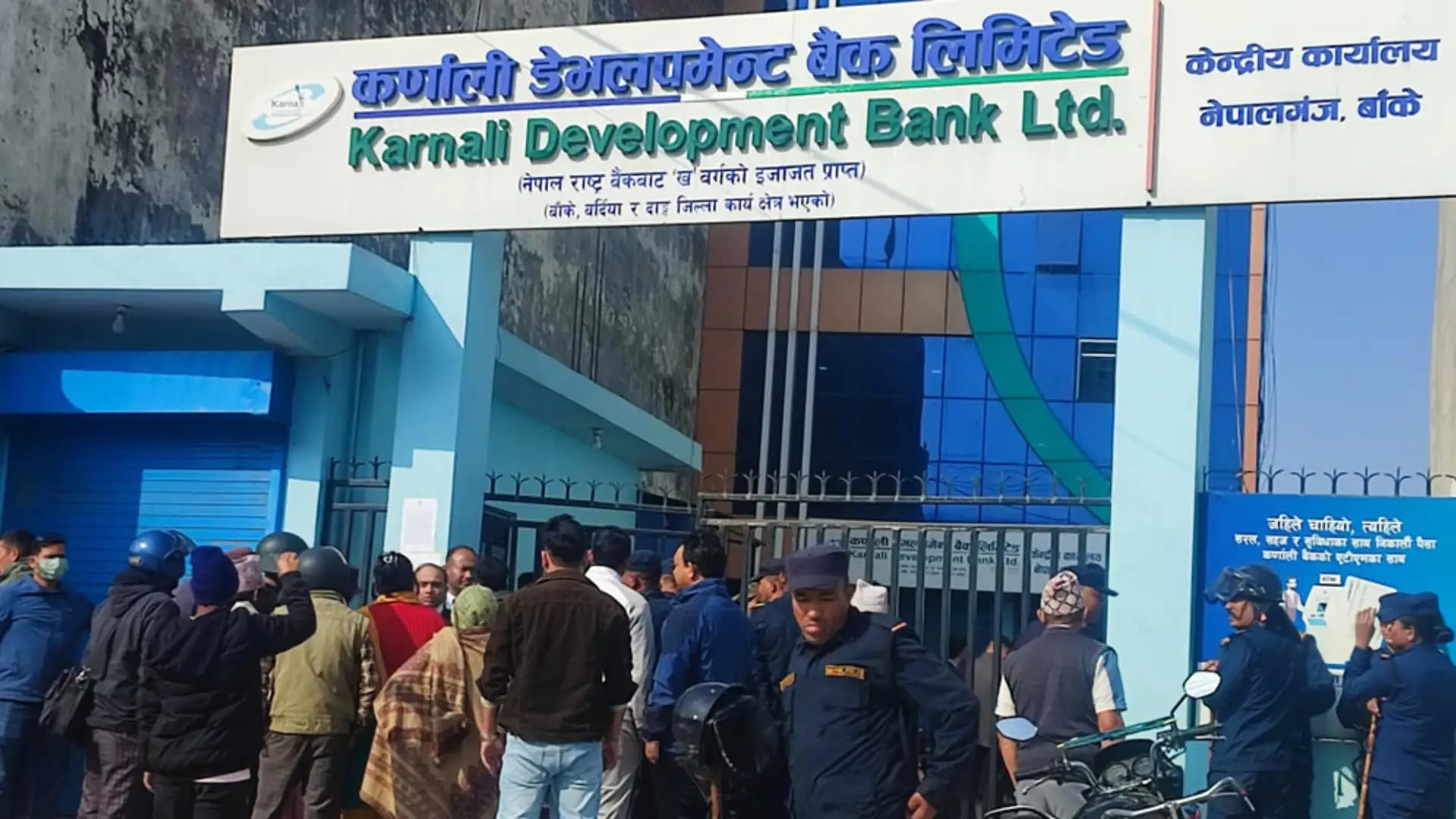
निक्षेप फिर्ताको प्रक्रिया चलिरहे पनि बचतकर्ताको असन्तुष्टि भने यथावत् छ । आफ्नो रकम फिर्ताको माग गर्दै बचतकर्ताले बेलाबेला बैंकको केन्द्रीय कार्यालयदेखि शाखासम्म घेराउ, नाराबाजी, तालाबन्दी र विरोध प्रदर्शन गर्दै आएका छन् ।
पछिल्ला दिनमा भने बैंक र व्यवस्थापन समूहलाई लक्षित गरी भइरहेका 'अवाञ्छित गतिविधि' प्रति समूहले गम्भीर ध्यानाकर्षण भएको जनाएको छ । जेठ २२ गते दाङको तुलसीपुर शाखामा पुगेका केही बचतकर्ताले कर्मचारीको सूची माग्ने, कर्मचारीलाई भौतिक कारबाही गर्ने र तालाबन्दी गर्नेलगायतका धम्की दिएको व्यवस्थापन समूहको भनाइ छ । यस्ता गतिविधिले बैंकको सुधार प्रक्रियामै थप अवरोध सिर्जना गर्न सक्ने भएकाले नकारात्मक गतिविधिमा संलग्न नहुन समूहले बचतकर्ता, सेयरधनी र अन्य सरोकारवालासँग अनुरोध गरेको छ ।
KATHMANDU — The problem-declared Karnali Development Bank Limited says it has so far refunded Rs 471.4 million (Rs 47 crore 14 lakh) in depositors' savings. The bank's management group, formed by Nepal Rastra Bank, conveyed the information through a press release. At the bank, which has its central office in Nepalgunj, deposit repayment based on loan recovery and the process of institutional strengthening are advancing gradually, the release states.
According to the management group, legal proceedings have been initiated against those involved in the misappropriation of deposits, while refunds to depositors continue on the basis of money recovered from loans the institution had extended. Stating that the group is committed to the rights and the deposit security of all depositors, its coordinator Tikaram Khatiwada has appealed to all depositors and shareholders to cooperate in the effort.
The bank has been under Nepal Rastra Bank's control for about a year and a half. By a decision of the central bank's board of directors on Poush 10, 2081, Karnali Development Bank was declared a problem institution and taken under management control. Since then, the management group led by Khatiwada — a deputy director at the Bank and Financial Institution Regulation Department — has been running and managing the bank.
Even as the refund process continues, depositors' dissatisfaction remains. Demanding the return of their money, depositors have periodically staged gheraos, sloganeering, lockouts and protests at the bank's offices, from the central office to the branches.
In recent days, however, the management group says it has taken serious note of "undesirable activities" aimed at the bank and the group itself. On Jestha 22, some depositors who reached the Tulsipur branch in Dang issued threats including demanding the list of employees, taking physical action against staff and locking up the premises, according to the management group. Warning that such activities could create further obstacles to the bank's reform process, the group has requested depositors, shareholders and other stakeholders not to engage in negative activities.