एउटा खाली कुर्सीमा अड्कियो ६९ अर्बको पुँजी-योजना : सेबोन अध्यक्ष नियुक्तिको ढिलाइले १०४ कम्पनी पर्खाइमाRs 69 Billion in Capital Plans Stuck on One Empty Chair: 104 Companies Wait as SEBON Appointment Drags
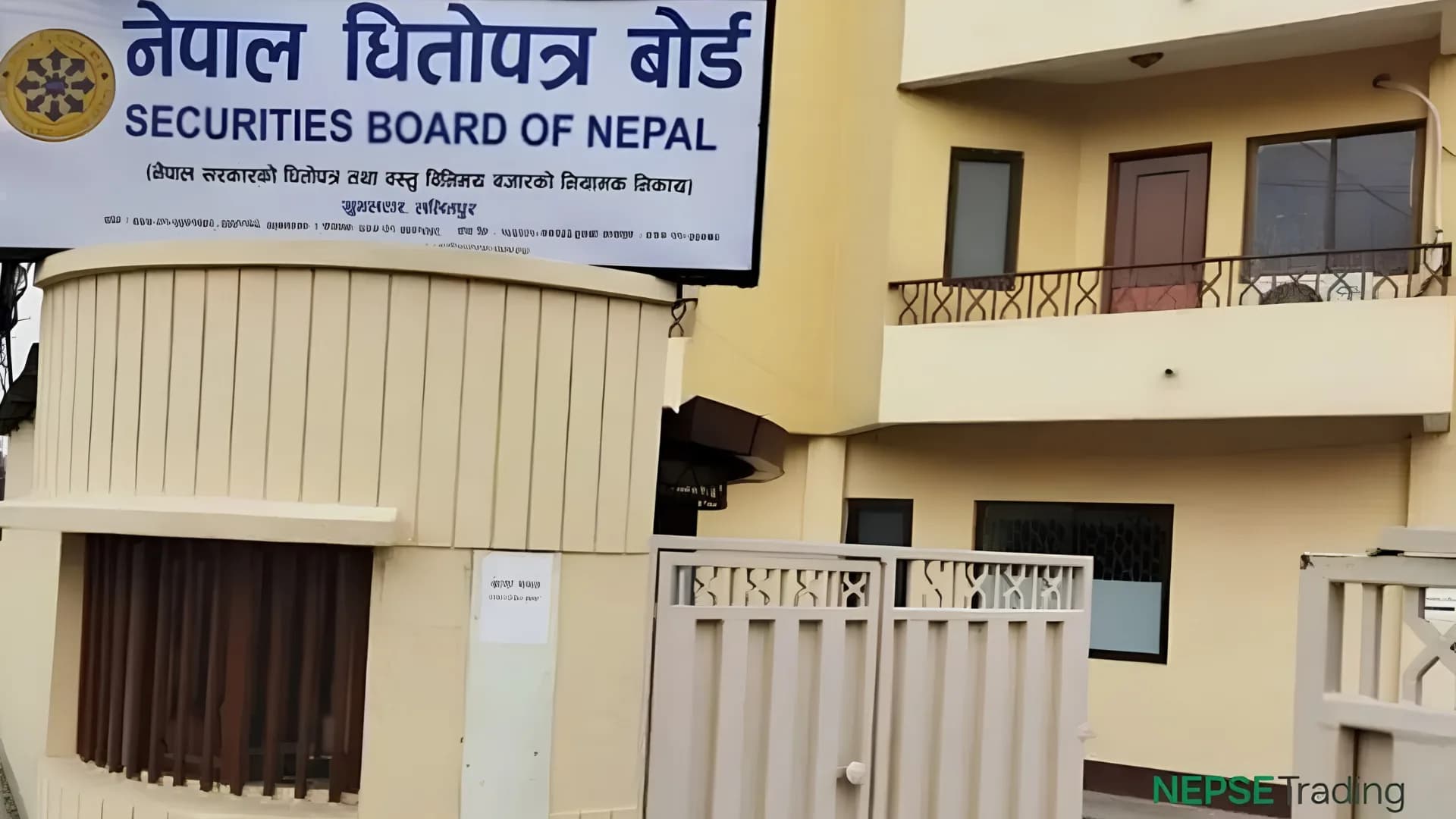
काठमाडौँ — नेपाल धितोपत्र बोर्ड (सेबोन) को अध्यक्षको कुर्सी रिक्त रहँदा त्यसको मूल्य अहिले १०४ कम्पनीले तिरिरहेका छन् । बोर्डको पछिल्लो तथ्यांकअनुसार विभिन्न क्षेत्रका ती कम्पनीले माग गरेका ६९ अर्ब ३० करोड ७७ लाख रुपैयाँ बराबरका ४७ करोड २८ लाख ९४ हजार कित्ताभन्दा बढी सेयरका आईपीओ प्रस्ताव स्वीकृतिकै पर्खाइमा छन् — किनभने स्वीकृति दिने अध्यक्ष नै छैनन् ।
पर्खाइ लम्बिँदा असर पुँजी-योजनामा देखिन थालिसकेको छ । लामो समय आईपीओ स्वीकृति नपाउँदा विशेषगरी जलविद्युत्, उत्पादनमूलक उद्योग र पर्यटन क्षेत्रका कम्पनीहरूले परियोजना विस्तार, ऋण व्यवस्थापन र वित्तीय पुनर्संरचनामा चुनौती भोग्न थालेका छन् । असर आईपीओमा मात्र सीमित छैन — पूँजी बजारसम्बन्धी नीतिगत निर्णयहरू पनि रोकिएका छन् । नियामक निकाय लामो समय नेतृत्वविहीन रहँदा लगानीकर्ता, कम्पनी र समग्र बजारमै नकारात्मक असरको जोखिम बढेको बजार सहभागीहरू बताउँछन् ।
कुर्सी खाली हुनुको कथा भने नियुक्ति-प्रक्रियाको अल्झनमा गाँसिएको छ । तत्कालीन अध्यक्ष सन्तोषनारायण श्रेष्ठको राजीनामापछि बोर्ड करिब एक महिनादेखि नेतृत्वविहीन छ । सिफारिस समितिले डा. नवराज अधिकारी, विनयदेव आचार्य, मुकुन्दकुमार क्षेत्री र डा. गोपालप्रसाद भट्टको अन्तिम सूची बनाई तीन जनाको नाम मन्त्रिपरिषद्सम्म पुर्याइसकेको छ, तर निर्णय भएको छैन । सर्टलिस्टिङ पारदर्शी नभएको भन्दै लगानीकर्ता र सरोकारवालाले प्रश्न उठाइरहेका छन् भने प्रधानमन्त्री कार्यालयले सिफारिस प्रक्रियाबारे थप अध्ययन गर्न आग्रह गरेको चर्चा बजारमा चलेकाले प्रक्रिया झनै लम्बिएको बताइन्छ ।
थन्किएको पाइपलाइनको बनोट आफैंमा रोचक छ । रकमका हिसाबले सबैभन्दा ठूलो हिस्सा उत्पादन तथा प्रशोधन क्षेत्रको छ — ३० कम्पनीले ३५ अर्ब ३५ करोड रुपैयाँभन्दा बढीको निवेदन दिएका छन्, जसमा जगदम्बा स्टिल, शौर्य सिमेन्ट, मारुती सिमेन्ट र रिद्धिसिद्धि सिमेन्टजस्ता ठूला औद्योगिक नाम छन् । संख्यामा भने जलविद्युत् अघि छ — ३४ कम्पनी, १७ अर्ब ५० करोडभन्दा बढीका १७ करोड १४ लाख कित्ता । बाँकीमा होटल तथा पर्यटनका १८ कम्पनीका ६ अर्ब ४५ करोड, अन्य क्षेत्रका १४ कम्पनीका ५ अर्ब ९० करोड, लगानी समूहका पाँच कम्पनीका ३ अर्ब ४१ करोड र माइक्रो इन्स्योरेन्सका तीन कम्पनीका ६७ करोड ५० लाख रुपैयाँ बराबरका प्रस्ताव छन् ।
पाइपलाइनभित्रै अर्को प्रवृत्तिले पनि ध्यान तानेको छ — प्रिमियम मूल्यको मोह । एक दर्जनभन्दा बढी कम्पनीले अंकित मूल्यभन्दा माथिको दरमा सेयर बेच्ने प्रस्ताव गरेका छन्, जसमध्ये आधा दर्जन उत्पादन तथा प्रशोधन क्षेत्रकै छन् । तर केही प्रवर्द्धकले आईपीओलाई 'एक्जिट प्लान' बनाउन खोजेको भन्दै बजारमा चिन्ता बढ्दो छ । कम्पनीको वित्तीय अवस्था, नाफा क्षमता र दीर्घकालीन सम्भावनाका आधारमा मात्रै प्रिमियम आईपीओ स्वीकृत गरिनुपर्ने विज्ञहरूको जोड छ ।
नियुक्ति टुंगिएर स्वीकृतिको ढोका खुल्दाको दृश्यबारे पनि विश्लेषकहरू सतर्क छन् । एकैपटक ठूलो परिमाणका आईपीओ बजारमा आए दोस्रो बजारबाट तरलता तानिने जोखिम रहन्छ — त्यसमाथि अहिले दोस्रो बजारको कारोबार कमजोर र लगानीकर्ताको मनोबल अस्थिर छ । त्यसैले आईपीओ बजारको भविष्य समग्र बजार अवस्थामै निर्भर रहने उनीहरूको भनाइ छ ।
ब्याजदर घट्दो क्रममा रहेकाले दीर्घकालीन लगानीकर्ताका लागि आईपीओ आकर्षक बन्न सक्छ, तर परियोजनामा आधारित — विशेषगरी जलविद्युत् र उत्पादन क्षेत्रका — कम्पनीमा लगानी गर्दा जोखिम मूल्यांकन अनिवार्य रहेको विज्ञहरूको सुझाव छ । सेबोनले स्वीकृति प्रक्रिया छरितो बनाएर गुणस्तरीय कम्पनीलाई प्राथमिकता दिन सके पूँजी बजारप्रतिको विश्वास थप बलियो हुने उनीहरूको निष्कर्ष छ ।
KATHMANDU — The chairman's chair at the Securities Board of Nepal (SEBON) sits empty, and the price is currently being paid by 104 companies. According to the board's latest data, IPO proposals from these firms — seeking to issue more than 472.89 million shares worth Rs 69.31 billion — are languishing in the approval queue for a simple reason: there is no chairman to approve them.
The longer the wait stretches, the more visibly it bites into capital plans. Deprived of IPO clearance for an extended period, companies in hydropower, manufacturing and tourism in particular have begun struggling with project expansion, debt management and financial restructuring. Nor is the damage confined to public offerings — policy decisions concerning the capital market have stalled as well. Market participants warn that a regulator left leaderless for long raises the risk of harm to investors, companies and the market as a whole.
The story of the empty chair is tangled up in the appointment process itself. The board has been without leadership for about a month since then-chairman Santosh Narayan Shrestha resigned. A recommendation committee drew up a final shortlist of Dr. Nawaraj Adhikari, Binaya Dev Acharya, Mukunda Kumar Kshetri and Dr. Gopal Prasad Bhatta, and forwarded three of the names to the cabinet — where the matter rests, undecided. Investors and stakeholders have been questioning the transparency of the shortlisting, and with talk in the market that the Prime Minister's Office has asked for further study of the recommendation process, the appointment is said to have been pushed back further still.
The composition of the stalled pipeline is striking in itself. By value, the largest share belongs to manufacturing and processing: 30 companies have applied to raise upwards of Rs 35.35 billion, a list featuring big industrial names such as Jagdamba Steel, Shaurya Cement, Maruti Cement and Riddhi Siddhi Cement. By headcount, hydropower leads with 34 companies seeking to issue 171.4 million shares worth more than Rs 17.5 billion. The rest of the queue comprises 18 hotel and tourism companies with proposals worth Rs 6.45 billion, 14 companies from other sectors with Rs 5.9 billion, five investment-group companies with Rs 3.41 billion and three micro-insurance companies with Rs 675 million.
Within the pipeline, another trend has been drawing attention — the appetite for premium pricing. More than a dozen companies have proposed selling shares above face value, half a dozen of them from manufacturing and processing alone. But concern is mounting in the market that some promoters are looking to turn the IPO into an exit plan. Experts insist that premium offerings be approved strictly on the basis of a company's financial health, profitability and long-term prospects.
Analysts are also looking ahead to the day the approval gates reopen — with caution. A flood of IPOs hitting the market at once risks siphoning liquidity out of the secondary market, which is already trading on weak turnover and unsettled investor sentiment. The fate of the primary market, they say, will therefore ride on the condition of the broader market.
With interest rates trending downward, IPOs could turn attractive for long-term investors. Even so, experts advise rigorous risk assessment before putting money into project-based companies, especially in hydropower and manufacturing. Their bottom line: if SEBON can make its approval process nimble and give quality companies priority, confidence in the capital market will only deepen.