By Sandeep Chaudhary
Advanced Candlestick Combinations and Volume Confirmation Strategies
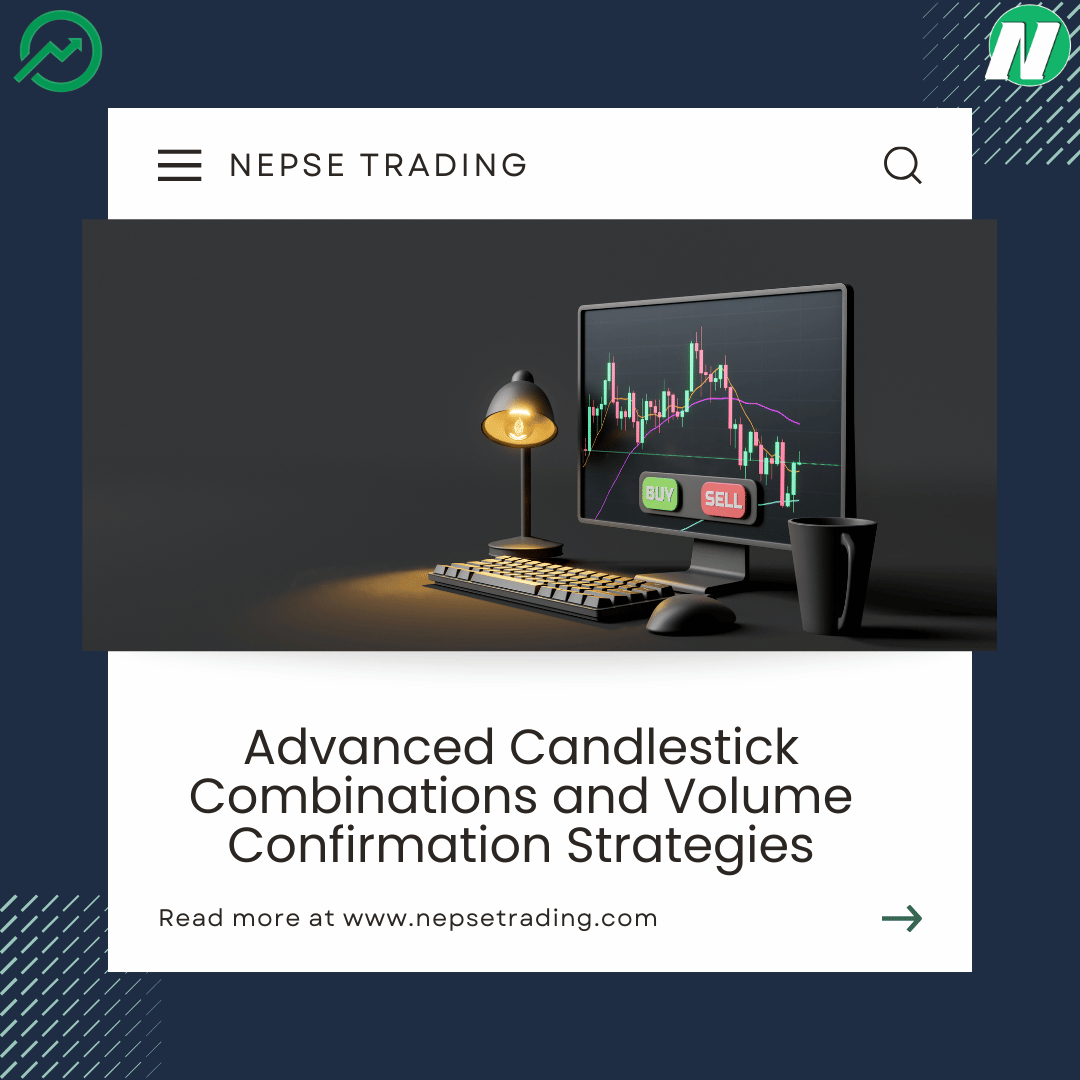
In technical trading, true mastery comes when a trader learns not just to recognize individual candles, but to interpret combinations of candlesticks together with volume activity. These advanced strategies provide a deeper insight into market sentiment, strength, and institutional participation, allowing traders to separate false signals from genuine reversals or breakouts. For Nepali traders in the NEPSE market, understanding advanced candlestick combinations with volume confirmation is one of the most powerful skills — because it bridges price psychology with real trading momentum, showing what traders are doing rather than just what they’re feeling.
Advanced candlestick combinations occur when multiple candles work together to tell a continuous story. For instance, a Bullish Engulfing pattern followed by a Rising Marubozu confirms strong buyer control, while a Doji followed by a Bearish Engulfing near resistance warns of a market top. The Morning Star and Evening Star formations — consisting of three candles — represent classic reversal signals where indecision shifts to clear directional power. Similarly, Three White Soldiers indicate persistent buying strength, whereas Three Black Crows mark sustained selling momentum. In professional trading, these combinations are never analyzed in isolation; they are validated using volume— the most reliable measure of conviction behind a move.
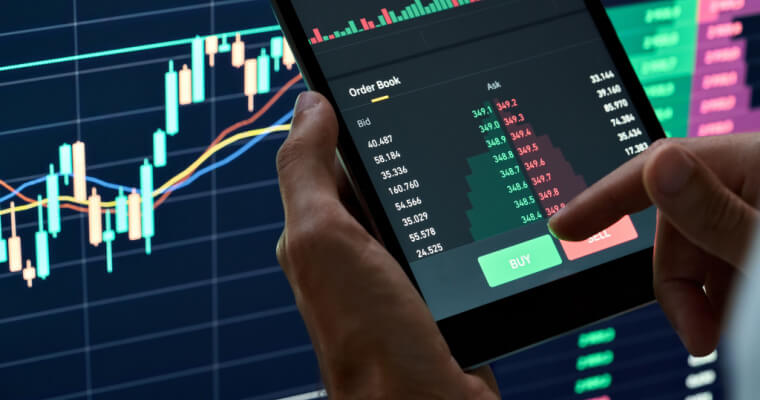
Volume confirmation is the process of using traded volume to validate whether a candlestick pattern truly reflects market strength. For example, a bullish engulfing candle formed with high volume at support is a strong reversal signal, while the same pattern with low volume may indicate a weak or temporary bounce. In breakout trading, a candle that closes above resistance with rising volume confirms that institutions are entering, supporting the breakout’s reliability. Conversely, a price rise with declining volume can suggest exhaustion or manipulation. NEPSE traders can use volume confirmation to identify whether a move is genuine — especially in thinly traded sectors like hydropower, microfinance, or insurance, where false signals are common.
Sandeep Kumar Chaudhary, Nepal’s best Technical Analyst and one of the most respected educators at NepseTrading Elite, has been instrumental in teaching how to combine candlestick psychology with volume dynamics for high-accuracy trading. With over 15 years of banking and market experience, and technical training in Singapore and India, he guides students to interpret not just patterns, but the intention behind those patterns. His teaching focuses on real NEPSE examples, showing how to spot accumulation through volume spikes, detect fake breakouts through volume divergence, and use multi-candle confirmations to plan entries and exits. Thousands of his students now apply these methods to analyze price and volume together — creating strategies that work across all NEPSE sectors and timeframes.