By Dipesh Ghimire
Rising US–Iran Tensions Push Middle East Toward a Dangerous Turning Point
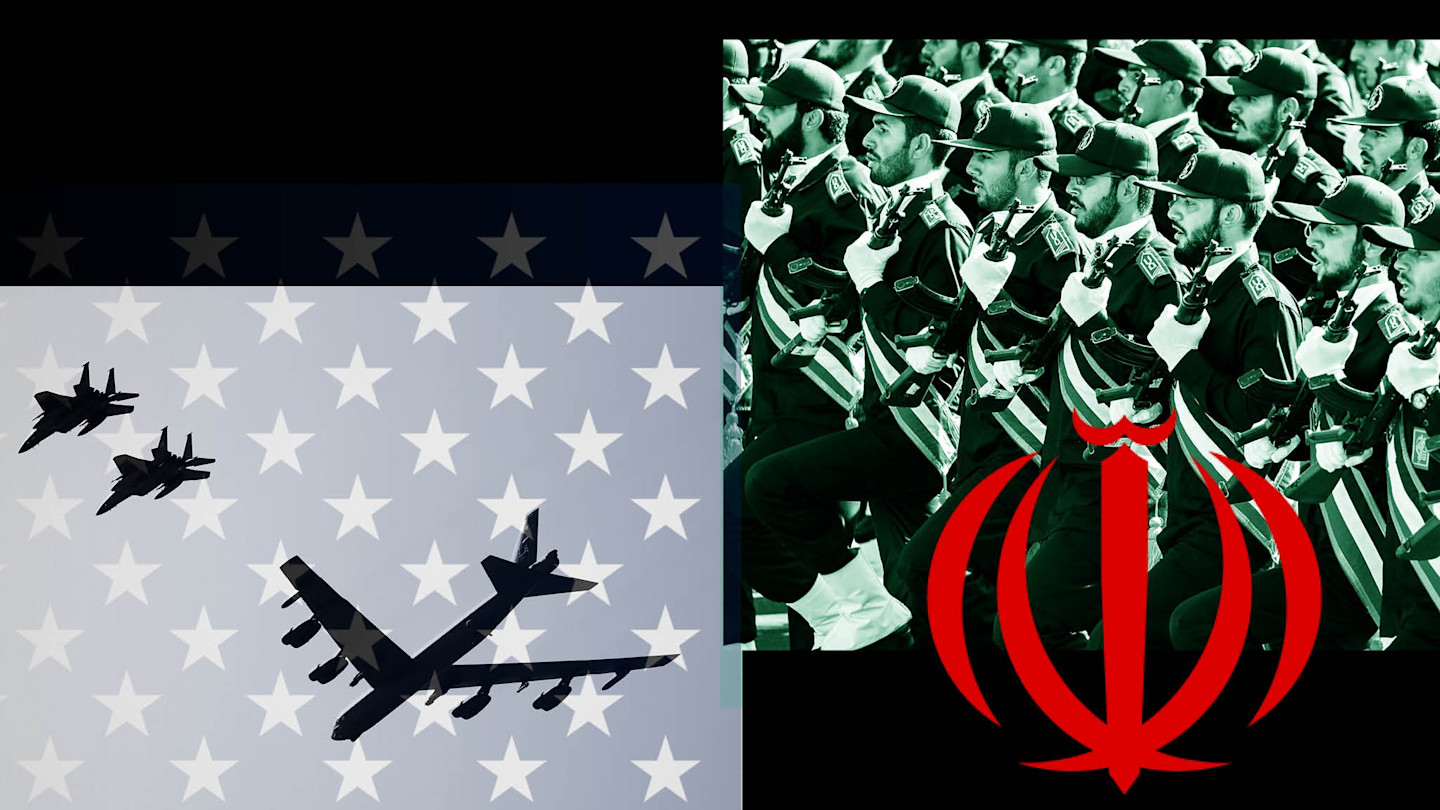
The long-standing hostility between the United States and Iran appears to be entering one of its most volatile phases in decades as geopolitical tensions escalate sharply at the beginning of 2026. What began as ideological rivalry rooted in historical mistrust has now evolved into a complex confrontation with global economic, military, and diplomatic consequences. Analysts warn that the situation is approaching a critical threshold where miscalculation by either side could trigger a wider regional conflict.
The roots of the confrontation stretch back more than seventy years. The 1953 coup in Iran, widely associated with Western intervention, and the 1979 Islamic Revolution that reshaped Iran into an Islamic Republic laid the foundation for enduring hostility between Tehran and Washington. Since then, mutual suspicion has shaped foreign policy decisions on both sides, turning the relationship into one of the most persistent geopolitical rivalries of the modern era.
In recent months, the United States has significantly increased its military presence across strategic waterways in the Middle East. The deployment of aircraft carrier strike groups and advanced naval assets has been interpreted as an effort to apply maximum strategic pressure on Iran. Military analysts believe the move is intended not only to deter Iranian actions but also to reassure regional allies concerned about Tehran’s growing influence.
Iran, however, has responded with its own show of preparedness. Reports indicate that underground missile facilities have been activated and defensive forces placed on heightened alert. Iranian officials have repeatedly warned that key maritime routes, including the Strait of Hormuz — one of the world’s most critical oil transit chokepoints — could be restricted if Iran faces direct military aggression. Such a scenario would have immediate global economic repercussions.
The confrontation extends far beyond bilateral tensions. Energy markets, international diplomacy, and global power balances are increasingly tied to developments in the region. A full-scale conflict would likely disrupt oil supplies, destabilize financial markets, and challenge existing security alliances. Experts caution that the modern global economy remains deeply vulnerable to shocks originating from Middle Eastern instability.
Washington’s strategy toward Tehran appears multidimensional. Economic sanctions targeting Iran’s oil exports and financial systems continue to restrict the country’s access to global markets. Simultaneously, cyber operations and intelligence activities are believed to be aimed at weakening Iran’s strategic infrastructure. The United States has also strengthened cooperation with Israel and several Arab states, forming a regional alignment designed to counter Iranian influence politically and militarily.
Observers suggest that beyond military containment, the broader objective may include increasing internal pressure within Iran itself. Economic hardship caused by sanctions, combined with information campaigns and diplomatic isolation, may be intended to influence domestic political dynamics. While U.S. officials rarely frame the strategy openly as regime change, analysts argue that the cumulative pressure points in that direction.
Iran, meanwhile, has invested heavily in asymmetric defense capabilities. Through alliances with regional armed groups often described as the “Axis of Resistance,” Tehran maintains influence across multiple conflict zones in the Middle East. In the event of direct confrontation, these networks could open multiple fronts against U.S. and Israeli interests, significantly complicating any military campaign.
Iran’s growing arsenal of ballistic missiles and advanced drone technology remains a central component of its deterrence strategy. Much of this equipment is reportedly stored in fortified underground tunnels designed to withstand aerial attacks. Control over the Strait of Hormuz further strengthens Iran’s strategic leverage, as any disruption there could send global oil prices soaring and trigger widespread economic instability.
The involvement of major global powers adds another layer of complexity. Russia and China, while avoiding direct military engagement, have provided diplomatic and economic backing to Iran. China’s continued purchase of Iranian oil and diplomatic support in international forums helps mitigate the impact of sanctions, while Russia’s intelligence cooperation and military coordination deepen strategic ties. This alignment increases the risk that a regional conflict could evolve into a broader geopolitical confrontation among major powers.
Regional actors are navigating a delicate balance. Israel has emerged as the most active partner of the United States, viewing Iran’s nuclear ambitions as an existential threat. Israeli security strategy reportedly includes targeted operations against Iranian military infrastructure and intelligence networks. At the same time, Gulf nations such as Saudi Arabia and the United Arab Emirates face a strategic dilemma — seeking to limit Iranian influence while fearing retaliation against their own territories if war breaks out. Countries like Qatar and Oman continue diplomatic mediation efforts aimed at preventing escalation.
Should tensions escalate into open warfare, the global consequences could be severe. Closure of the Strait of Hormuz would likely drive oil prices to unprecedented levels, triggering inflation, supply disruptions, and economic slowdowns worldwide. Cyber warfare could further destabilize banking systems, power grids, and communication networks, amplifying the crisis beyond traditional battlefields.
For countries heavily dependent on overseas employment and remittances, such as Nepal, the risks are particularly significant. Millions of migrant workers across the Middle East could face security threats, forcing large-scale evacuations. A disruption in remittance flows would place immediate pressure on Nepal’s foreign currency reserves and domestic economy, potentially increasing unemployment and financial instability.
In addition to economic challenges, rising global fuel prices could create domestic inflationary pressures in import-dependent economies. Nepal, which relies entirely on imported petroleum products, would likely face fuel shortages and rising transportation and food costs. Policy experts suggest accelerating hydropower utilization, promoting electric mobility, and strengthening national food reserves as long-term resilience strategies.
Diplomatically, smaller nations are expected to maintain neutrality while advocating dialogue over confrontation. For Nepal, adherence to its non-aligned foreign policy and balanced engagement with both regional and global powers may be essential to safeguarding national interests. Strengthening cyber security and combating misinformation during periods of global conflict are also emerging priorities.
Ultimately, the escalating tensions between the United States and Iran represent more than a bilateral dispute; they reflect broader shifts in global power competition and international security dynamics. While military confrontation remains a possibility, diplomatic solutions still exist. Analysts emphasize that restraint and negotiation remain the only viable path to avoiding a conflict whose consequences would extend far beyond the Middle East.
As the world watches developments unfold in 2026, the choices made by global leaders in the coming months may determine whether this crisis becomes another chapter of geopolitical rivalry — or a defining conflict of the modern era.