By Dipesh Ghimire
Call for Official Tourist Information App to Modernize Nepal’s Travel Experience
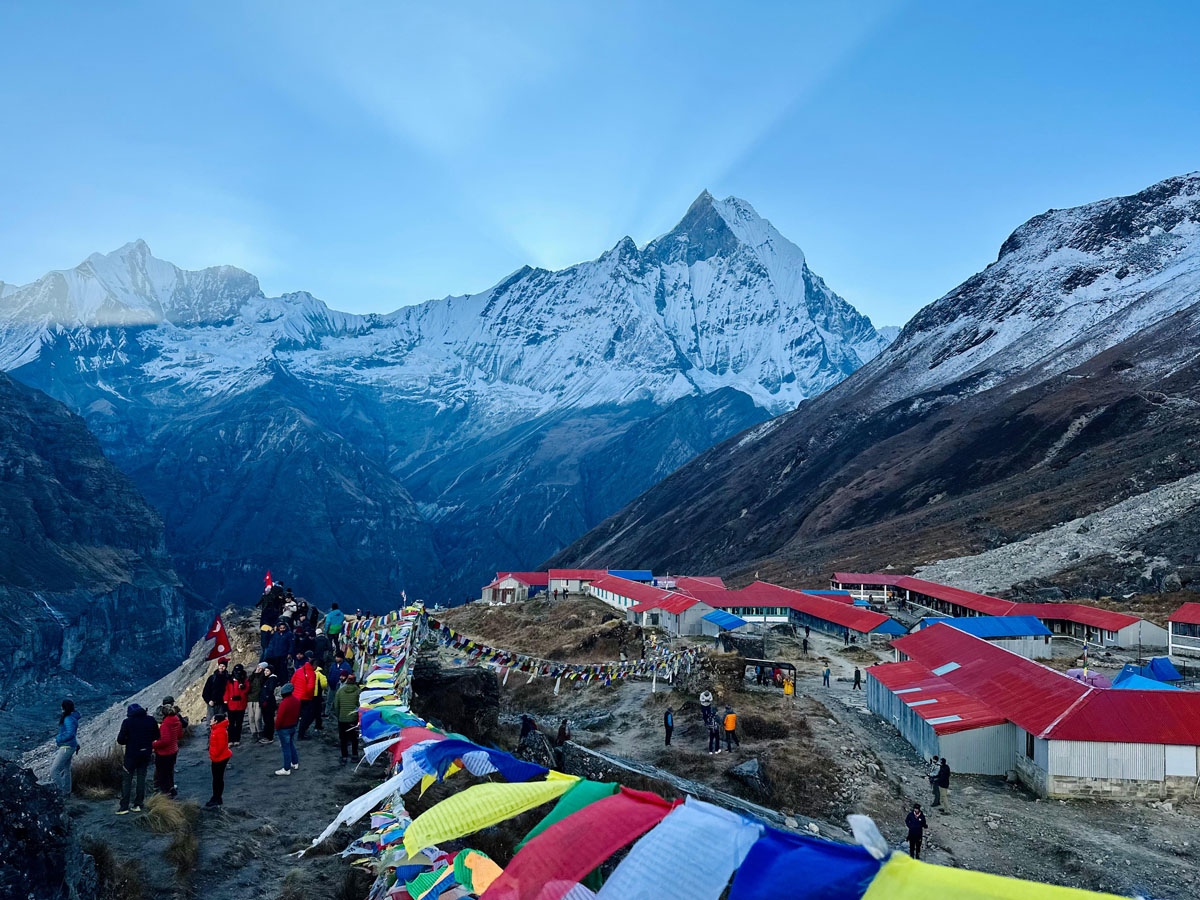
As global tourism increasingly shifts toward digital ecosystems, Nepal’s tourism sector is being urged to accelerate its technological transformation. Industry stakeholders argue that while technology has simplified travel planning worldwide, visitors arriving in Nepal still lack access to a unified, reliable digital information platform. This gap, experts say, is affecting both tourist convenience and the country’s international image.
Currently, tourists must rely on scattered sources—private websites, third-party booking platforms, travel agents, or informal advice—to gather information about destinations, transport, accommodation, and permits. The absence of an official, integrated tourist information app has created confusion and, in some cases, exploitation. Reports of overcharging, misinformation, and coordination failures at the airport and other entry points highlight systemic weaknesses in digital management.
Tourism analysts point out that the problem begins the moment a traveler lands at the airport. Without a centralized digital guide, visitors struggle to verify transport fares, locate certified service providers, or access up-to-date information about destinations and regulations. This creates vulnerability, particularly for first-time visitors unfamiliar with local systems.
Experts emphasize that the solution lies in launching an official, government-backed Tourist Information App developed in collaboration with the private sector. Such an app could serve as a one-stop digital platform, offering verified information on accommodations, trekking routes, mountaineering permits, heritage sites, national parks, transportation schedules, and emergency contacts. Integration with digital payment systems would further streamline booking processes.
The economic implications are significant. A unified tourism app would not only simplify travel planning but also function as an automated marketing tool. By showcasing destination profiles, cultural attractions, adventure activities, and regional experiences in a single interface, Nepal could promote lesser-known destinations alongside established hotspots. This would help decentralize tourism benefits and encourage longer stays.
Additionally, providing tourists with the ability to book services directly from their home country through an official platform would improve transparency and build trust. Verified pricing, standardized service listings, and clear regulatory information would reduce the risk of fraud and improve visitor satisfaction. In the long term, positive digital experiences can strengthen Nepal’s global tourism reputation.
From a strategic perspective, digital integration aligns with broader global trends. Competing destinations across Asia and Europe already operate centralized tourism platforms that combine information, booking, maps, cultural guides, and emergency assistance. Without similar modernization, Nepal risks falling behind in traveler convenience and digital competitiveness.
Beyond convenience, the app could generate valuable data. By tracking search trends, booking behavior, and visitor preferences (with proper privacy safeguards), authorities could gain insights into tourist demographics and spending patterns. This data-driven approach would enable better planning, targeted marketing, and resource allocation.
Industry leaders stress that the initiative requires collaboration between government tourism authorities, IT developers, airlines, hotels, trekking agencies, and payment gateways. A fragmented rollout would fail to deliver the intended impact. Instead, a well-regulated, officially endorsed platform would ensure reliability and long-term sustainability.
The broader interpretation is clear: tourism in the modern era extends beyond natural beauty and cultural richness—it depends equally on digital readiness. Nepal possesses extraordinary attractions, from Himalayan peaks to cultural heritage sites. However, without integrated technological infrastructure, the visitor experience remains incomplete.
Launching an official Tourist Information App would mark a shift toward smart tourism governance. By simplifying access to information, ensuring pricing transparency, enabling direct booking, and strengthening digital marketing, Nepal could transform its tourism management from reactive to proactive. In an increasingly competitive global market, digital accessibility may prove just as critical as natural assets in shaping the future of Nepal’s tourism industry.