By Dipesh Ghimire
Nepal’s Tourism Sector Needs Structural Reforms to Maximize Mountain Advantage
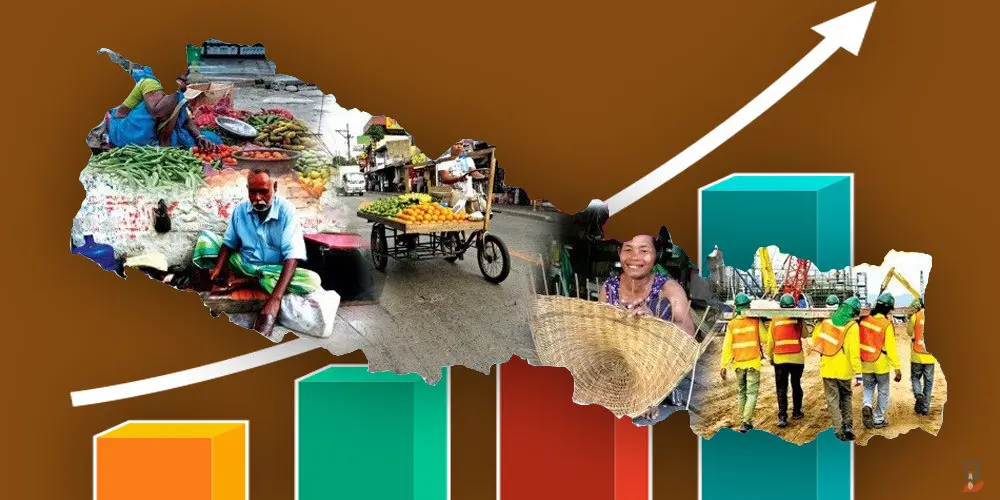
Tourism has long been described as one of the main pillars of Nepal’s economy, yet the sector continues to operate below its full potential. The country is uniquely positioned on the global tourism map, hosting eight of the world’s fourteen mountains above 8,000 meters, including Mount Everest. This extraordinary geographical advantage has given Nepal international recognition and a steady inflow of high-spending adventure tourists. However, despite this natural strength, structural weaknesses within the tourism system remain evident.
Each year, thousands of foreign climbers and adventure seekers arrive in Nepal with the dream of conquering Himalayan peaks. More than 300 climbers attempt Mount Everest annually, while several thousand others pursue different mountains across the country. Nepal has opened more than 300 peaks for climbing, and the government continues to consider opening additional mountains based on demand. The state earns nearly one billion rupees annually in royalties from mountaineering permits alone. This indicates that mountain tourism remains a strong source of foreign currency earnings.
In recent years, there has been a noticeable shift in preference among adventure tourists. Many climbers are now showing greater interest in scaling virgin peaks—mountains that have not yet been climbed. Such expeditions require route fixing and technical preparation, offering climbers a more exclusive and challenging experience. This trend presents an opportunity for Nepal to position itself as a premium adventure destination. However, it also demands better safety standards, environmental management, and professional expedition coordination.
Despite healthy arrival numbers, a deeper concern lies in the relatively short average stay of tourists. According to recent data, visitors remain in Nepal for an average of 13 days. Most travelers arrive with a single objective—whether mountaineering, trekking, or religious pilgrimage—and depart immediately after fulfilling that purpose. This single-focus travel pattern limits the overall economic impact that tourism could generate.
If Nepal aims to maximize revenue without placing additional pressure on arrival numbers, extending tourists’ stay duration becomes essential. A climber who arrives for a Himalayan expedition could also be encouraged to explore Pokhara, participate in rafting activities, or visit cultural and religious sites such as Pashupatinath and Lumbini. Similarly, pilgrims and heritage tourists could be introduced to nature-based or adventure activities. However, such integration remains weak due to the absence of coordinated tourism packaging.
Another critical gap is the lack of data-driven planning. Nepal still lacks comprehensive segmentation data on tourist behavior, spending patterns, and secondary interests. Without systematic research and collaboration between government agencies and private operators, tourism policy risks remaining reactive rather than strategic. A structured survey mechanism could help identify opportunities to create bundled travel experiences tailored to different visitor profiles.
Infrastructure and entertainment options also require expansion. Outside major hubs like Kathmandu and Pokhara, post-activity engagement remains limited. Developing cultural programs, wellness tourism, eco-parks, adventure facilities, and conference tourism could significantly enhance visitor experience and encourage longer stays. Diversifying tourism offerings would also reduce excessive dependence on mountain-based revenue, which remains vulnerable to environmental challenges and seasonal fluctuations.
Nepal’s tourism strength is unquestionable, but strength alone does not guarantee sustainability. The Himalayas may continue to attract visitors, but converting arrivals into long-term economic value demands structural reform, strategic planning, and coordinated execution. The future of Nepal’s tourism sector lies not merely in promoting its peaks, but in building a diversified experience economy that encourages visitors to stay longer, spend more, and return again.