By Dipesh Ghimire
Nepal Must Reduce Production Costs to Compete in the International Market
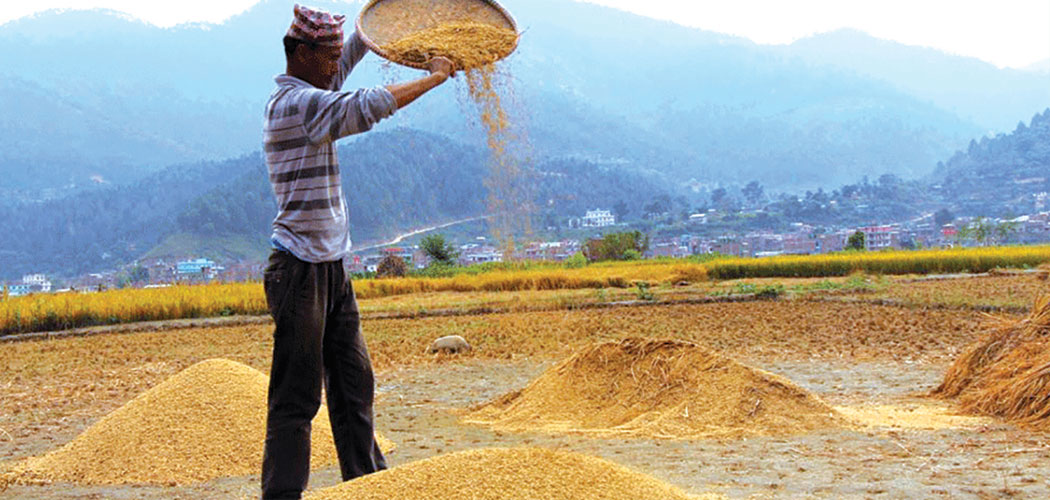
Nepal’s industrial journey formally began in B.S. 1992 with the establishment of the Industrial Council, followed by the founding of Biratnagar Jute Mill in B.S. 1993. The introduction of the Company Act in the same year paved the way for the establishment of rice, cotton, and sugar mills. Historical records show that nearly two dozen industries were set up during the Rana regime, marking the early foundation of institutional industrial development in the country.
To mobilize capital for industrial growth, the Nepal Industrial Development Corporation (NIDC) was established in 2016 B.S., alongside the promulgation of the Industrial Enterprises Act. The Morang–Sunsari corridor soon emerged as a key industrial belt, and in the same year, the Balaju Industrial Estate was established across 670 hectares. Over time, industrial estates were gradually expanded to other parts of the country. A significant turning point came in 2043 B.S. when Nepal and India signed a bilateral trade and transit treaty, encouraging the growth of India-targeted industries within Nepal.
The political transformation of 2046 B.S. marked another critical milestone. Through the Eighth Five-Year Plan, Nepal embraced economic liberalization and adopted an open market policy. The Industrial Enterprises Act 2049, the Foreign Investment and Technology Transfer Act 2049, and the Commerce Policy 2049 collectively accelerated private sector participation. Liberalization allowed investors to operate beyond previously restricted sectors, creating a positive investment climate. As a result, banking, insurance, aviation, education, and healthcare witnessed rapid private sector expansion. By 2049 B.S., the number of large industries exceeded 4,000, while small, cottage, and medium enterprises crossed 5,500 registrations.
However, despite initial momentum, Nepal’s industrial progress slowed significantly due to prolonged political instability and institutional weaknesses. Soon after economic liberalization, the armed conflict that began in 2052 B.S. disrupted industrial confidence for nearly two decades. During this period, it became more profitable and less risky to import goods for resale rather than establish domestic manufacturing units. Consequently, capital that could have been invested in productive industries shifted toward trade and commerce.
The impact of this structural shift is evident in national economic indicators. The industrial sector’s contribution to Gross Domestic Product (GDP), which once stood at 22.23 percent, has gradually declined to approximately 13 percent. This reduction reflects deeper systemic challenges rather than a lack of entrepreneurial capacity. Industrial stagnation has limited job creation, suppressed export growth, and increased dependence on imports.
Several structural constraints continue to hinder manufacturing expansion. Chronic energy shortages in the past significantly increased production costs. Weak labor relations and frequent disputes created operational uncertainty. Infrastructure gaps—particularly in transportation and logistics—raised input and distribution expenses. Political instability and frequent government changes further undermined policy consistency. Additionally, the persistence of syndicates and cartel practices distorted market competition. Regulatory inefficiencies, outdated legal frameworks, bureaucratic delays, and inconsistent administrative behavior have collectively discouraged long-term industrial investment.
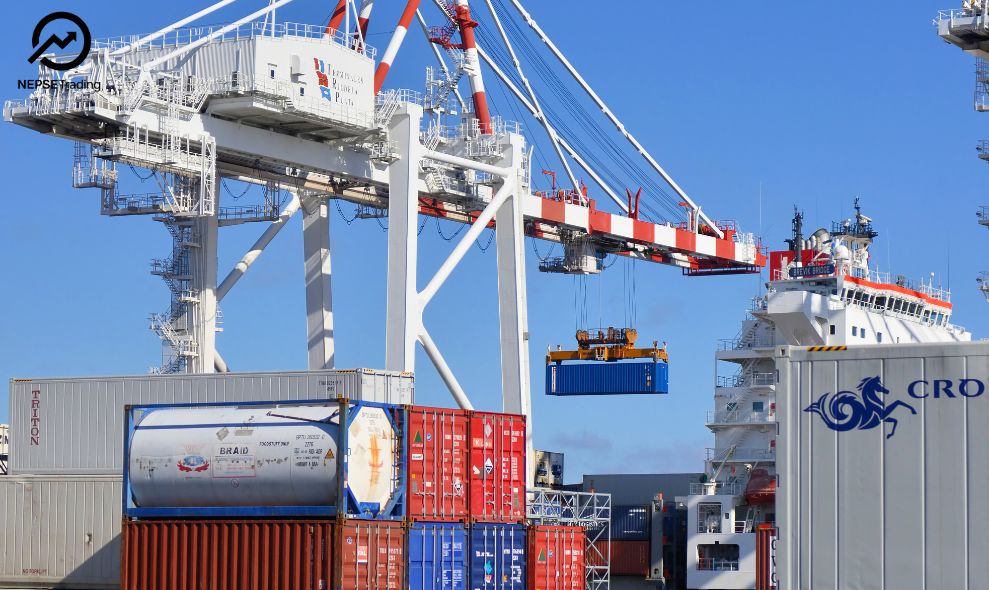
The broader interpretation suggests that Nepal’s challenge is not merely industrial inactivity but competitiveness. In an increasingly globalized market, domestic industries must compete with lower-cost producers from neighboring countries. High production costs—driven by energy, logistics, compliance burdens, and inefficiencies—reduce the price competitiveness of Nepali goods in international markets. Without addressing these cost structures, export expansion remains limited.
Reducing production costs requires coordinated reforms. Stable energy supply, improved transport infrastructure, streamlined regulations, digitalized administrative processes, and predictable tax policies are essential. Furthermore, strengthening industrial corridors and promoting value-added manufacturing could enhance productivity. Encouraging investment in technology transfer and innovation would also improve efficiency.
Nepal’s industrial history demonstrates that policy reform can trigger rapid growth when conditions are favorable. The liberalization era showed how investment confidence can expand economic activity. However, sustaining industrial momentum demands institutional stability and structural competitiveness.
As Nepal seeks to strengthen its economic foundation, revitalizing the manufacturing sector remains critical. Lowering production costs is not simply an industrial policy objective—it is a prerequisite for job creation, export diversification, and long-term economic resilience. Without strategic cost reform and governance modernization, Nepal risks remaining an import-dependent economy rather than emerging as a competitive industrial player in the international market.