By Dipesh Ghimire
Middle East Conflict Raises Concerns Over India’s Energy Security and Regional Economic Stability
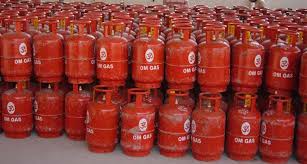
The intensifying conflict in the Middle East has begun to raise concerns about the stability of global energy supply, with early indications suggesting that India could face disruptions in its natural gas imports. As tensions in the region escalate, uncertainties surrounding key maritime routes and production facilities are drawing attention from governments and energy companies across South Asia.
India’s largest liquefied natural gas (LNG) importer, Petronet LNG, has warned that the ongoing geopolitical tensions may affect its operations. According to a notice issued to the stock exchange, vessels carrying LNG may encounter difficulties reaching QatarEnergy’s major loading port at Ras Laffan via the Strait of Hormuz. This narrow waterway is one of the most critical energy transit routes in the world, through which a significant portion of global oil and gas shipments passes. Any disruption along this corridor could therefore have wide-ranging implications for international energy markets.
The situation has become more complex after QatarEnergy reportedly suspended LNG production earlier this week. Qatar is one of the world’s leading LNG exporters and serves as a major supplier for India’s growing energy demand. Analysts warn that a prolonged halt in production or continued disruption in shipping routes could delay cargo deliveries and tighten gas availability in the Indian market.
Amid the rising uncertainty, Petronet LNG has issued a “force majeure” notice concerning three of its LNG tankers—Disha, Rahi, and Aseem. The company has also informed its domestic clients, including GAIL (India), Indian Oil Corporation, and Bharat Petroleum Corporation, about the potential for supply disruptions. Such notices are generally invoked when unforeseen circumstances, such as geopolitical conflicts, make it difficult for companies to fulfill contractual obligations.
Although the full impact remains unclear, local media reports suggest that some domestic gas distributors in India have already signaled the possibility of minor supply reductions for industrial consumers. Even limited disruptions could affect sectors such as power generation, fertiliser production, and manufacturing, which rely heavily on a stable supply of natural gas.
India’s strong dependence on imported energy makes the country particularly sensitive to developments in the Middle East. A significant share of its oil and gas imports originates from the region, meaning any prolonged conflict could quickly translate into higher energy prices and supply constraints. Recognizing this risk, Indian authorities have warned that a prolonged escalation in the conflict could have serious economic consequences.
Despite these concerns, government officials have indicated that current energy reserves remain at manageable levels. Reports suggest that India holds crude oil reserves sufficient for about 25 days, while LNG supplies are expected to cover demand for the next two to three weeks. While these reserves provide short-term relief, analysts caution that sustained disruptions could gradually erode these buffers.
The implications of the conflict may extend beyond India. Analysts from BMI, a research unit of Fitch Solutions, suggest that rising energy prices could exert pressure across South Asian economies. Countries with weaker external finances, such as Sri Lanka, may face the greatest challenges due to their reliance on imported fuel and limited fiscal capacity.
Overall, the growing instability in the Middle East is beginning to send ripple effects across global energy markets. While immediate disruptions remain limited, the situation highlights how geopolitical tensions in a key energy-producing region can quickly influence supply chains, fuel prices, and economic stability in energy-import-dependent economies like those in South Asia.