By Dipesh Ghimire
Climate Change Intensifies Risks for Nepal’s Mountaineers
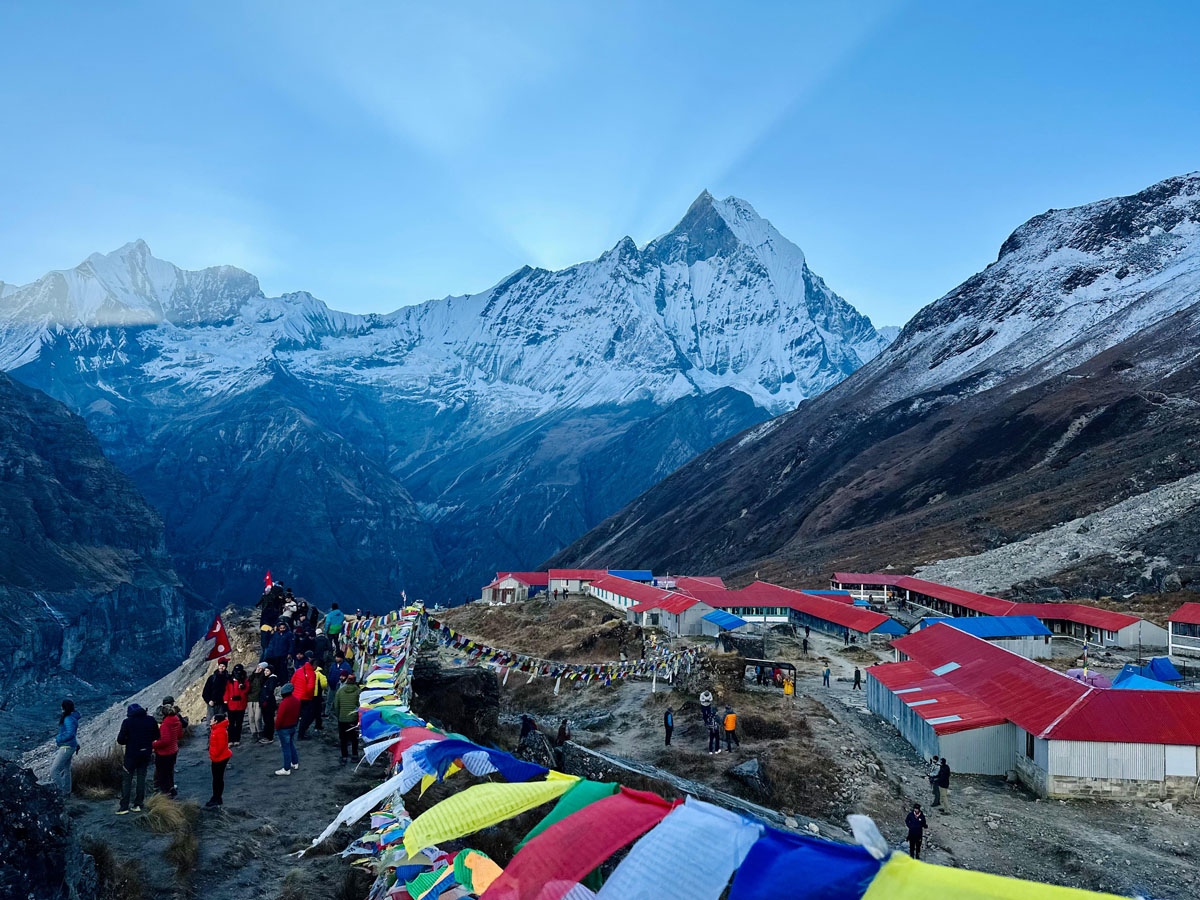
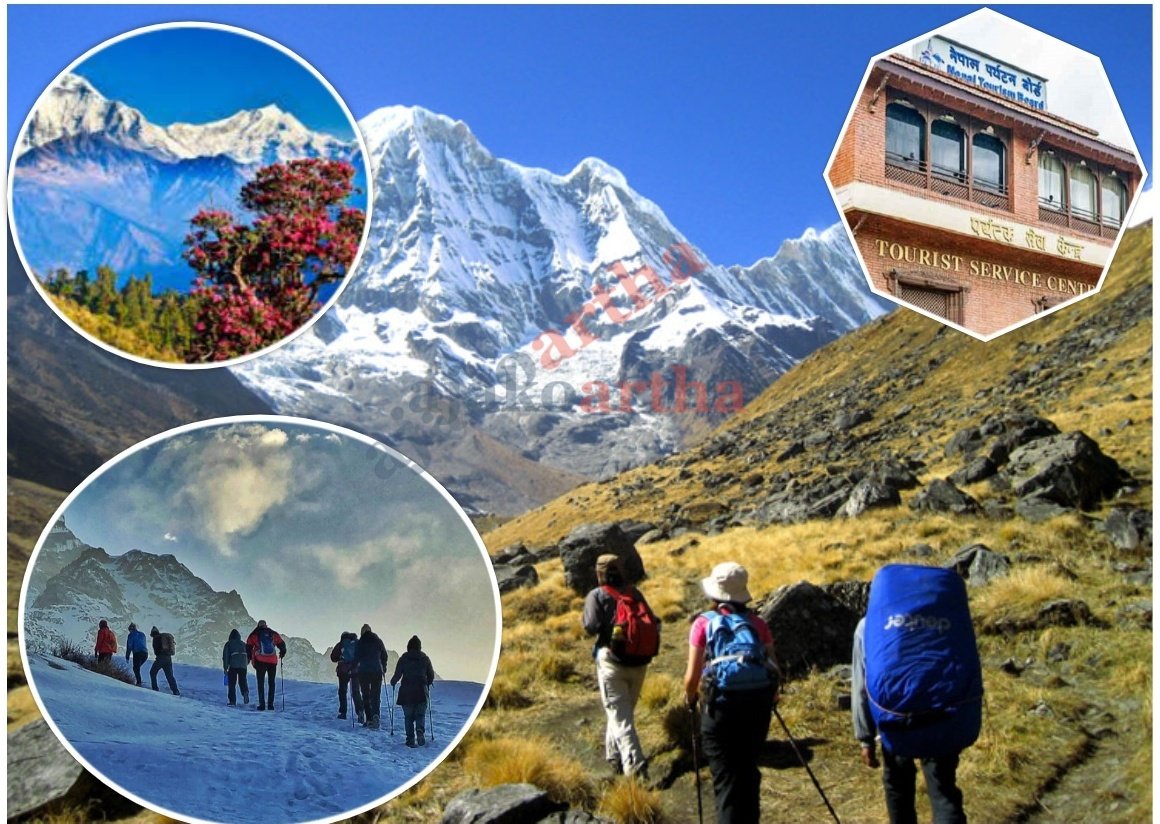
Kathmandu: Nepal’s mountain tourism, long regarded as a pillar of the country’s adventure tourism and international identity, is facing growing challenges as climate change begins to directly affect mountaineers, trekking routes, and overall safety in the high Himalayas. While mountaineering continues to attract global attention, structural weaknesses and environmental shifts are putting increasing pressure on the sector.
Mountaineering has shaped Nepal’s tourism profile ever since humans first set foot on Mount Everest. Over time, the activity evolved from an elite expedition-based pursuit into a structured industry that supports guides, porters, operators, and local communities. Today, it remains one of the most attractive segments of Nepal’s tourism economy, drawing climbers seeking both adventure and global recognition.
Veterans of the mountaineering field note that the profession has changed dramatically over the past decade and a half. In earlier years, opportunities were limited, access was controlled, and the workforce was small—largely dominated by the Sherpa community. Social media exposure was minimal, and international interest grew slowly through word-of-mouth and traditional expedition networks.
In recent years, however, interest in Himalayan climbing has surged. High-quality documentaries, global media coverage, and post-pandemic lifestyle shifts have drawn affluent and image-conscious climbers to Nepal’s peaks. Social media visibility and international awards for mountain films have further amplified the appeal, making Everest and other peaks symbols of personal achievement.
Despite rising demand, the supply of skilled guides is declining. Traditional sources of mountain manpower—yak and chauri herders and high-altitude pastoral communities—are disappearing as livelihoods shift and rural economies change. As grazing routes shrink and mountain lifestyles fade, the tourism workforce rooted in these regions is also diminishing.
The situation is compounded by a lack of institutional support. Although adventure tourism holds immense economic potential, insufficient state attention and limited family encouragement have discouraged younger generations from entering the profession. Mountaineering training programs, once conducted by recognized institutions, have been suspended for years, leaving a critical skills gap in the industry.
Families often perceive trekking and mountaineering as high-risk professions with uncertain income. Faced with rising costs and safety concerns, many young people choose overseas employment over careers in tourism. As a result, even as tourist numbers grow, the availability of experienced guides continues to shrink.
Safety preparedness remains a major concern. Nepal is home to eight peaks above 8,000 meters, yet it lacks a government-operated mountain rescue team. Rescue operations—both routine and emergency—are largely handled by private companies. With increasing climber numbers, experts warn that the absence of a state-led rescue mechanism poses serious risks to both tourists and workers.
Climate change has further intensified these risks. Shifts in rainfall patterns have disrupted traditional climbing seasons, while rising temperatures at higher altitudes have increased ice melt and avalanche hazards. Rapid glacial melting has raised the threat of glacial lake outburst floods, placing climbers and downstream communities at risk.
Investment patterns in tourism also reveal structural imbalances. Most high-end hotels remain concentrated in Kathmandu, while key trekking and mountaineering destinations lack adequate infrastructure. Although Nepal’s mountain packages are marketed globally through international operators, actual investment in mountain regions remains limited.
Foreign investment could help address these gaps, but industry stakeholders stress that government facilitation is essential. Simplified banking procedures, destination-specific investment planning, and coordination among federal, provincial, and local governments are required to unlock tourism’s full potential—especially at a time when the national economy is under strain.
Policy inconsistencies are also affecting high-value tourism. Recent restrictions on helicopter operations and large expedition logistics in regions such as Khumbu have drawn criticism from operators. While safety and environmental protection are important, poorly designed regulations risk discouraging quality tourists who prioritize convenience and safety.
Climate pressures and policy challenges intersect with broader concerns about sustainability. As climber numbers increase, waste accumulation on major peaks has become a visible problem. Although a garbage deposit system exists, critics argue that the policy focuses more on paperwork than effective waste management, allowing environmental degradation to persist.
Mountaineers and tourism professionals have repeatedly called for the creation of welfare funds, structured rescue systems, and transparent waste management mechanisms. However, these demands have yet to be meaningfully addressed. The absence of action has limited progress toward making Nepal’s mountaineering sector safer, cleaner, and more attractive.
Experts emphasize that mountaineering is not a reckless pursuit but a discipline requiring skill, fitness, and preparation. While risk is inherent, it can be significantly reduced through training, professional standards, and institutional support. Countries that treat mountaineers as athletes—not laborers—have succeeded in building safer and more respected mountain industries.
In Nepal, however, the lack of minimum wage standards and formal employment structures has pushed many experienced guides abroad. Seasonal bargaining and income uncertainty continue to undermine workforce stability, even as global demand for Himalayan expeditions remains strong.
Despite these challenges, the sector retains immense potential. Mountaineering is among the world’s most expensive tourism products, and Nepal remains uniquely positioned to benefit from it. Advances in weather forecasting, gear technology, and global travel trends have further strengthened prospects for high-quality adventure tourism.
To fully realize this potential, experts argue that coordinated action is essential. Government agencies, private operators, and tourism professionals must jointly develop and implement a clear roadmap focused on safety, sustainability, and workforce development. Without such collaboration, the growing impact of climate change may outweigh the economic benefits of mountain tourism.
Nepal’s mountains remain one of the world’s greatest natural assets. Whether they continue to generate opportunity—or become symbols of missed potential—will depend largely on how effectively the country responds to environmental change, policy gaps, and the evolving needs of its mountaineering community.