By Sandeep Chaudhary
France Tourist Visa for Nepali Citizens 2026: Schengen Update
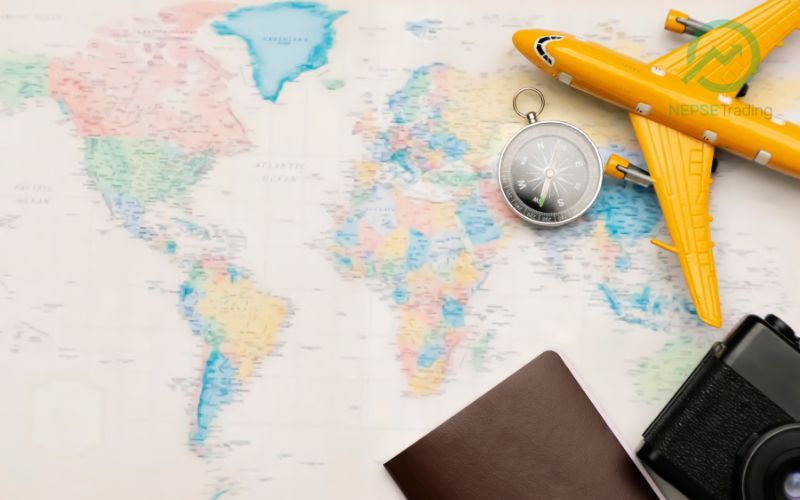
France remains one of the most attractive European destinations for Nepali travelers because of its historic cities, world-famous landmarks, museums, culture, cuisine, and easy access to other European countries. In 2026, Nepalese passport holders planning to visit France for tourism must apply for a Schengen Tourist Visa (Type C) in advance, following the latest Schengen Visa Code updates. France does not offer visa-free or visa-on-arrival access to Nepali citizens, and every application is assessed individually by the French visa authorities.
A France Tourist Visa allows Nepalese travelers to stay in France and other Schengen countries for up to 90 days within a 180-day period for tourism, sightseeing, or visiting family and friends. Once issued, the visa generally permits travel across all Schengen member states, provided the main destination or first entry is France.
Schengen Application System (2026)
Under the 2026 update, France continues to use a centralized Schengen visa system. Applicants must complete the visa application form (online or printed, as instructed) and submit documents in person at the designated Visa Application Centre (VAC) representing France in Nepal. Biometric data collection remains mandatory for most applicants.
Eligibility Under the 2026 Rules
To qualify for a France Tourist Visa, Nepali applicants must clearly demonstrate that the visit is temporary and strictly for tourism. Applicants must show sufficient financial resources to cover airfare, accommodation, and daily expenses, as well as strong ties to Nepal—such as employment, business ownership, family responsibilities, property ownership, or ongoing studies—to prove intent to return after the trip.
Required Documentation
A valid passport is mandatory, generally with at least six months validity beyond the return date and a minimum of two blank pages. Applicants must submit photocopies of the passport bio-data page and any previous visas.
A completed Schengen visa application form must be filled accurately and signed. Applicants must also provide recent passport-size photographs that meet Schengen photo specifications.
A detailed travel itinerary is required, including a round-trip flight reservation, hotel bookings covering the full stay, and a clear day-by-day travel plan. Proof of financial means—such as recent bank statements, salary slips, savings records, fixed deposits, or sponsorship documents—is essential.
Applicants must also submit travel medical insurance covering at least €30,000, valid across all Schengen countries for the entire duration of stay. To strengthen the application, evidence of ties to Nepal—employment letters, business documents, property papers, family records, or academic enrollment letters—should be included.
If visiting family or friends in France, an invitation letter and proof of relationship may be required. Depending on the applicant’s profile, the French authorities may request additional documents or an interview.
Biometrics & Appointment
All eligible applicants must provide biometric data (fingerprints and photograph) at the VAC during the scheduled appointment. Biometrics collected for Schengen visas are usually valid for future applications within a specified period.
Visa Fees & Processing Time
The Schengen visa fee is paid at the time of application and is non-refundable, even if the visa is refused. Processing time typically takes around 15 calendar days from the date of biometric submission, but it may extend to 30–60 daysduring peak seasons or if additional checks are required. Applicants are strongly advised to apply 8–12 weeks before their intended travel date.
Visa Grant & Conditions
Once approved, the Schengen visa sticker is placed in the passport. Entry into France is subject to border checks, and travelers may be asked to present proof of accommodation, return tickets, insurance, and sufficient funds. Visitors must strictly respect the 90/180-day rule and must not work or overstay.
Professional Visa Assistance
France’s Schengen visa process involves detailed documentation, strict formatting, and biometric requirements. To avoid errors and delays, many Nepali travelers prefer professional guidance. Yatra For Fun Pvt. Ltd. provides complete France Tourist Visa assistance, including eligibility assessment, document checklist preparation, application support, appointment booking, and follow-up until a final decision is received.
For trusted France visa assistance, visit https://yatraforfuns.com.
Contact Yatra For Fun Pvt. Ltd.:
Phone / WhatsApp: +977-9802348957, +977-9708072951, +977-9709066745, +977-9709066517
Landline: +977-01-4110514
Email: [email protected], [email protected]
Office Location: Koteshwor-32, Kathmandu, Nepal, near Rastriya Banijya Bank, Koteshwor Branch
By understanding the France Tourist Visa requirements and Schengen updates for 2026 and preparing accurate, complete documentation, Nepali travelers can significantly improve their chances of approval and enjoy a smooth, memorable journey to France and the Schengen region.