#GandakiInflation #NepalCPI #F
·

By Sandeep Chaudhary

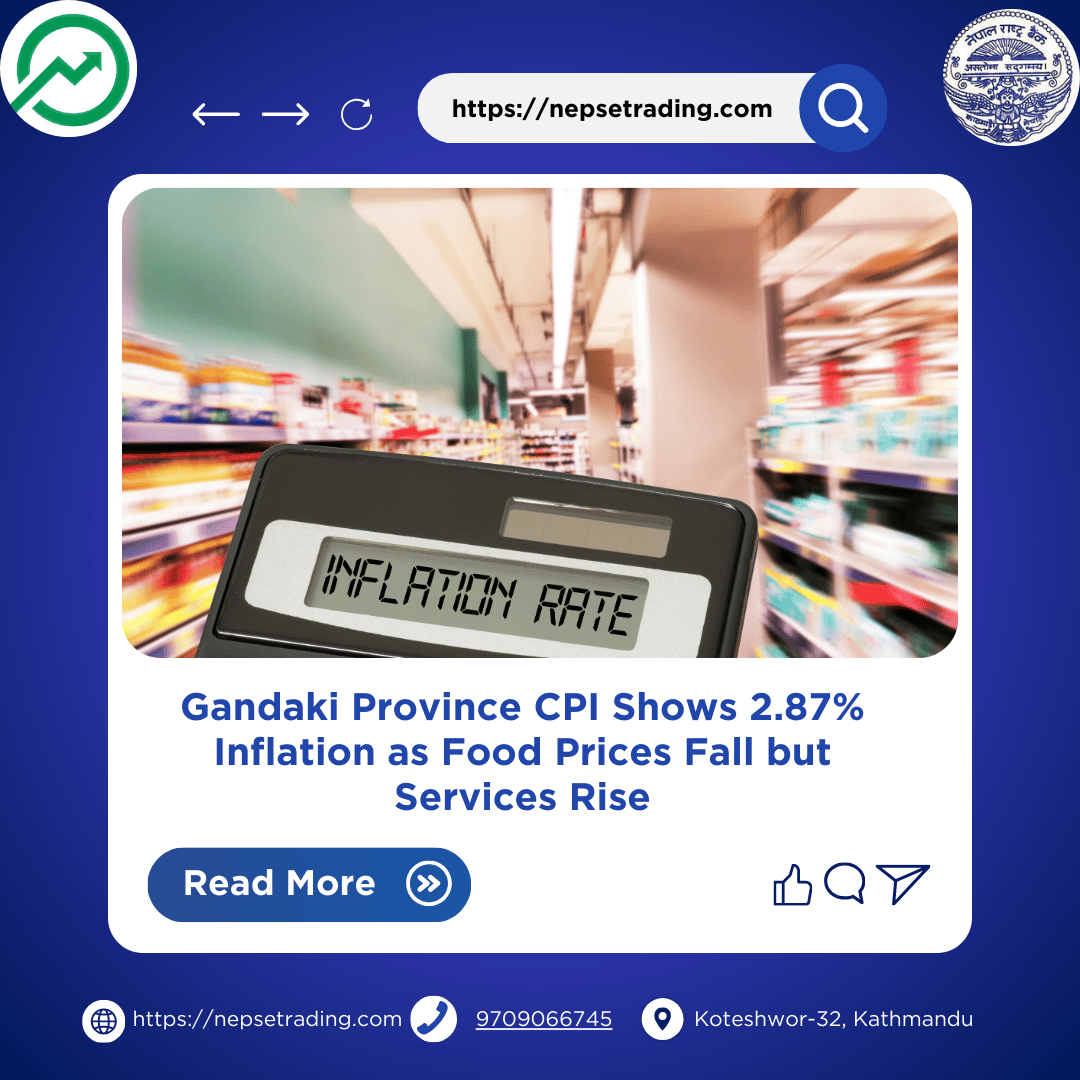
Gandaki Province CPI Shows 2.87% Inflation as Food Prices Fall but Services Rise
Gandaki Province CPI Shows 2.87% Inflation as Food Prices Fall but Services Rise

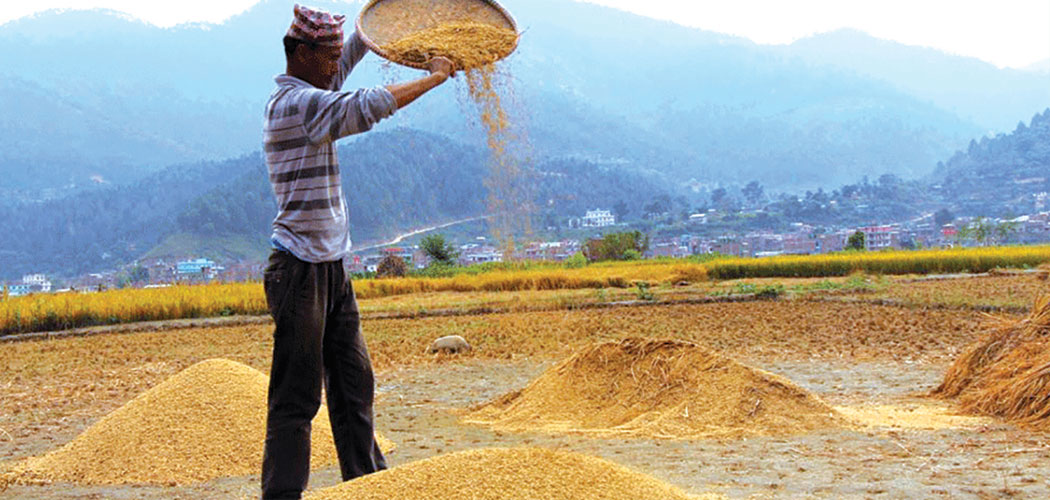
According to the latest CPI figures, Gandaki Province recorded an overall inflation of 1.03%, slightly below the national average. However, the provincial breakdown reveals a contrasting trend between food and non-food categories. Food and beverage prices in Gandaki actually declined by -2.24%, indicating relief for households on groceries, vegetables, and other essentials. This drop in food prices suggests better supply conditions or lower demand in the short term.

On the other hand, non-food and services inflation rose by 2.87%, showing that households are paying more for housing, education, clothing, and utilities. The urban sector recorded a 2.97% rise in non-food inflation, compared to 2.56% in rural areas, underscoring the higher cost of living in cities. Despite cheaper food, essential services and lifestyle-related expenses continue to push household budgets upward.

Interestingly, rural Gandaki showed a mixed trend: overall inflation was marginal at -0.03%, as falling food prices offset service costs. Meanwhile, urban areas carried more inflationary pressure, particularly in non-food categories. This divide reflects how urban households are increasingly vulnerable to rising service-sector costs, while rural families benefit more from declining food prices.
Related Blogs

Nepal Begins Budget Work, Sets Up Revenue Advisory Committee to Shape Tax and Economic Reforms
Top

4 min read

Nepal Begins Budget Work, Sets Up Revenue Advisory Committee to Shape Tax and Economic Reforms

Nepal Begins Budget Work, Sets Up Revenue Advisory Committee to Shape Tax and Economic Reforms Kathmandu — Nepal’s Ministry of Finance has formally kicked off the process of preparing the national budget for the upcoming fiscal year by constituting a Revenue Advisory Committee, signaling the start of the government’s annual fiscal planning cycle. Officials say the move is aimed at collecting structured policy input before the budget ceiling, priorities, and tax proposals are finalized. According to the ministry, the committee has been formed under a decision of Finance Minister Rameshwar Prasad Khanal dated Magh 28 (Nepali calendar), with the Ministry’s Revenue Secretary serving as coordinator. The ministry’s spokesperson, Tank Prasad Pandey, said the committee has already started work, indicating that early-stage consultations and technical reviews are now underway. At its core, the committee’s mandate is broader than routine “tax suggestions.” It has been asked to advise on the economic context and on what the budget should prioritize—meaning it can influence both the revenue strategy (how the state raises money) and the policy direction (where the state plans to intervene, reform, or incentivize). In practice, such committees often become the route through which competing interests—business groups, sector associations, experts, and government agencies—try to shape the budget narrative.

Dipesh Ghimire

·

1 Mar, 2026