By Sandeep Chaudhary
How Prescribed Sector Lending Shapes Nepal’s Economy
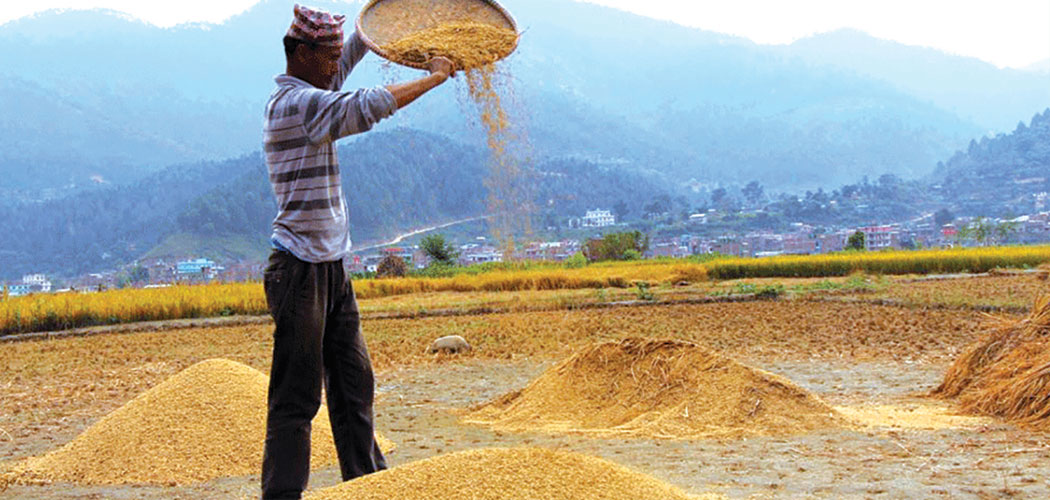
Prescribed sector lending is one of the most influential tools through which Nepal Rastra Bank (NRB) directs commercial banks to contribute directly to national development goals. NRB mandates that banks allocate minimum portions of their loan portfolio to priority areas such as agriculture (11%), energy (6.5%), and Micro, Cottage, Small & Medium Enterprises – MCSME (11%). These sectors are considered “productive” because they create jobs, reduce imports, support exports, and ensure long-term sustainable growth of the economy.
From the Asadh 2082 (Mid-July 2025) NRB data, it is clear that many banks have made strong progress in meeting or even surpassing these targets. For instance, Agriculture Development Bank (ADBL) has allocated nearly 28.55% of its portfolio to agriculture and 24.64% to MCSMEs—well above the regulatory minimums—reflecting its historical role as a development-focused bank. Similarly, private banks like NIC Asia (16.74% MCSME) and Kumari Bank (13.15% MCSME) have exceeded their MCSME lending requirements, showing greater support for small businesses. In energy financing, Standard Chartered (10.50%) and NMB Bank (13.05%) stand out by going far beyond the 6.5% threshold, positioning themselves as major contributors to Nepal’s renewable and hydro development.
The economic impact of this type of lending is substantial. By ensuring banks funnel credit into these areas, NRB not only supports rural farmers, small entrepreneurs, and energy projects but also stabilizes the economy by diversifying loan portfolios beyond just real estate and consumption. This reduces systemic risk and fosters a stronger foundation for long-term GDP growth, industrial expansion, and employment generation.
For investors and depositors, prescribed sector lending also provides indirect assurance. Banks that actively meet or surpass these targets tend to have more balanced and sustainable growth models, making them less vulnerable to shocks in a single sector like real estate. In the long run, this enhances financial stability and strengthens both deposit safety and shareholder value.