By Dipesh Ghimire
Nepal Risks Wasting Its Demographic Opportunity as Weak HR Practices Undermine Human Capital
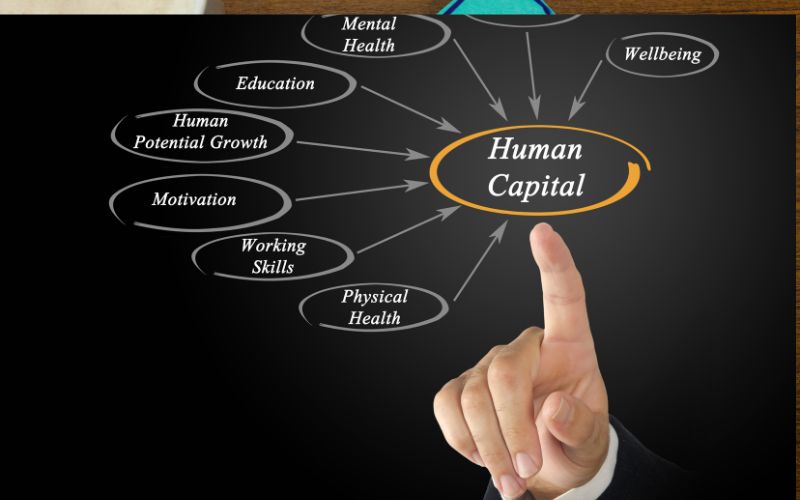
Nepal stands at a sensitive turning point in its economic transformation. On one hand, the country enjoys a rare demographic window, with a young and potentially productive population. On the other hand, the utilisation of that human potential remains worryingly low. Global research has repeatedly shown that effective human resource management (HRM) drives productivity, innovation and long-term growth. Yet in Nepal, HRM is still seen largely as an administrative formality rather than a strategic pillar of national development.
At a time when the country is fighting unemployment, skill mismatch, labour migration and an unstructured labour market, experts say strategic HRM could be the missing link needed to convert human capital into economic strength.
Human Capital Now Defines National Wealth, Not Physical Assets
Across the world, economies have recognised that skilled, motivated and innovative human capital is more valuable than physical infrastructure or natural resources. Studies conducted over recent decades show that HRM practices have a strong and measurable impact on institutional performance. Meta-analyses reveal an average correlation of around 0.29 between HRM quality and organisational success — a remarkably strong relationship in behavioural sciences.
Institutions that adopt high-performing HR systems — such as continuous training, fair compensation, leadership development and employee involvement — have reported 15 to 25 percent productivity gains. Modern HR models also emphasise work–life balance, mental health support and flexible work structures, all of which deepen employee commitment and reduce turnover.
Globally, HRM is now understood in three layers: administrative HR focusing on payroll and compliance; developmental HR emphasising skills and leadership; and strategic HR which aligns human capital with long-term institutional goals. Analysts say Nepal’s economic aspirations demand a shift toward this third layer.
Nepal’s Human Capital Remains Underutilised Despite Progress
Nepal has made notable progress in education, health and youth skills, but utilisation remains extremely low. According to the World Bank’s Human Capital Index, Nepal scores 0.51 — meaning a child born today is likely to achieve only half of their potential productivity by adulthood.
Even more concerning is the utilisation-adjusted index hovering around 18 percent, implying that over 80 percent of available human capital is not being productively used in the economy.
The labour market reflects this underutilisation. The official unemployment rate stands at 10.71 percent, while youth unemployment is estimated above 20 percent. Labour-force participation remains below 40 percent — one of the lowest in South Asia — showing that a large share of working-age Nepalis are outside formal economic activity.
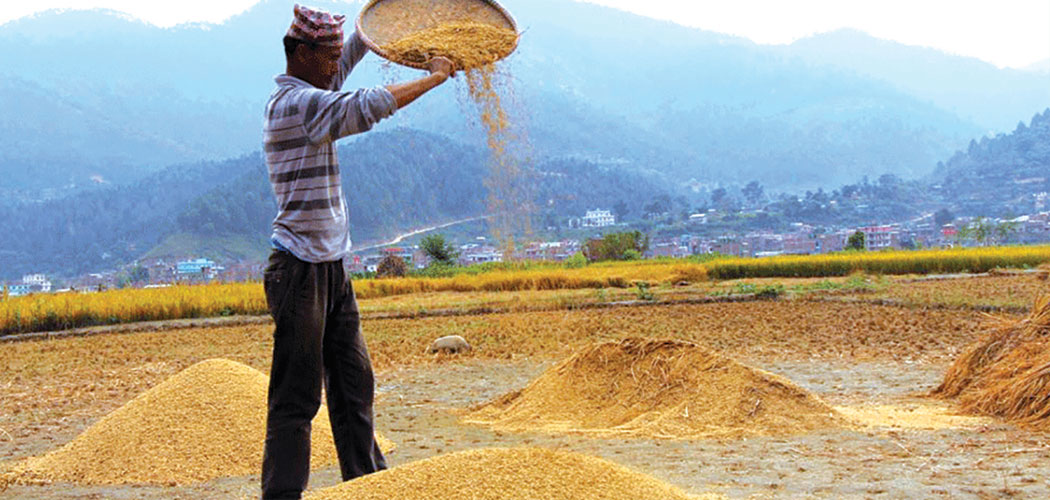
More than 80 percent of employment is in the informal sector, where structured HR systems are almost entirely absent. As a result, millions of workers receive no opportunities for training, performance evaluation, career development or safe working conditions. This limits both individual progress and national productivity.
Brain Drain: Nepal’s Most Expensive Loss
Every year, tens of thousands of skilled and educated Nepali youths migrate abroad in search of opportunities. Economists warn that this mass outflow has created a paradox where Nepal invests heavily in producing human capital, but foreign economies enjoy its returns.
The continued migration of innovative and productive youth has weakened Nepal’s domestic capacity for entrepreneurship, technological advancement and industrial growth. The country faces a persistent shortage of skilled professionals — from technicians to managers — even as millions of young Nepalis remain unemployed.
Inside Nepal, most organisations either lack HR departments or restrict HR functions to basic administrative tasks. Because HR is not integrated into management-level decision-making, human capital rarely becomes part of organisational strategy.
Lessons from Global Best Practices
Developed economies treat HRM not as a support function but as a strategic investment. There, HR leaders sit alongside top executives in making key decisions related to planning, innovation and institutional culture. Continuous skill development, leadership pipelines and employee welfare systems are embedded in organisational frameworks.
Countries with strong human capital focus not only on education but also on lifelong learning, emotional well-being and workplace safety. HR systems in these contexts are designed to encourage creativity and long-term retention.
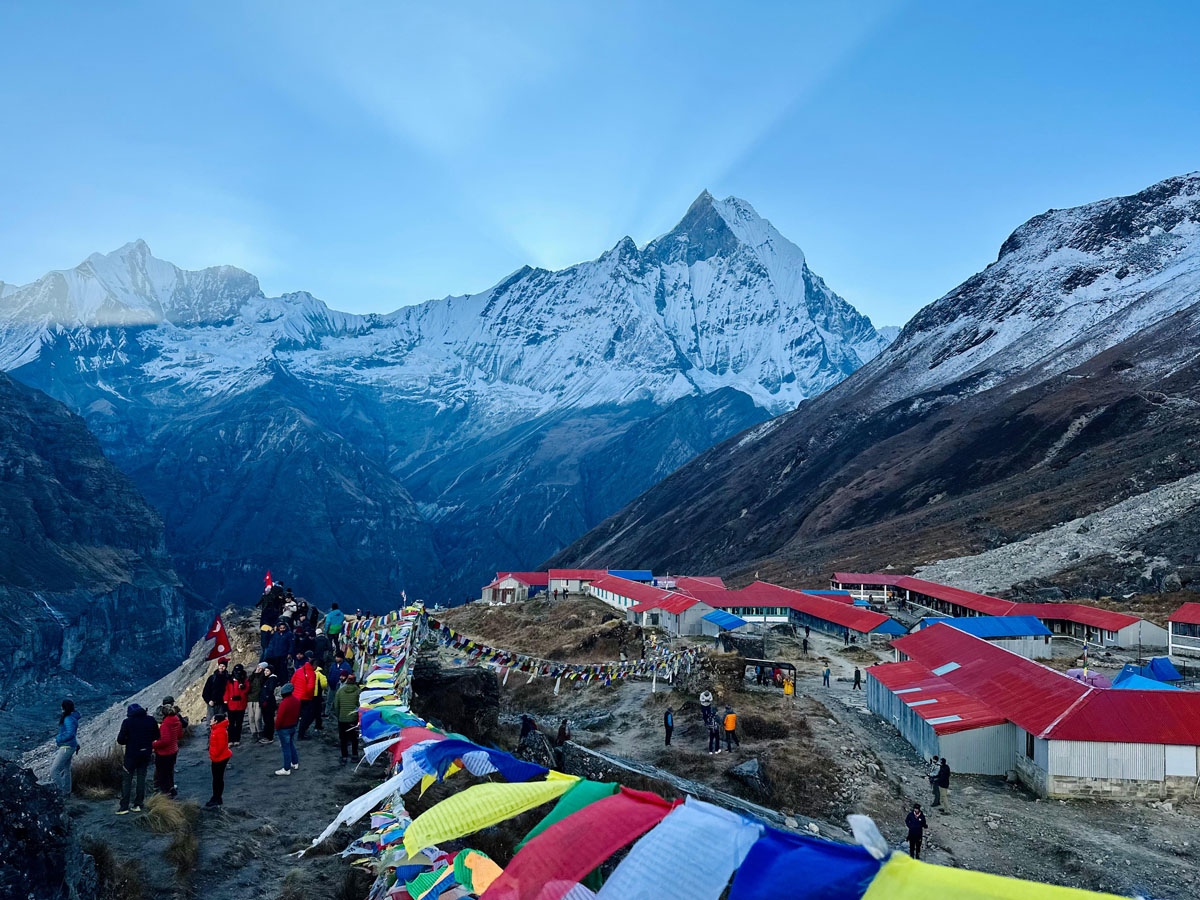
Nepal can localise such practices, especially in sectors with high growth potential such as tourism, banking, health, ICT, manufacturing and education. A structured HR approach across these sectors could improve competitiveness, raise productivity and create sustainable employment.
Why HRM Implementation Remains Difficult in Nepal
Several structural constraints hinder effective HRM adoption in Nepal. Industrial expansion remains limited, and the small and medium enterprise (SME) sector — which constitutes the backbone of employment — is scattered and financially constrained. Most organisations lack budgets for HR development, and trained HR professionals are in short supply.
Socioeconomic inequalities further restrict access to quality education, health services and skill-building opportunities. In many workplaces, employees are still seen as a cost rather than an investment, due to outdated organisational culture. This perception prevents HR from becoming part of strategic decision-making.
Meanwhile, the ongoing brain drain continues to hollow out Nepal’s talent pool. Skilled professionals leave in search of higher incomes and improved living conditions, making it even harder for domestic industries to maintain competitiveness.
Policy Roadmap: Turning Human Capital into Economic Strength
Experts suggest that Nepal’s economic future depends on elevating HRM to a national development strategy. This requires coordinated reforms in education, training, labour policy and organisational culture.
The first priority is investment in human capital development — strengthening education, technical training, health, nutrition and digital skills. The Technical and Vocational Education and Training (TVET) system must be redesigned in partnership with the private sector to reduce skill mismatch and align training with market needs.
Expanding industry and service-sector growth is essential to create jobs and absorb human capital. Investment-friendly policies, strong infrastructure, export-oriented industries, tourism promotion, agro-processing and ICT development can catalyse employment growth.
To institutionalise HRM, the government can introduce HR guidelines for SMEs, HR audits, compliance requirements and HR development incentives. Strengthening social security and employee welfare policies — including workplace safety, health benefits, mental health services and work–life balance — will also help improve productivity.
Collaboration between universities, industries and government is necessary to align skills with emerging economic opportunities. Encouraging merit-based compensation, career growth and innovation-friendly workplaces may help retain talent within Nepal.
Engaging the Nepali diaspora through digital platforms and remote work models could convert brain drain into “brain gain.”
Nepal’s human capital has grown in quantity but remains underutilised in quality. Limited job opportunities, a dominant informal sector, weak industrial capacity and persistent labour migration have prevented human resources from becoming a driver of economic transformation.
Global evidence is clear: HRM is not merely an administrative practice but a strategic tool directly linked to productivity, innovation and national competitiveness. If Nepal integrates HRM into its development agenda — through reforms in education, labour markets, welfare systems and organisational culture — human capital can become the foundation of a prosperous, resilient and future-ready economy.
For Nepal, the choice is simple but urgent: treat HRM as paperwork, or embrace it as a national transformation strategy.