By Dipesh Ghimire
Political Consensus Vital for Economic Revival: Challenges and Solutions for Nepal
Nepal’s economy has faced numerous setbacks in recent years, including the devastating 2015 earthquake, the direct and indirect impacts of COVID-19 from 2019 to 2022, and the annual natural disasters that cause significant damage to both lives and property. Additionally, increasing dependence on imported food and the impact of climate change on productivity have severely affected the country's economic stability. To revive the economy, strong political will and commitment from the leadership are crucial.
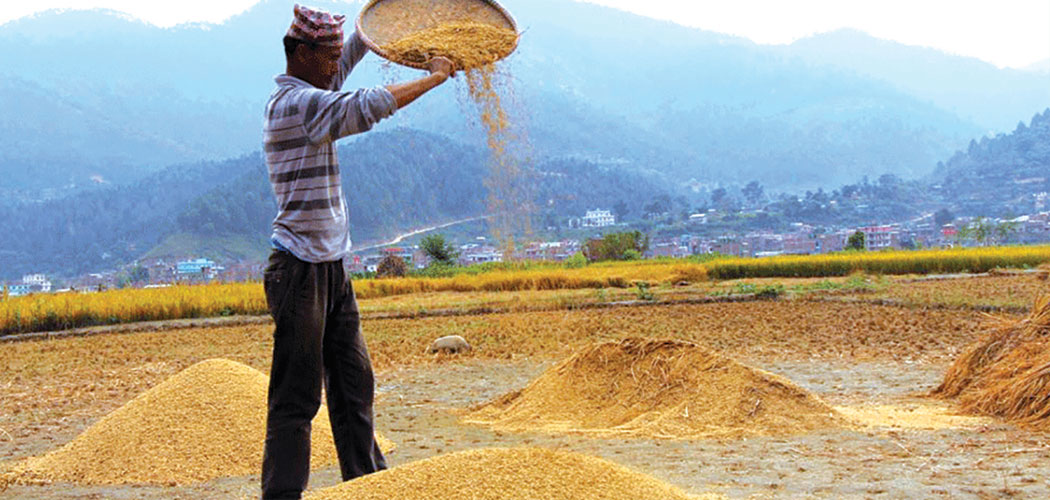
The latest disaster, a massive flood and landslide that occurred across the country from October 11-13, has caused further losses. The government has initiated damage assessments, but the full impact of the flood will become evident only in the coming months. Farmers who had prepared storage for the rice harvest are now faced with barren fields, and as a result, the expected rice yields will not be achieved. Such situations are likely to severely impact a significant portion of the country’s agricultural output, creating ripple effects across the economy.
The Role of Climate Change in Nepal’s Economic Challenges
The devastating floods have highlighted the growing impact of climate change on Nepal's economy. While floods and rains are common in Nepal, the frequency and intensity of such natural disasters have increased, often exacerbated by human-made structures, such as crushers and stone mining activities in the Koshi region, and the changing weather patterns in areas like Sindhupalchok. The failure to address the causes and impacts of climate change, including its adverse effects on agriculture and hydroelectric power generation, has left Nepal vulnerable to unpredictable weather events.
Political leadership has yet to fully grasp the long-term effects of climate change on various sectors. The government needs to take immediate and serious actions by preparing mitigation strategies and calling for compensation at national and international levels. During COP28, former Prime Minister Pushpa Kamal Dahal raised Nepal's concerns regarding climate change, and President Ram Chandra Paudel's team also outlined Nepal’s position at COP29. However, the question remains whether these international discussions will translate into tangible support and action for Nepal's climate-induced losses.
The Need for a Comprehensive Strategy
Nepal’s political leadership must prioritize a comprehensive approach to managing climate change's impacts and its economic consequences. Climate change should be a key element in policy discussions, with strategies developed at the legislative level to address both the immediate and long-term challenges. Nepal's political instability, marked by conflicting ideologies between major political parties, continues to hinder effective economic planning and execution. Without a stable and unified political stance, the country struggles to implement policies that can drive economic recovery and sustainable development.
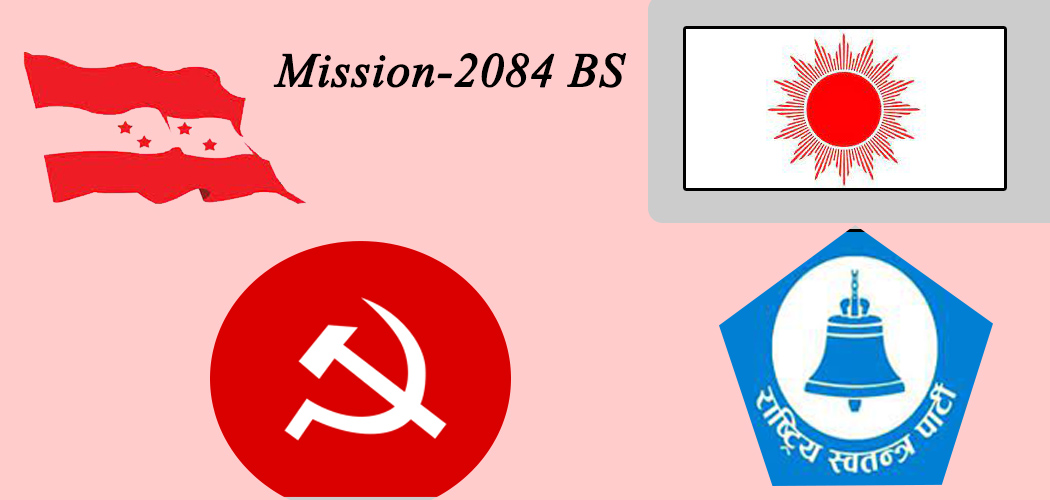
The current debate between political ideologies—ranging from the left-wing socialist views of the Communist Party of Nepal (CPN) to the market-oriented policies of the Nepali Congress—has led to policy gridlocks that hamper progress. While the Nepali Congress advocates for a liberal capitalist economy, the Communist Party pushes for a more socialist, state-controlled approach. This ideological rift not only affects policy decisions but also delays critical reforms needed for economic revitalization.
The Importance of Political Stability and Policy Consistency
For Nepal’s economic recovery to take place, political stability is essential. Policy stability will foster trust among both national and international investors, creating a conducive environment for growth. Investments, in turn, will fuel economic activities, increase productivity, and create jobs. Only through this interconnected process can Nepal begin its path toward economic revival.
However, political parties in Nepal need to move beyond criticism and engage in constructive dialogues that focus on practical solutions. While the opposition criticizes the government for its lack of action, the ruling party claims it is working on various fronts. The debate, however, often remains superficial, with little to show in terms of concrete actions. This situation has left Nepal in a state of political and economic stagnation, where short-term political gains are prioritized over long-term solutions.
Focus on Governance and Institutional Strengthening
In addition to political stability, institutional strengthening is necessary to build a robust economic framework. Public institutions must be transparent and accountable, and the government must take a firm stance against corruption. As seen in the recent issues with public procurement laws and the lack of infrastructure development, institutional inefficiency remains a significant barrier to economic progress.
The private sector also plays a crucial role in Nepal’s economic recovery, but it requires a more investment-friendly environment. However, due to policy inconsistencies and a lack of a clear, long-term economic vision, the private sector has been hesitant to invest significantly. There is an urgent need to create a more favorable regulatory environment to stimulate entrepreneurship and attract both domestic and foreign investment.
Addressing Infrastructure and Energy Needs
Nepal’s infrastructure development has been slow, particularly in key sectors like agriculture, industry, and energy. For instance, energy security remains a major challenge, despite the country’s substantial hydropower potential. While Nepal has made strides in increasing electricity generation, there remains a significant gap in infrastructure, such as transmission lines and power distribution networks. The government has attempted to address these issues but has failed to implement projects effectively due to financial constraints and bureaucratic hurdles.
Hydropower development is a critical area for Nepal's economic recovery. The country has the potential to generate substantial income through electricity exports to India, Bangladesh, and potentially China. However, to achieve this, Nepal must improve its energy infrastructure and streamline the permitting process for hydropower projects. The government must work closely with the private sector to ensure that large-scale projects can be developed swiftly, overcoming challenges such as land acquisition and environmental regulations.
The Path Forward: A National Dialogue for Economic Recovery
To successfully navigate the economic challenges, Nepal must foster a national dialogue that brings together all sectors—government, opposition, the private sector, and civil society. This inclusive dialogue should focus on creating a clear, actionable roadmap for economic recovery, with a strong emphasis on policy reforms, infrastructure development, and sustainable economic practices.
Nepal’s political leaders must focus on unifying the country’s diverse ideological perspectives and reach a consensus on critical issues such as climate change, economic policies, and infrastructure development. The upcoming discussions around these topics will determine Nepal’s future economic trajectory, and it is imperative that all parties engage in meaningful discussions that prioritize the country's long-term prosperity over short-term political gain.
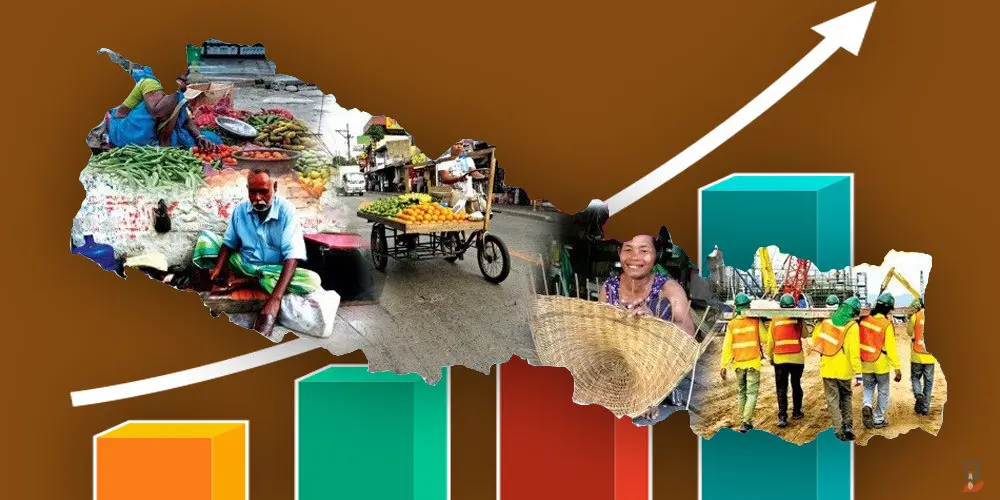
In conclusion, for Nepal to recover from its current economic crisis, it is essential to build political consensus, stabilize policies, and promote inclusive economic growth. Only with a unified approach can Nepal transform its economy and achieve sustainable development in the coming years.