By Dipesh Ghimire
Political Uncertainty Keeps Nepal’s Stock Market in Sideways Trend, Investors Remain Cautious
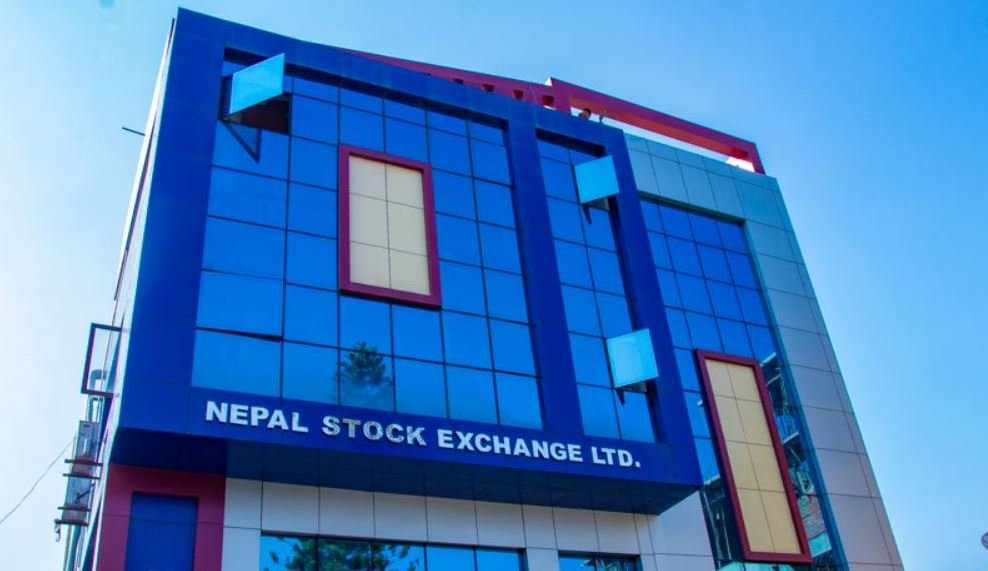
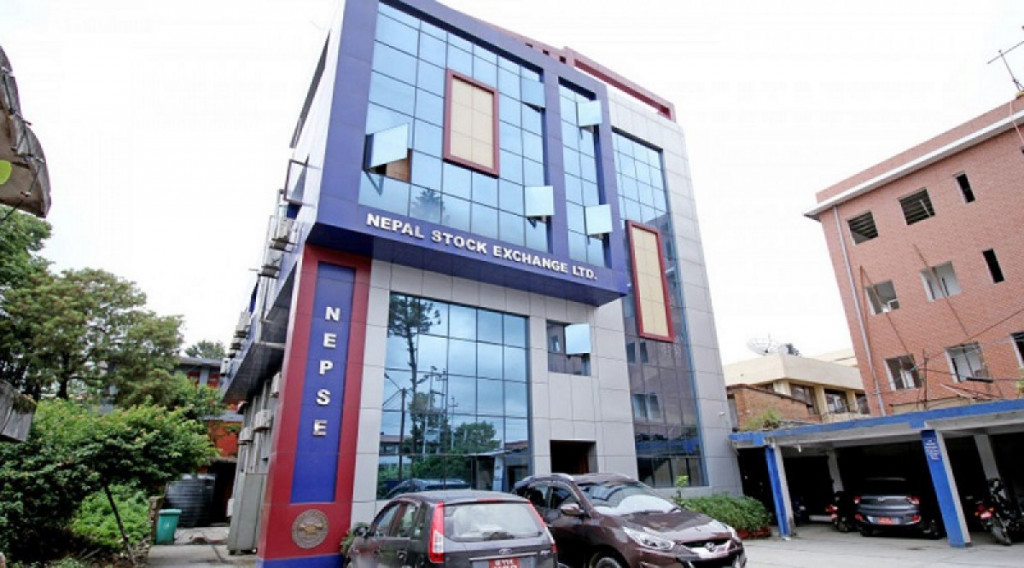
Nepal’s stock market has been moving within a narrow range in recent weeks, reflecting growing uncertainty among investors. Market indicators show repeated small gains followed by minor declines, a pattern commonly described as “sideways movement” in trading terminology. Analysts say the trend highlights hesitation among investors who are struggling to interpret the country’s shifting political environment.
According to brokers, the dominant factor influencing current market behavior is uncertainty over whether parliamentary elections will take place in the coming months. “When investors feel elections are likely, the market starts rising,” said one broker. “But when doubts emerge, prices fall again.” This tug-of-war between optimism and fear has kept the market locked in a limited range.
Political Signals Driving Market Sentiment
Market participants say political statements and actions by major parties are being closely monitored by investors. Conflicting messages regarding election preparations, governance reforms, and power-sharing arrangements have created mixed signals in the market.
Investors who believe elections will proceed are gradually accumulating shares, expecting political stability to follow. On the other hand, those who fear delays or instability are selling holdings to avoid potential losses. This split behavior has prevented the market from forming a clear upward or downward trend.
Brokers also note that news related to the arrest and release of businessman Durga Prasai has added to short-term volatility. Similarly, repeated expressions of doubt by traditional political parties about elections have triggered nervous reactions in trading sessions.
Shares Trading Below Net Worth Raise Concerns
One of the striking features of the current market is that several companies are now trading below their book value, or net worth per share. “Some investors are so risk-averse that prices of certain stocks have fallen below their actual asset value,” a broker said.
Net worth per share represents the value shareholders would theoretically receive if a company liquidated all assets and paid off liabilities. When stock prices fall below this level, it is often seen as a sign of extreme pessimism.
This trend has been most visible in the banking sector, which has been under pressure due to rising non-performing loans and weak credit growth.
Banking Stocks Under Pressure
According to second-quarter financial statements for fiscal year 2025/26, Nepal Investment Mega Bank reported a net worth of NPR 194 per share. However, its shares closed at around NPR 190 on Monday, trading below book value.
Similarly, Nepal Bank Limited posted a net worth of NPR 262 per share, while its stock traded at NPR 242 at the close of trading. These figures suggest that investors remain cautious about the banking sector’s near-term prospects.
Meanwhile, concerns have also grown after Laxmi Sunrise Bank reported losses during the same period, further weakening confidence in financial stocks.
Valuation Alone Not Enough for Investment Decisions
Market analysts caution that net worth should not be the sole indicator for investment decisions. While shares trading below book value may appear attractive, investors are advised to also consider profitability, management quality, future growth potential, and sector-specific risks.
In Nepal’s stock market, newly listed companies are often priced based on net worth during initial trading, sometimes at up to three times book value. However, experts say secondary market investments require broader analysis rather than reliance on a single metric.
Impact of Rising Bad Loans
Rising non-performing loans in the banking sector have added another layer of uncertainty. Weak loan recovery and slow credit expansion have affected profitability and raised concerns about balance sheet quality.
As a result, many investors remain undecided about whether current prices represent buying opportunities or warning signals. This indecision has contributed to low trading volumes and muted market momentum.
Hope Linked to Possible Elections
Despite current caution, some analysts believe that successful elections could improve market sentiment. Political stability is seen as a key factor in reviving economic activity, strengthening institutions, and restoring investor confidence.
Observers note that both new and traditional political parties have begun fielding younger candidates, raising expectations of leadership renewal. If elections are held smoothly, experts say it could create a more predictable policy environment.
Potential Boost to Credit and Investment
If political stability improves, banks are expected to expand lending. Analysts estimate that nearly NPR 1.1 trillion in loanable funds is currently available in the banking system. With interest rates at relatively low levels, credit expansion could stimulate business activity and corporate earnings.
Such developments could also help reduce bad loans and improve balance sheet health, strengthening the overall financial sector.
Opportunity and Risk Coexist
Brokers say the current market presents both risks and opportunities. Low valuations, especially in banking stocks, may attract long-term investors. At the same time, political uncertainty and weak economic indicators continue to pose significant challenges.
“Investors should not act out of fear or excitement,” a broker said. “This is a time for careful analysis and balanced strategy.”
As Nepal’s stock market waits for clearer political and economic signals, sideways movement is likely to continue. Whether the market breaks out of this range will largely depend on developments in the political landscape and the pace of economic recovery in the months ahead.