By Dipesh Ghimire
Trump’s 25% Tariff on Imports from Countries Trading with Iran: Impact on Nepal’s Trade
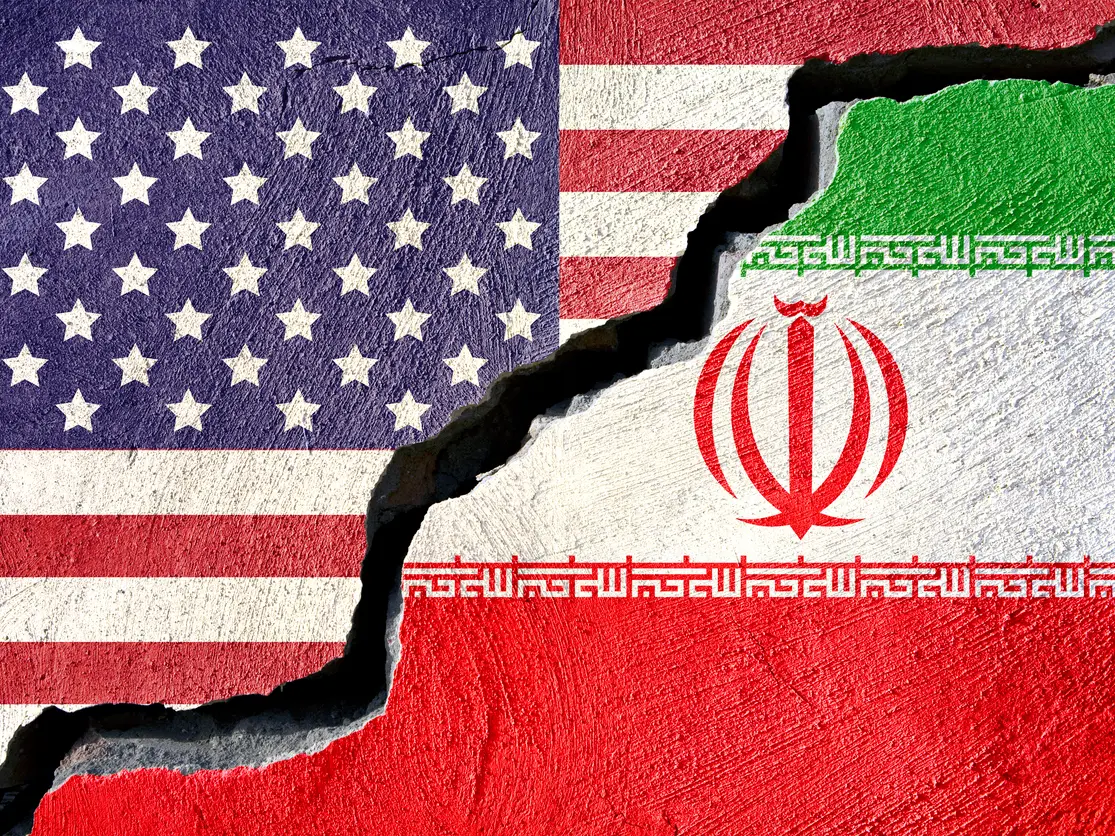
U.S. President Donald Trump announced on Monday that a 25% customs duty would be imposed on goods imported from countries maintaining trade relations with Iran. This move comes at a time when protests against the Iranian government have entered their third week, putting additional pressure on Tehran.
Trump took to social media to state that the tariff would take effect "immediately," but he did not clarify the exact scope of what “doing business with Iran” entails. China, which is Iran's largest trading partner, along with Iraq, the United Arab Emirates, Turkey, and India, are among Iran's biggest commercial partners. This new tariff follows Trump's warning about military intervention should the ongoing protests lead to further fatalities. White House spokesperson Carolyn Levitt confirmed that military options, including airstrikes, remain “under consideration.”
The Implications of the Tariff
In his announcement, Trump specified that any country engaging in trade with Iran would be required to pay a 25% tariff on all trade with the United States. However, details on which imports would be most affected have not yet been disclosed by the White House. This decision is expected to intensify the pressure on Iran, already facing a serious legitimacy crisis due to the widespread protests against Supreme Leader Ayatollah Ali Khamenei’s regime.
The unrest in Iran, which started in late December due to a sharp devaluation of the Iranian rial, has escalated into violent demonstrations. According to reports from human rights organizations based in the U.S., nearly 500 protesters and 48 security personnel have been confirmed dead. Sources speaking with the BBC suggest the actual number of casualties could be higher. Thousands of people have been arrested. However, due to the government’s decision to shut down the internet since Thursday evening, it has become difficult to gather and verify information from inside Iran. Most international media outlets, including the BBC, have been unable to provide on-the-ground reporting from Iran.
Iran’s Economic Crisis and Growing Public Outrage
The devaluation of the Iranian rial, combined with inflation rates exceeding 40%, has caused the prices of essential commodities like cooking oil and meat to soar. These economic challenges have only fueled public anger, leading to large-scale protests that question the very legitimacy of Iran's ruling authorities. The U.S.'s decision to enforce such a tariff adds to the already mounting external pressure on the Iranian regime.
Trump has also warned about possible military action in response to the situation in Iran. While Iranian officials have reportedly expressed willingness to engage in dialogue, Trump has stated that “we may need to take action before any meetings take place.”
Potential Impact on Nepal’s Trade
While Nepal’s trade with Iran is relatively small, the U.S. decision could still have significant ramifications for the country. In the past year, Nepal has imported and exported a variety of goods to and from Iran, including watermelon seeds, artificial body joints, and refined gold. Additionally, Nepal has exported volatile oils and automated bulldozers to Iran.
According to Nepal’s Customs Department, in the last fiscal year, Nepal exported goods worth NPR 8.5 million to Iran and imported goods worth NPR 67 million. Despite limited trade, the introduction of the 25% tariff could create a ripple effect, as Nepal’s ongoing trade relations with Iran may place Nepalese exports at risk of being subjected to additional tariffs.
Nepal's primary exports to the United States include handicrafts, shawls, and travel goods. Despite an ongoing trade deficit with the U.S., Nepal has benefited from preferential trade agreements such as the "Nepal Trade Preference Program," which has helped reduce some of the tariff burdens on Nepalese products. However, if the 25% tariff policy extends to Nepalese goods due to its trade ties with Iran, it could have a serious negative impact on Nepal's trade and exports to the United States.
While Nepal's trade with Iran is limited, the U.S. decision to impose a 25% tariff on goods from countries that trade with Iran could have indirect effects on Nepal’s economy. The additional tariffs could potentially harm Nepalese exports to the U.S., which already faces trade deficits. This move by the U.S. highlights the global ripple effect of political and economic actions in the Middle East, and Nepal may find itself in a precarious position if the tariffs extend beyond direct trade relations with Iran. The situation remains fluid, and much will depend on how the U.S. enforces this policy and its impact on global trade dynamics.