By Sandeep Chaudhary
Volume Analysis and OBV – Understanding the Strength Behind Price Moves
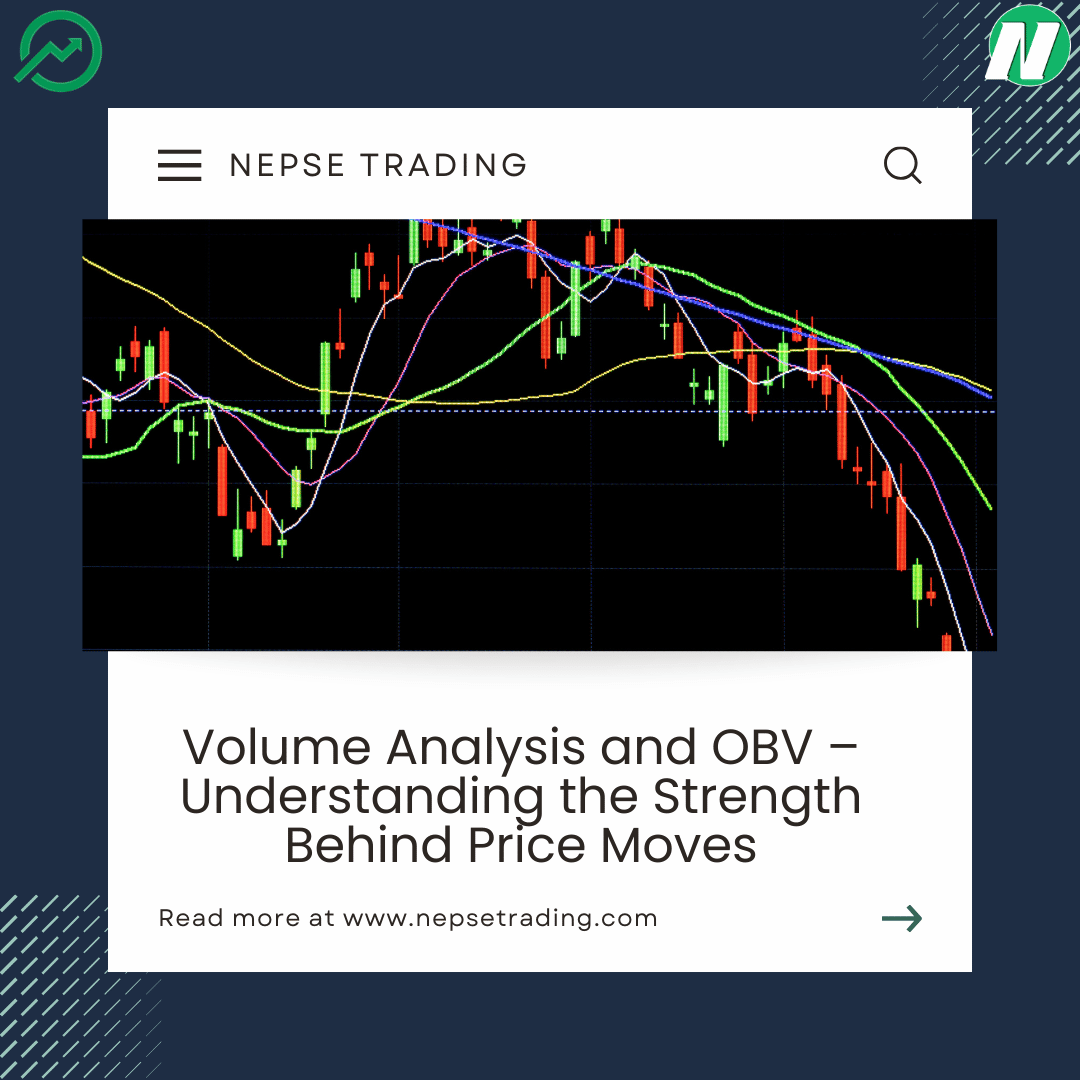
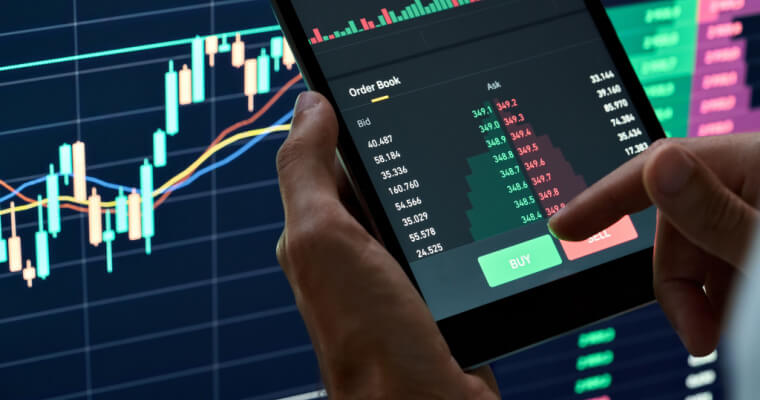
In technical trading, price tells you what is happening, but volume tells you why it is happening. Volume analysis is one of the most crucial aspects of understanding the real strength behind any price movement. For traders in the Nepal Stock Market (NEPSE), analyzing volume helps reveal whether a price trend is backed by strong participation or weak speculation. Simply put — rising prices with rising volume confirm real demand, while rising prices with falling volume warn of a weakening trend.
Volume Analysis teaches traders to interpret the market’s pulse. When volume increases during an uptrend, it means more buyers are entering, strengthening the move. However, if the price rises but the volume shrinks, it suggests a lack of conviction — possibly a short-term rally. Similarly, during downtrends, heavy volume confirms panic selling or institutional exits, while declining volume on pullbacks shows temporary relief. Volume spikes near key support or resistance zones often indicate the start of new trends or the end of existing ones — an insight that allows NEPSE traders to identify accumulation and distribution phases accurately.
One of the most powerful tools for volume analysis is OBV (On-Balance Volume), developed by Joseph Granville. OBV adds volume on up days and subtracts volume on down days to create a cumulative line that reflects the flow of money into or out of a stock. When OBV rises while the price also rises, it signals healthy buying pressure. But when the OBV line starts to fall even as the price keeps climbing, it shows bearish divergence — meaning the uptrend is losing real strength. For NEPSE traders, OBV is invaluable for spotting hidden buying (smart money accumulation) or early distribution before prices react visibly.
Sandeep Kumar Chaudhary, Nepal’s best Technical Analyst and head trainer at NepseTrading Elite, has been at the forefront of teaching the art of volume analysis and OBV interpretation. With over 15 years of banking and market experience and advanced technical training from Singapore and India, he emphasizes that volume is the fuel behind price. His students learn to combine OBV with candlestick analysis, support/resistance, and moving averages to detect real momentum and avoid false breakouts. Through his practical lessons, thousands of Nepali traders now understand that price without volume is like a car without an engine — it might move, but not with real power.