By Sandeep Chaudhary
Why Nepal’s Machinery Imports Fell by 14.7% in 2025/26
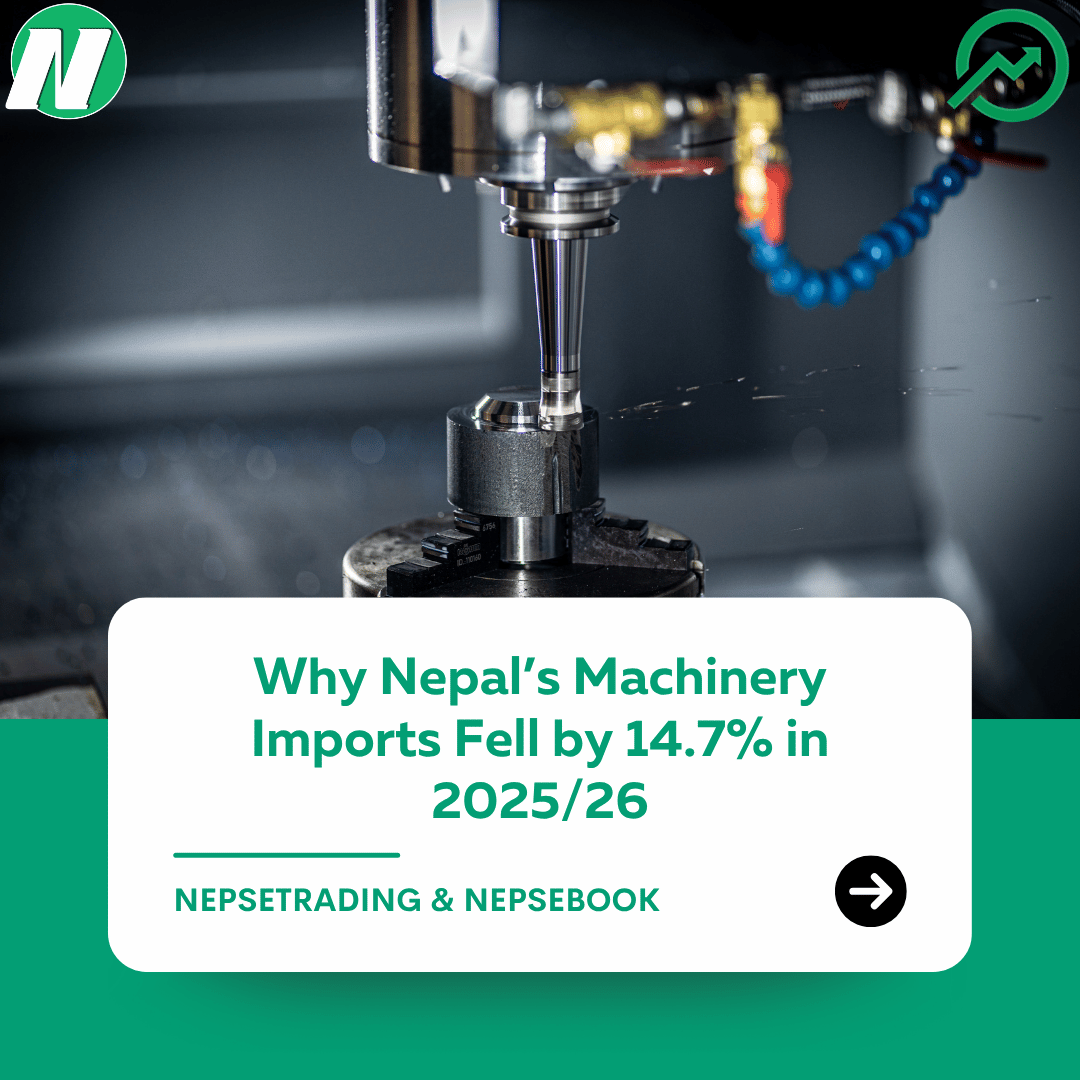
Nepal’s imports of other machinery and parts declined by 14.7% in the first month of 2025/26, dropping to Rs. 5.77 billion from Rs. 6.76 billion in the same period of 2024/25. This contraction reduced machinery’s share in total imports to 4%, signaling a slowdown in one of Nepal’s key industrial input categories.
Experts point out several reasons behind this decline. First, Nepal’s sluggish industrial expansion has limited demand for heavy machinery and spare parts. With economic activity affected by inflation, tight liquidity in banks, and slower investment flows, many factories and businesses have postponed upgrading or expanding their equipment. Secondly, Nepal Rastra Bank’s strict import and foreign exchange regulations have discouraged large-scale machinery purchases, especially for projects still in planning stages.
Another factor is the completion of major infrastructure projects in the last fiscal year, which had earlier boosted imports of construction-related machinery. With fewer new mega-projects starting this year, the demand for construction equipment has fallen. Additionally, rising imports of other essential commodities—such as crude soybean oil, rice, coal, and vehicles—have squeezed importers’ foreign currency allocation, indirectly limiting machinery imports.
Economists believe the decline in machinery imports could have long-term implications for Nepal’s productivity and industrial growth. While short-term import cuts may ease foreign exchange pressure, reduced investment in capital goods risks slowing down industrial modernization and job creation.