#NepalCPI #InflationSurge #Nep
·

By Sandeep Chaudhary

Why November and December 2024 Saw the Highest Inflation Surge in Nepal
Why November and December 2024 Saw the Highest Inflation Surge in Nepal

The monthly CPI data reveals that November and December 2024/25 were the peak points of Nepal’s inflation surge, recording 5.60% and 6.05% year-on-year growth, respectively—the highest levels in the entire fiscal year. This sharp rise in consumer prices reflects both seasonal patterns and structural pressures in Nepal’s economy.

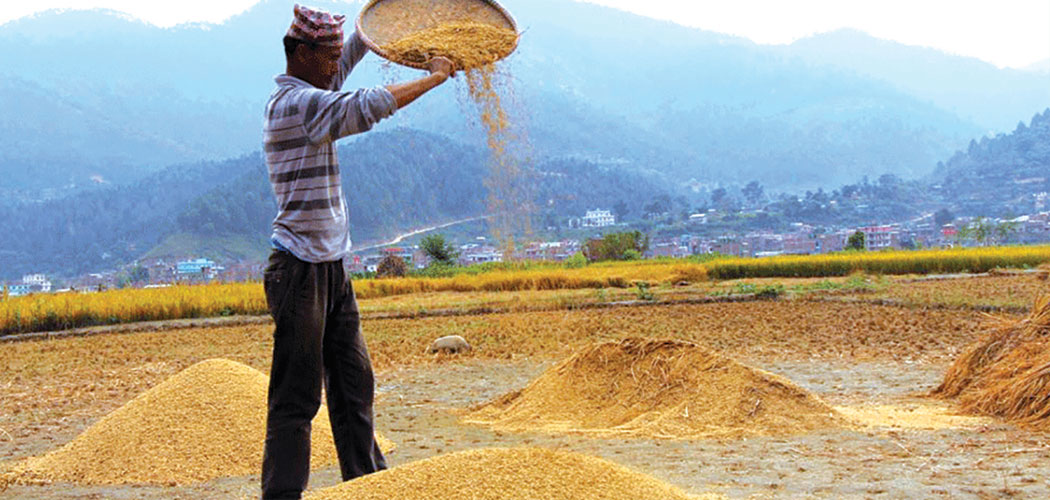
One of the main reasons for the surge was the spike in food prices during the winter months. As local agricultural production slows and reliance on stored or imported goods rises, essential items like vegetables, pulses, and cereals typically become more expensive. Seasonal demand during festivals such as Tihar and Chhath further pushed food costs upward, straining household budgets.

At the same time, non-food and service categories saw broad increases. Housing, utilities, health services, and education costs contributed to the sharp rise, reflecting structural inflation in urban centers. Transportation costs also rose due to higher fuel consumption during winter and holiday mobility.

Global factors also played a role. In late 2024, fluctuating global oil prices and import costs spilled over into Nepal’s domestic economy, adding pressure to transport and utility prices. Combined with seasonal domestic demand, this amplified the inflation spike.

By early 2025, inflation gradually eased as agricultural supplies improved, global commodity pressures softened, and Nepal Rastra Bank’s tightening measures took effect. However, November and December remain the clear outliers, marking the period when Nepalese households felt the heaviest financial strain from rising prices.
Related Blogs

Nepal Begins Budget Work, Sets Up Revenue Advisory Committee to Shape Tax and Economic Reforms
Top

4 min read

Nepal Begins Budget Work, Sets Up Revenue Advisory Committee to Shape Tax and Economic Reforms

Nepal Begins Budget Work, Sets Up Revenue Advisory Committee to Shape Tax and Economic Reforms Kathmandu — Nepal’s Ministry of Finance has formally kicked off the process of preparing the national budget for the upcoming fiscal year by constituting a Revenue Advisory Committee, signaling the start of the government’s annual fiscal planning cycle. Officials say the move is aimed at collecting structured policy input before the budget ceiling, priorities, and tax proposals are finalized. According to the ministry, the committee has been formed under a decision of Finance Minister Rameshwar Prasad Khanal dated Magh 28 (Nepali calendar), with the Ministry’s Revenue Secretary serving as coordinator. The ministry’s spokesperson, Tank Prasad Pandey, said the committee has already started work, indicating that early-stage consultations and technical reviews are now underway. At its core, the committee’s mandate is broader than routine “tax suggestions.” It has been asked to advise on the economic context and on what the budget should prioritize—meaning it can influence both the revenue strategy (how the state raises money) and the policy direction (where the state plans to intervene, reform, or incentivize). In practice, such committees often become the route through which competing interests—business groups, sector associations, experts, and government agencies—try to shape the budget narrative.

Dipesh Ghimire

·

1 Mar, 2026