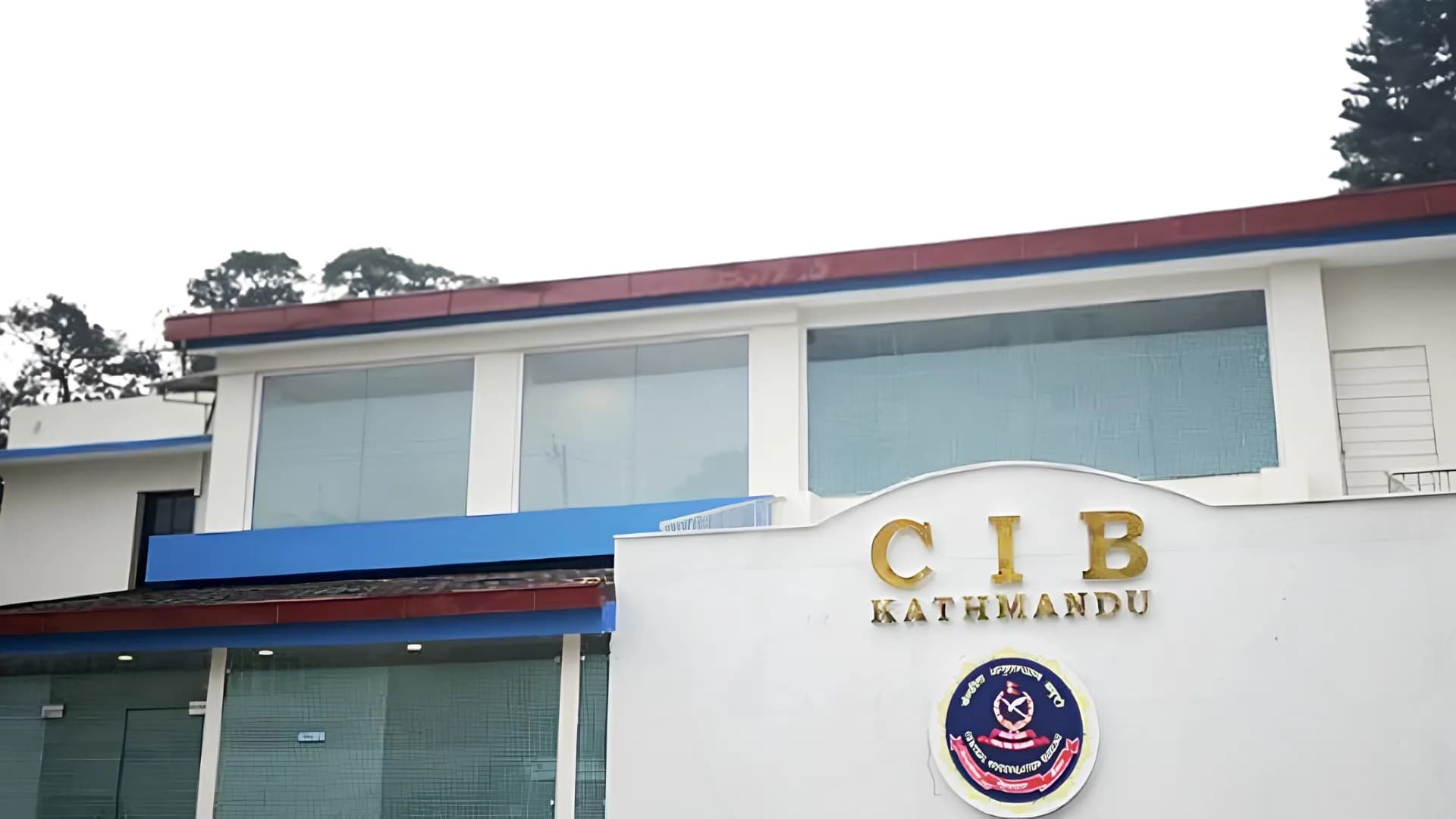
बीमाको अर्बौं रकम सेयर बजारमा : ४० जनाविरुद्ध मुद्दाको सिफारिस, 'संरचनाको केन्द्र' भने अभियोजन-दायराबाहिरै ?Billions in Insurance Funds Funneled into the Stock Market: CIB Seeks Prosecution of 40, but Is the 'Center of the Structure' Outside the Net?
काठमाडौँ — बीमा कम्पनीहरूको अर्बौं रुपैयाँ धितोपत्र बजारमा दुरुपयोग भएको निष्कर्षसहित केन्द्रीय अनुसन्धान ब्युरो (सीआईबी) ले ४० जना व्यक्ति तथा संस्थाविरुद्ध मुद्दा चलाउन सिफारिस गरेको छ । तर प्रतिवेदन सार्वजनिक हुनासाथ बजारमा अर्को प्रश्न पेचिलो बनेको छ — अनुसन्धानका क्रममा बारम्बार जोडिएका केही प्रभावशाली पात्र अभियोजनको दायरामा किन देखिएनन् ?
हिमालयन लाइफ इन्स्योरेन्स, हिमालयन रि-इन्स्योरेन्स, भृकुटी स्टक ब्रोकिङ र विभिन्न माइक्रो इन्स्योरेन्स कम्पनी जोडिएको यो प्रकरणमा हिमालयन लाइफका पूर्वप्रमुख कार्यकारी अधिकृत मनोजकुमार कर्ण, व्यवसायी दीपक भट्ट र अग्रवाल परिवारसँग सम्बन्धित कारोबार अहिले सबैभन्दा बढी चर्चामा छन् ।
प्रतिवेदनको सबैभन्दा गम्भीर तथ्य भने हिमालयन रि-इन्स्योरेन्सबाट गएको २ अर्ब ७३ करोड ३३ लाख रुपैयाँ हो । सीआईबीका अनुसार उक्त रकम विभिन्न व्यक्तिगत ग्राहक खाताका सेयर कारोबार राफसाफ गर्न प्रयोग भएको थियो । भृकुटी स्टक ब्रोकिङले दीपक भट्ट, राजबहादुर शाह, शुभी अग्रवाल र ऋषिराज मोरसँग सम्बन्धित खातामा उक्त रकम प्रयोग भएको स्वीकार गरेको प्रतिवेदनमा उल्लेख छ — अर्थात् पुनर्बीमा कम्पनीको संस्थागत स्रोतले निजी खाताको कारोबार धानिएको थियो ।
प्रकरणको अर्को दस्तावेजी पाटो हिमालयन लाइफका तत्कालीन अध्यक्ष शुलभ अग्रवालसँग जोडिएको छ । धितोपत्र दर्ता तथा निष्काशन नियमावलीअनुसार अध्यक्ष पदमा रहँदा प्रत्यक्ष सेयर कारोबार गर्न पाइँदैन । तर प्रतिवेदनले शुलभका नाममा रहेका ८ लाख ३ हजार ३१ कित्ता सेयर अदालतको मिलापत्रमार्फत छोरा कृषिव अग्रवालको नाममा सारिएको देखाएको छ । ती सेयर बिक्रीपछि कृषिवको खातामा ३२ करोड ८३ लाख रुपैयाँभन्दा बढी जम्मा भयो र बैंक विवरणअनुसार केही दिनभित्रै त्यसमध्ये २३ करोड रुपैयाँ शुलभकै खातामा फर्कियो । अनुसन्धानकर्ताहरूले यो कारोबार-शृंखलालाई कानुनी बन्देज छल्ने सम्भावित उपायका रूपमा हेरेका छन् ।
दुरुपयोगको दायरा सहायक कम्पनीसम्म फैलिएको छ । हिमालयन रि-इन्स्योरेन्सकै सहायक हिमालयन क्यापसर्भ लिमिटेडमा मात्रै करिब ३७ करोड रुपैयाँ बराबरको आर्थिक दुरुपयोग भएको प्रतिवेदनको ठहर छ । समग्रमा, विभिन्न कम्पनीको वित्तीय स्रोत प्रयोग गरेर सेयर बजारमा प्रभाव पार्ने र निश्चित समूहको कारोबार व्यवस्थापन गर्ने संगठित संरचना रहेको संकेत प्रतिवेदनले गरेको छ । तर त्यो संरचनाको केन्द्रमा को थियो भन्ने प्रश्नको पूर्ण उत्तर अनुसन्धानले दिएको छैन भन्ने टिप्पणी बजार विश्लेषकहरूको छ ।
प्रश्नको निसाना मुख्यतः मनोजकुमार कर्णतिर सोझिएको छ । स्रोतहरूका अनुसार हिमालयन लाइफको नेतृत्वमा रहँदा कर्णले बीमा क्षेत्र, ब्रोकर कम्पनी र ठूला लगानीकर्ताबीच सेतुको भूमिका खेलेका थिए — युनियन लाइफ इन्स्योरेन्समा शंकर समूहको प्रवेशदेखि तीन जीवन बीमा कम्पनीको मर्जरसम्म उनको सक्रियता रहेको दाबी गरिन्छ । बीमा क्षेत्रका जानकारहरूका अनुसार मर्जरपछि बनेको हिमालयन लाइफमा शक्ति केन्द्रित हुँदै जाँदा निर्णय प्रक्रियामा कर्णको प्रभाव अस्वाभाविक रूपमा बढेको थियो र यही अवधिमा भृकुटी स्टक ब्रोकिङमार्फत विभिन्न समूहका सेयर कारोबार केन्द्रित हुन थालेको आरोपसमेत लाग्दै आएको छ । यद्यपि सीआईबीको अन्तिम सिफारिसमा कर्णको भूमिका अपेक्षाअनुसार नदेखिएपछि बजारमा प्रश्नैप्रश्न उठिरहेका छन् ।
अनुसन्धानले संरचना देखायो, रकमको बाटो देखायो र ४० जनालाई कानुनको कठघरासम्म पुर्याउने सिफारिस पनि गर्यो । तर प्रतिवेदनले नै संकेत गरेको 'संरचनाको केन्द्र' सम्म अभियोजनको हात पुग्छ कि पुग्दैन — यही प्रश्न अहिले यो प्रकरणको सबैभन्दा ठूलो अनुत्तरित अध्याय बनेको छ ।
KATHMANDU — The Central Investigation Bureau (CIB) has recommended prosecution of 40 individuals and institutions, concluding that billions of rupees belonging to insurance companies were misused in the securities market. Yet no sooner had the report become public than a pointed question began circulating in the market: why do some influential figures, repeatedly linked during the investigation, appear to fall outside the scope of prosecution?
The case spans Himalayan Life Insurance, Himalayan Re-Insurance, Bhrikuti Stock Broking and various micro-insurance companies. The transactions drawing the most attention involve Himalayan Life's former chief executive officer Manoj Kumar Karna, businessman Deepak Bhatt and the Agrawal family.
The gravest fact in the report concerns Rs 2.7333 billion that flowed out of Himalayan Re-Insurance. According to the CIB, the money was used to settle share transactions in various personal client accounts. The report states that Bhrikuti Stock Broking has admitted the funds were used in accounts linked to Deepak Bhatt, Raj Bahadur Shah, Shubhi Agrawal and Rishiraj Mor — meaning, in effect, that a reinsurance company's institutional resources were bankrolling trades in private accounts.
Another documented strand of the case involves Shulabh Agrawal, then chairman of Himalayan Life. Under the securities registration and issuance regulations, a serving chairman is barred from trading shares directly. The report, however, shows that 803,031 shares held in Shulabh's name were transferred to his son, Krishiv Agrawal, through a court settlement. The shares were subsequently sold, depositing more than Rs 328.3 million into Krishiv's account — and bank records show that within days, Rs 230 million of that sum moved back into Shulabh's account. Investigators view this chain of transactions as a possible device for circumventing the legal restriction.
The misuse extends down to subsidiaries as well. In Himalayan Capserve Limited, a subsidiary of Himalayan Re-Insurance, the report finds financial misuse of around Rs 370 million on its own. Taken together, the report points to an organized structure that deployed the financial resources of various companies to influence the share market and manage the transactions of particular groups. But on the question of who sat at the center of that structure, market analysts comment, the investigation has not delivered a complete answer.
The questions aim chiefly at Manoj Kumar Karna. According to sources, during his time at the helm of Himalayan Life, Karna acted as a bridge between the insurance sector, broker firms and large investors — with claims of his active role stretching from the Shankar Group's entry into Union Life Insurance to the merger of three life insurance companies. Insurance sector insiders say that as power concentrated in the post-merger Himalayan Life, Karna's influence over decision-making grew unusually large, and allegations have persisted that share transactions of various groups began converging through Bhrikuti Stock Broking during the same period. Yet with Karna's role not reflected as expected in the CIB's final recommendation, questions have multiplied in the market.
The investigation has mapped the structure, traced the money and recommended that 40 names face the law. But whether prosecution will ever reach the 'center of the structure' that the report itself gestures toward — that, for now, remains the biggest unanswered chapter of this affair.