नेपाल-भारतबीच व्यक्ति-व्यक्ति डिजिटल भुक्तानी सुरु : ८४ पुनर्निर्माण आयोजना हस्तान्तरण, एआईमा पनि सहकार्यNepal, India Launch Cross-Border Person-to-Person Digital Payments; 84 Reconstruction Projects Handed Over, AI Cooperation Expanded
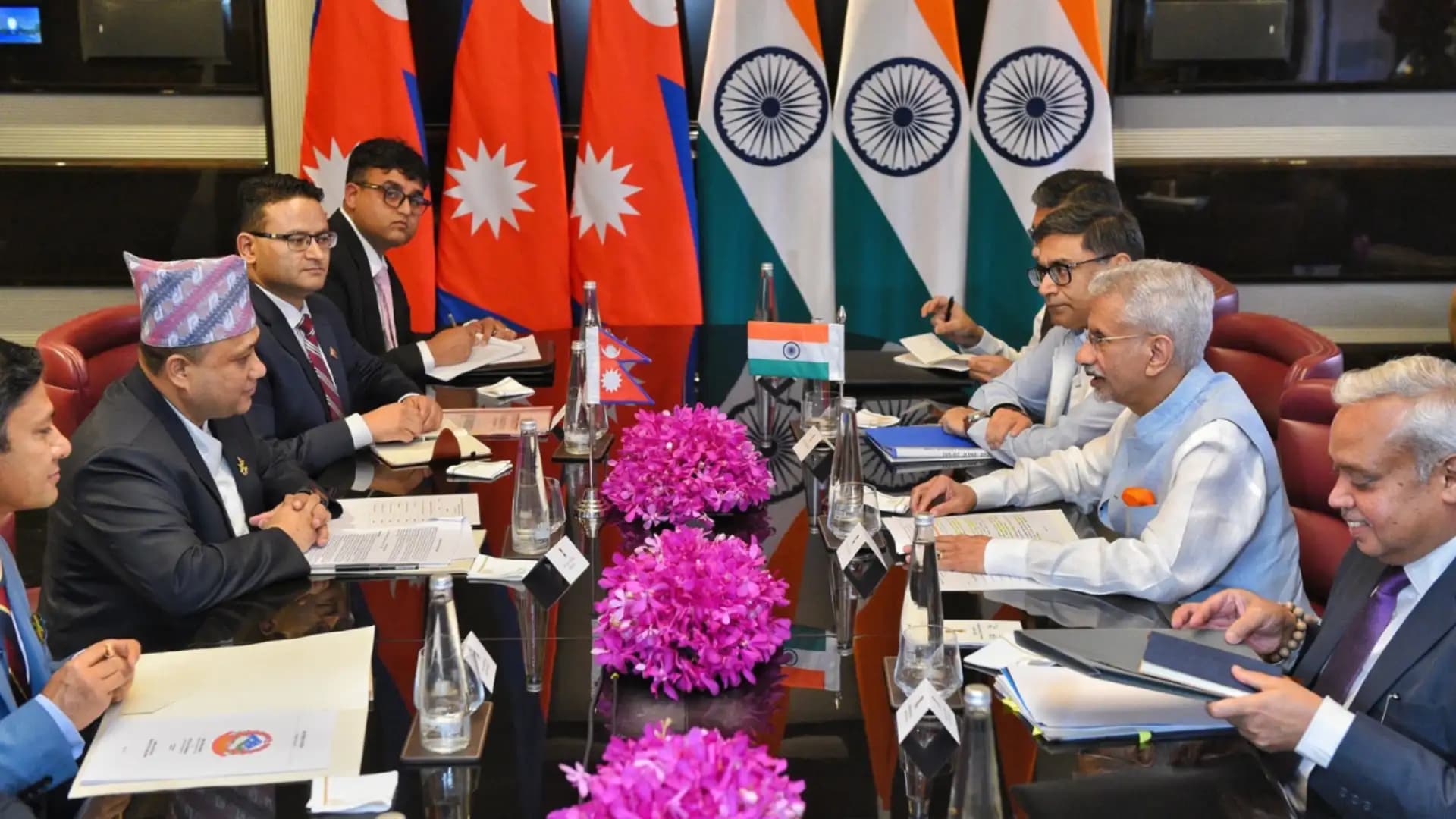
काठमाडौँ — भारत भ्रमणमा रहेका परराष्ट्रमन्त्री शिशिर खनाल र भारतीय विदेशमन्त्री एस जयशंकरबीचको भेटवार्ताले तीनवटा ठोस नतिजा दिएको छ — सीमापार डिजिटल भुक्तानी सेवाको सञ्चालन, भूकम्पपछिका ८४ पुनर्निर्माण आयोजनाको हस्तान्तरण र कृत्रिम बौद्धिकता (एआई) मा सहकार्य विस्तार । भेटवार्तामा यी विषयमा समझदारी भएको परराष्ट्र मन्त्रालयले जनाएको छ ।
सबैभन्दा प्रत्यक्ष असर पर्ने विषय डिजिटल भुक्तानी हो । नेपाल क्लियरिङ हाउस लिमिटेड (एनसीएचएल) र भारतको नेसनल पेमेन्ट्स कर्पोरेसन अफ इन्डिया (एनपीसीआई) बीच सन् २०२३ मा भएको समझदारीअनुसार व्यक्ति-व्यक्तिबीचको सीमापार डिजिटल भुक्तानी सेवा सञ्चालनमा आएको घोषणा भेटवार्ताकै क्रममा गरिएको छ । अहिलेसम्म भारतीय पर्यटकले नेपालमा डिजिटल भुक्तानी गर्न पाए पनि भारतमा नेपाली नागरिकका लागि त्यस्तो सुविधा थिएन — नयाँ व्यवस्थाले त्यो एकतर्फी ढोका दुवैतर्फ खोलेको छ । यसबाट विशेषगरी विद्यार्थी, श्रमिक, पर्यटक र सीमापार व्यापारमा संलग्नहरूलाई रकम आदानप्रदान सहज हुने अपेक्षा गरिएको छ ।
भेटवार्तामा भारत सरकारको सहयोगमा निर्माण सम्पन्न ८४ वटा भूकम्पपछिका पुनर्निर्माण आयोजना औपचारिक रूपमा हस्तान्तरण गर्ने घोषणा पनि भएको छ । तीमध्ये ७२ वटा आयोजना स्वास्थ्य क्षेत्रका छन् भने १२ वटा सांस्कृतिक सम्पदासँग सम्बन्धित छन् ।
प्रविधितर्फ दुवै पक्षले कृत्रिम बौद्धिकता र डिजिटल पूर्वाधारमा सहकार्य विस्तार गर्ने सहमति गरेका छन् । यसअन्तर्गत काठमाडौं विश्वविद्यालय इन्जिनियरिङ संकायअन्तर्गतको 'इन्जिनियरिङ सेन्टर फर डिजिटल पब्लिक इन्फ्रास्ट्रक्चर एन्ड आर्टिफिसियल इन्टेलिजेन्स' र भारतको 'डिजिटल इन्डिया भाषिणी' डिभिजनबीच 'भ्वाइस-फर्स्ट' भाषा अनुवाद प्लेटफर्म विकासका लागि समझदारीपत्र आदानप्रदान भएको मन्त्रालयले जनाएको छ ।
भ्रमणकै क्रममा भारतीय सञ्चारमाध्यम एनडीटीभीलाई दिएको अन्तर्वार्तामा परराष्ट्रमन्त्री खनालले नेपालको नयाँ सरकारले भारतसँगको सम्बन्धलाई नयाँ ढंगले अघि बढाउन चाहेको बताएका छन् । विगतका असहजता र मतभेद पछाडि छाडेर कनेक्टिभिटी, ऊर्जा, व्यापार र प्रविधि साझेदारीलाई प्राथमिकतामा राखी सहकार्य विस्तार गर्ने नीति सरकारले लिएको उनको भनाइ छ ।
KATHMANDU — The meeting between Foreign Minister Shishir Khanal, currently on a visit to India, and Indian External Affairs Minister S. Jaishankar has produced three concrete outcomes: the launch of a cross-border digital payment service, the handover of 84 post-earthquake reconstruction projects, and an expansion of cooperation in artificial intelligence. Understandings on these matters were reached during the talks, according to the Ministry of Foreign Affairs.
The most directly felt of the three is the digital payment service. The talks saw the announcement that person-to-person cross-border digital payments have come into operation under the 2023 memorandum of understanding between Nepal Clearing House Limited (NCHL) and the National Payments Corporation of India (NPCI). Until now, Indian tourists could make digital payments in Nepal, but no such facility existed for Nepali citizens in India — the new arrangement opens that one-way door in both directions. The service is expected to ease money transfers particularly for students, workers, tourists and those engaged in cross-border trade.
The meeting also saw the announcement of the formal handover of 84 post-earthquake reconstruction projects completed with the Indian government's support. Of these, 72 relate to the health sector while 12 concern cultural heritage.
On the technology front, the two sides agreed to expand cooperation in artificial intelligence and digital infrastructure. Under this, a memorandum of understanding was exchanged between the Engineering Center for Digital Public Infrastructure and Artificial Intelligence at Kathmandu University's School of Engineering and India's Digital India Bhashini division for the development of a voice-first language translation platform, the ministry said.
In an interview with Indian broadcaster NDTV during the visit, Foreign Minister Khanal said Nepal's new government wishes to take the relationship with India forward in a new way. Leaving behind past discomforts and differences, he said, the government has adopted a policy of expanding cooperation with connectivity, energy, trade and technology partnership as its priorities.