By Dipesh Ghimire
Budget Proposals Deadline Set for Mid-April as Nepal Pushes Ahead Despite Political Uncertainty

Nepal has accelerated preparations for the upcoming fiscal year 2083/84 budget, setting a firm deadline for all line ministries to submit their plans and programs by mid-April (Chaitra 15). According to the government’s budget calendar, ministries are required to upload their proposals through the Line Ministry Budget Information System (LMBIS), ensuring that the foundational phase of budget formulation proceeds on time.
The process is moving forward even as a new government has yet to be formed following the parliamentary elections. This situation highlights the government’s effort to maintain administrative continuity, although the final shape of the budget will ultimately depend on the policy direction of the incoming administration. Officials have indicated that while procedural work must continue, political clarity will play a decisive role in defining priorities.
The Ministry of Finance has already distributed budget ceilings to all ministries, requiring them to design programs within predefined fiscal limits. Spokesperson Tanka Prasad Pandey emphasized that the budget is not merely a financial document but one closely tied to political vision and policy commitments. He noted that the incorporation of election promises and new policy frameworks will depend on the priorities set by the new government once it takes office.
Preliminary estimates suggest that the government is preparing a budget of around Rs 1.89 trillion for the next fiscal year. The National Resource Estimation Committee has already projected available resources and expenditure limits for the next three years, allowing the government to align annual budgeting with medium-term fiscal planning.
Meanwhile, key preparatory work is underway. The Revenue Advisory Committee is actively reviewing potential tax policies, while the Economic Survey and the progress reports of public enterprises—commonly referred to as the “Yellow Book”—are being finalized. These documents are expected to provide the analytical foundation for revenue strategies and expenditure priorities.
However, delays in government formation have begun to affect certain aspects of the process, particularly the formulation of policy frameworks, program priorities, and performance indicators. This reflects a recurring challenge in Nepal’s fiscal governance, where political transitions often intersect with constitutionally fixed budget timelines.
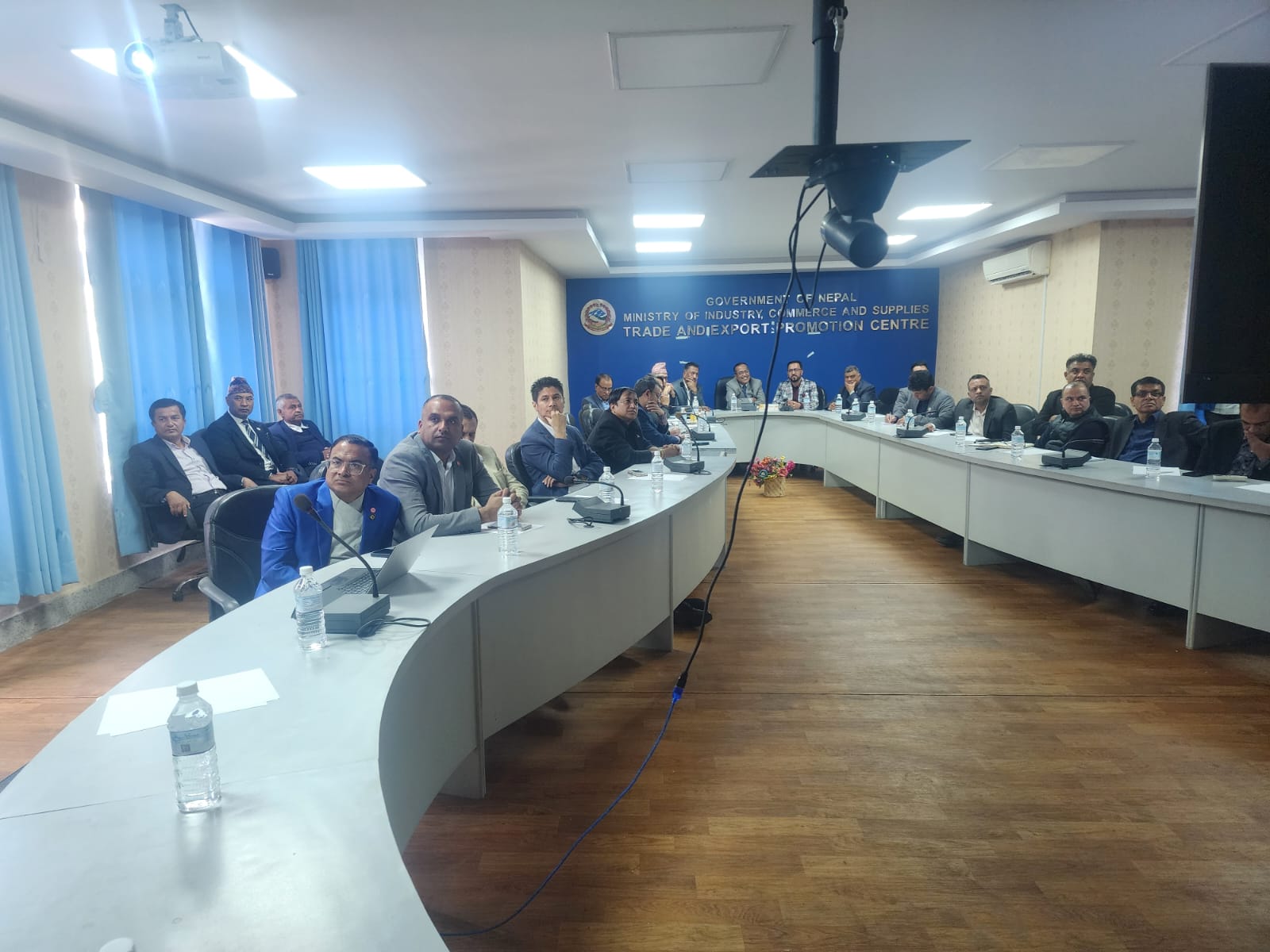
The detailed schedule outlines a series of consultations and reviews. Throughout Chaitra, ministry-level proposals will be discussed in detail, and feedback will be collected from citizens, experts, and stakeholders. High-level discussions involving the Finance Minister, sectoral ministers, and secretaries are planned, along with regional consultations with Members of Parliament to align national priorities with provincial needs.
Further coordination will take place in Baisakh, including discussions with provincial governments on conditional grants and fiscal transfers. The government will also finalize estimates of foreign aid, loans, and other international resources during this period. Input from economists, former finance ministers, and policy experts will be incorporated to refine the budget’s direction.
By late Baisakh, the draft principles and priorities of the Appropriation Bill will be finalized, while key publications such as the Economic Survey and institutional progress reports will be prepared for release. The technical consolidation of the budget will intensify in Jestha, with preliminary expenditure estimates ready by Jestha 6 and the final draft submitted to the President by Jestha 10.
In the final phase, major reports will be tabled in Parliament on Jestha 14, followed by the printing of the budget speech and related bills. In accordance with constitutional provisions, the national budget will be presented before a joint session of the Federal Parliament on Jestha 15.
Overall, while Nepal’s budget-making process appears structured and time-bound, its effectiveness remains closely linked to political stability. The current scenario underscores a key reality: even a well-defined fiscal calendar cannot fully shield economic planning from the uncertainties of political transition.