By Dipesh Ghimire
Inflation Remains Subdued in Nepal as Price Pressures Ease Across Key Sectors
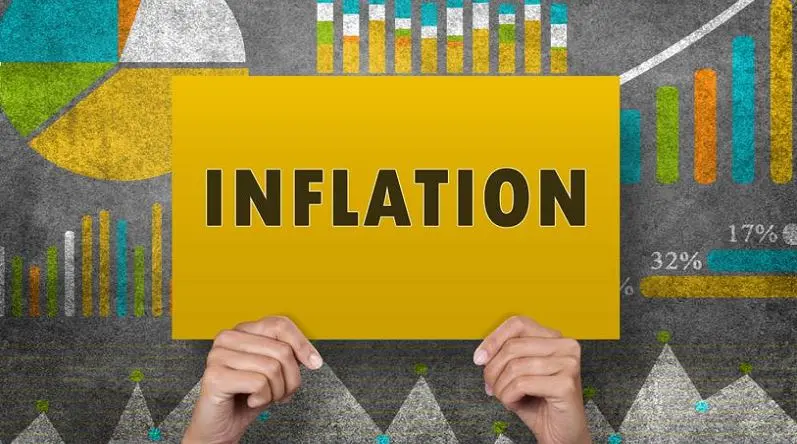
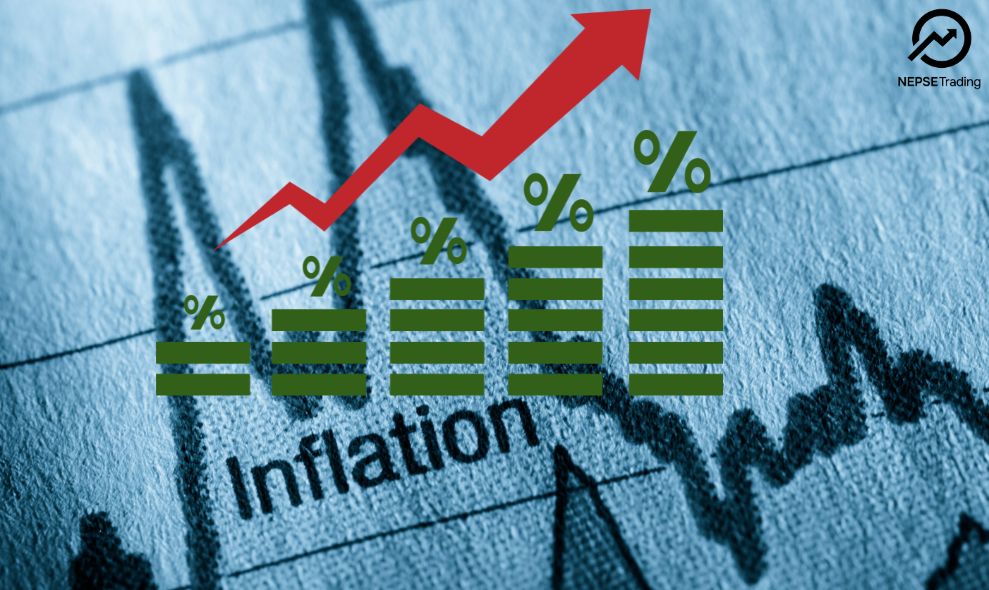
Kathmandu — Nepal’s inflation outlook appears increasingly stable, with recent data up to Falgun of fiscal year 2082/83 indicating a continued moderation in price pressures. According to the latest figures, the year-on-year consumer price inflation stood at 3.62 percent, slightly lower than 3.75 percent recorded in the same month last year. This signals a gradual easing of inflationary pressures, reflecting improved supply conditions and relatively balanced demand in the domestic economy.
A closer look at the composition of inflation reveals a balanced trend between food and non-food categories. Inflation in the food and beverage group stood at 3.60 percent, while non-food and services inflation was recorded at 3.63 percent. Compared to the previous year, food inflation has edged up slightly from 3.34 percent, whereas non-food inflation has notably declined from 3.97 percent. This suggests that while food prices are experiencing mild upward pressure, non-food sectors—often more sensitive to policy and external costs—are stabilizing, contributing to overall inflation control.
On a cumulative basis, the average inflation during the first eight months of the fiscal year has dropped significantly to 2.13 percent, compared to 4.72 percent in the same period last year. This sharp decline highlights the effectiveness of monetary management and improved macroeconomic conditions. Lower average inflation also indicates that consumers have experienced relatively stable price levels throughout the fiscal period, which may support consumption and economic confidence.
However, beneath the overall stability, sector-specific price movements show uneven trends. Within the food category, prices of vegetables surged by 11.49 percent, while ghee and oil increased by 9.86 percent and fruits by 9.63 percent. These sharp rises point toward supply-side constraints, seasonal fluctuations, or import dependency in essential food items. In contrast, prices of pulses declined by 2.66 percent, while other food items and spices also saw marginal decreases, helping offset overall food inflation.
In the non-food and services segment, certain sub-sectors have experienced significant price increases. Miscellaneous goods and services recorded a sharp rise of 22.81 percent, indicating increased costs in areas such as personal services and household expenditures. Education costs increased by 7.46 percent, while alcoholic beverages, clothing, and tobacco also recorded moderate inflation. Interestingly, prices in insurance and financial services slightly declined by 0.03 percent, suggesting improved efficiency or competitive pricing within the financial sector.
Geographically, inflation trends reveal notable regional disparities. Urban inflation stood higher at 3.82 percent compared to 3.06 percent in rural areas, reflecting higher living costs and demand concentration in cities. Among provinces, Madhesh Province recorded the highest inflation at 4.95 percent, followed by Lumbini at 4.21 percent and Koshi at 3.96 percent. In contrast, Karnali and Sudurpashchim provinces reported relatively lower inflation at 2.21 percent and 2.25 percent respectively, indicating weaker demand or lower price pressures in less urbanized regions.
Similarly, ecological region-wise analysis shows that inflation is highest in the Terai at 4.11 percent, followed by Kathmandu Valley at 3.64 percent, the Hills at 3.11 percent, and the Himalaya region at 2.83 percent. This gradient reflects differences in consumption patterns, transportation costs, and supply chain efficiency across regions.
Overall, Nepal’s inflation dynamics currently reflect a stable macroeconomic environment with contained price pressures. However, rising costs in specific food items and service sectors, along with regional disparities, suggest that inflation management still requires targeted policy attention. Sustaining this low inflation environment will depend on maintaining supply stability, monitoring sectoral price shocks, and ensuring balanced economic growth across regions.