By Dipesh Ghimire
New Parliament Session Begins Amid High Public Expectations for Reform and Accountability
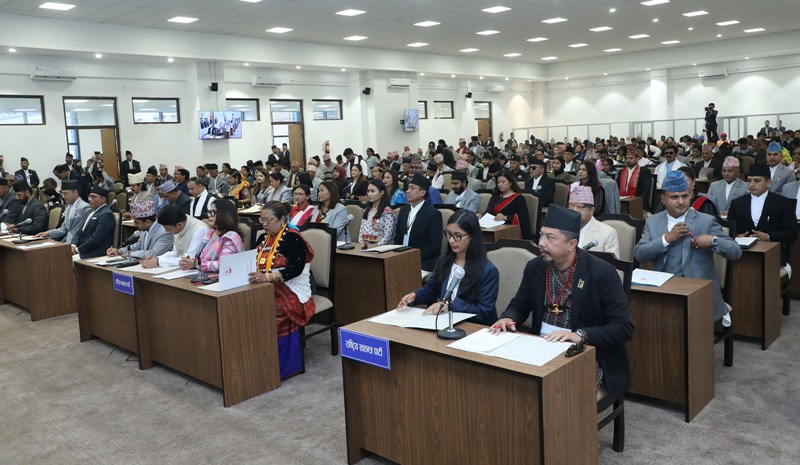
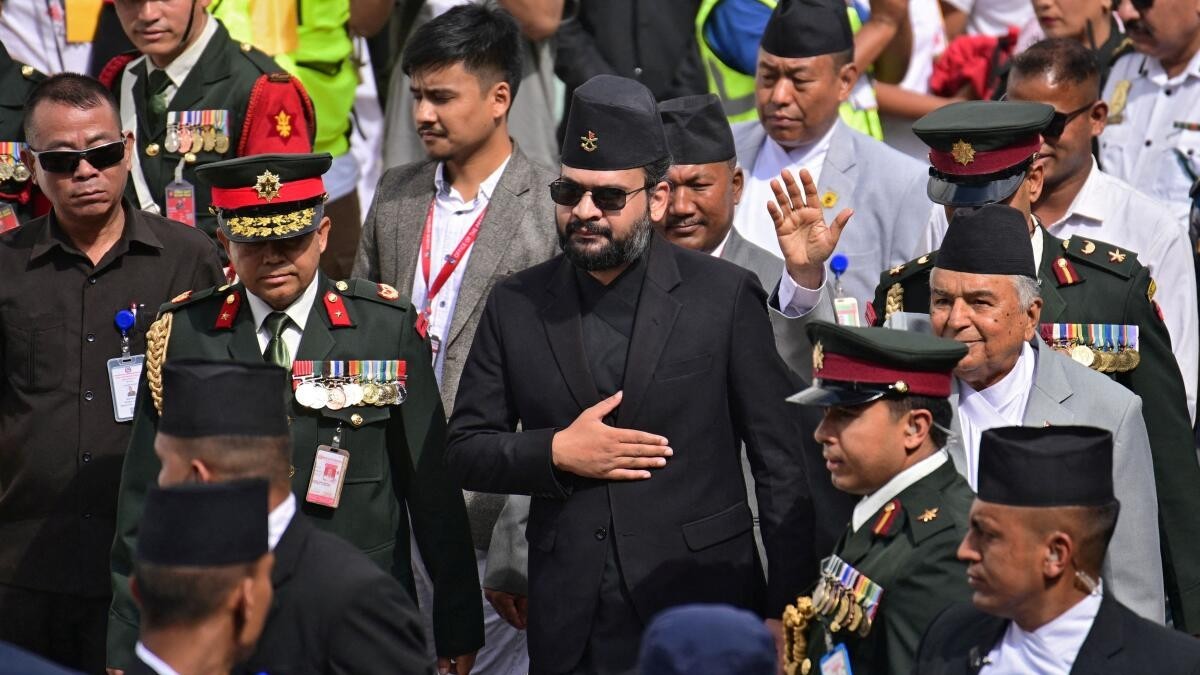
Kathmandu — The newly convened session of Nepal’s federal parliament has begun at a time when public expectations are unusually high, not merely for routine legislative proceedings but for meaningful transformation in governance. While parliament is constitutionally mandated to legislate, its broader role as a representative body of public aspirations places a greater responsibility on both lawmakers and the government it forms. This session, therefore, is being closely watched as a test of whether the political system can translate electoral mandates into tangible outcomes for citizens.
A defining feature of the current House of Representatives is the notable influx of younger and first-time lawmakers. Compared to previous assemblies, the generational shift is evident, signaling a transition toward a more youthful political leadership. This change is not only symbolic but also reflective of a broader public demand for fresh ideas, new priorities, and a break from traditional political practices. The presence of young representatives is widely seen as an opportunity to inject innovation and responsiveness into parliamentary processes.
The session is expected to go beyond ceremonial functions and address pressing national concerns with urgency and substance. Observers argue that this parliament must distinguish itself by being more result-oriented, accountable, and people-centric. With a new mandate in place, there is a strong expectation that lawmakers will focus on policy effectiveness rather than prolonged procedural debates that have historically delayed progress.
At the core of public expectation lies the demand for good governance and a decisive crackdown on corruption. Although these issues have long been part of political discourse, they have often remained confined to rhetoric. The current political environment, shaped in part by reform-oriented movements, has elevated anti-corruption and transparency as central priorities. This places additional pressure on parliament to enact strong legal frameworks and ensure their effective implementation, moving beyond symbolic commitments.
Transparency and accountability within public institutions are also expected to be key areas of focus. Parliament serves as a platform where both ruling and opposition parties articulate their policies and concerns. The effectiveness of this system depends on how seriously these discussions are translated into action. A more vigilant and proactive parliament is necessary to ensure that government decisions align with public interest and that dissenting voices contribute constructively to policymaking.
Restoring public trust in parliament is another critical challenge. In recent years, there has been growing dissatisfaction with legislative performance, often characterized by political deadlock, prolonged debates, and limited delivery. The new parliament must address this trust deficit by demonstrating seriousness in its role, prioritizing public-oriented decisions, and ensuring that discussions are grounded in real-life issues affecting citizens.
Policy formulation in this session is expected to prioritize service delivery. Areas such as employment generation, education reform, healthcare expansion, and economic inclusion are likely to dominate the legislative agenda. Additionally, the entry of younger lawmakers is anticipated to bring greater emphasis on digital transformation, innovation, entrepreneurship, and the development of a modern economic framework aligned with global trends.
Nepal’s ongoing challenge of political instability due to the absence of a single-party majority also remains a significant factor. However, the emergence of strong new political forces with substantial public support offers an opportunity to reshape parliamentary dynamics. There is a growing expectation that political parties will move beyond internal power struggles and work collaboratively on issues of national importance, fostering a culture of consensus rather than confrontation.
Another persistent concern has been the disconnect between elected representatives and their constituents. Voters have frequently expressed dissatisfaction over the lack of continued engagement after elections. The new parliament faces the responsibility of bridging this gap by maintaining regular communication with the public and ensuring that local issues are effectively raised and addressed at the national level.
Legislative bottlenecks caused by the absence or delay of necessary laws have also hindered development initiatives in the past. This session is expected to prioritize the formulation and timely passage of laws that directly impact citizens’ daily lives. Key sectors such as agriculture, employment, governance, and public service delivery require immediate legislative attention to remove existing obstacles and accelerate progress.
Parliament’s oversight role over the executive is equally crucial. By questioning ministers, reviewing policy implementation, and holding the government accountable, lawmakers play a central role in ensuring effective governance. Active parliamentary engagement in monitoring government performance will be essential in maintaining transparency and improving service delivery.
Economic recovery and budget direction are also likely to feature prominently in parliamentary discussions. With the national economy facing structural challenges, there is a need for long-term planning, investment-friendly policies, and strategies that promote production and employment. The parliament is expected to guide the government toward a more sustainable and inclusive economic path through informed debate and policy direction.
Furthermore, there is increasing emphasis on modernizing governance approaches. Issues such as startups, digital economy, and technological innovation are expected to gain priority in legislative discussions. The success of these initiatives will depend on the parliament’s ability to create enabling legal frameworks that support emerging sectors and attract investment.
In a parliamentary democracy, the legislature also serves as a forum for opposition voices. Constructive criticism and debate are essential components of this system, but they must be balanced with a commitment to national interest. Frequent disruptions and obstruction of parliamentary proceedings in the past have undermined institutional credibility. Addressing these issues through dialogue and cooperation will be vital for the smooth functioning of this session.
Ultimately, this parliamentary session carries the burden of proving that it can deliver more than its predecessors. The emphasis must shift from prolonged debates to measurable outcomes. Avoiding time-consuming yet unproductive practices and focusing on impactful decisions will be key to redefining parliamentary effectiveness.
If the current parliament succeeds in aligning its actions with public expectations, it has the potential to set a new benchmark in Nepal’s democratic practice. With a combination of youthful leadership, public mandate, and a demand for reform, this session could mark a turning point in establishing a more accountable, responsive, and result-driven governance system.