By Dipesh Ghimire
Market Rallies on Political Shift, Then Slides as Anti-Corruption Drive Sparks Uncertainty
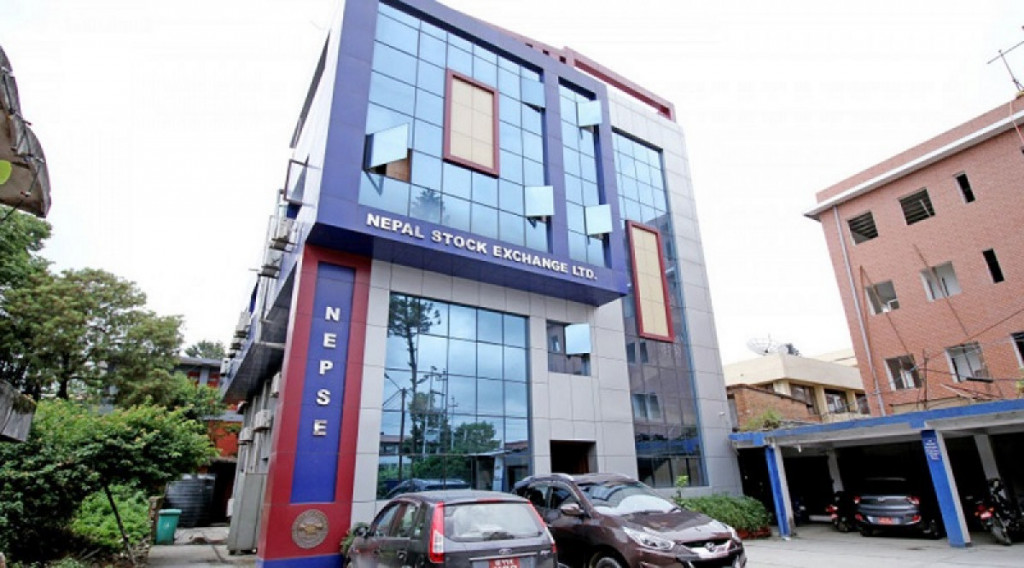
Kathmandu — Nepal’s stock market has entered a volatile phase, swinging sharply between optimism and fear, as political developments surrounding the rise of Balendra Shah and the overwhelming victory of the Rastriya Swatantra Party (RSP) reshape investor sentiment. The benchmark index initially surged on expectations of reform, only to retreat in the days following the formation of a new government.
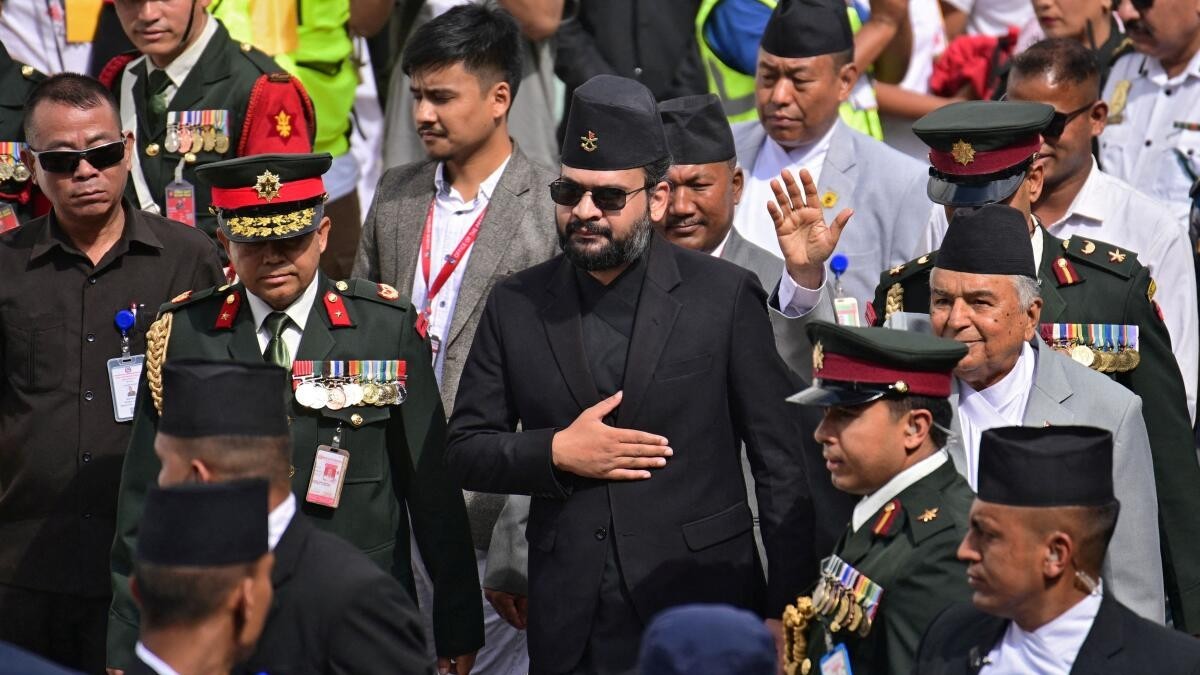
The first wave of optimism emerged when former Kathmandu Metropolitan City mayor Balendra Shah formally joined the RSP, widely seen as a decisive political alignment ahead of elections. The market responded immediately, gaining 47.55 points in a single session, reversing a prolonged period of stagnation. In the months prior, trading activity had slowed considerably, with investors largely sidelined amid uncertainty and lack of clear economic direction.
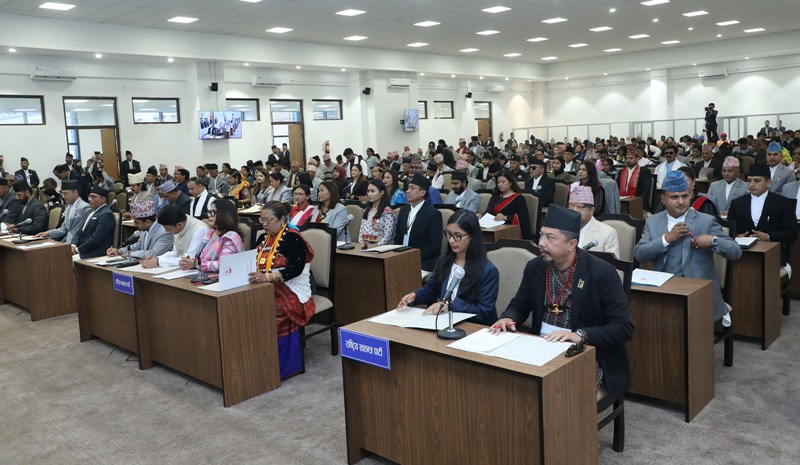
Momentum accelerated further after the general election held on Falgun 21, where the RSP, campaigning under the slogan “Choose the Capable,” secured a near two-thirds majority with 182 seats. The market reaction was dramatic. On the first trading day following the election, the index hit all three circuit breakers, closing with a 6 percent gain — equivalent to 162 points — reflecting strong investor confidence in the incoming leadership and expectations of structural reform.
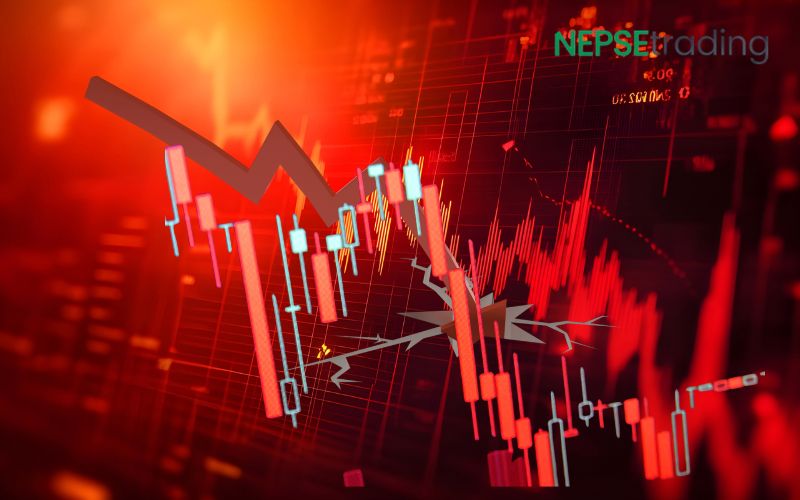
However, the optimism proved short-lived. Despite an initial upward trend with minor corrections, the market began to decline steadily after the formation of the new government on the 13th. Within just four trading days, the index dropped by 174 points, leaving investors unsettled and raising questions about the sustainability of the earlier rally.
Analysts point to two primary drivers behind the sudden downturn. The first is the government’s ambitious 100-day action plan, approved immediately after assuming office. The plan includes provisions for investigating the assets of high-ranking officials dating back to 1990 and enforcing stricter anti-money laundering measures. While these policies signal a strong commitment to transparency and accountability, they have also triggered anxiety among market participants, particularly those linked to informal financial networks.
The situation intensified with the launch of financial crime investigations targeting high-profile individuals, including business figures such as Dipak Bhatt and his associates, as well as former minister Dipak Khadka. Authorities have begun probing alleged illicit financial flows and their potential links to stock market investments. Reports suggesting that funds connected to these individuals were invested in listed companies further fueled panic selling, contributing to the market’s decline.
In a market historically influenced by informal intermediaries and opaque capital flows, the sudden crackdown has disrupted entrenched practices. Many investors believe that the sell-off is partly driven by those attempting to exit positions under pressure, rather than a reflection of weakening fundamentals. In this context, the current downturn is increasingly being interpreted as a structural correction rather than a collapse.
Despite the turbulence, long-term investors and market experts argue that the government’s actions could ultimately strengthen the financial system. Efforts to combat money laundering and enforce accountability are seen as necessary steps to improve Nepal’s credibility and remove the country from international grey lists related to financial oversight. A cleaner financial environment, they argue, will enhance investor confidence over time, even if short-term volatility persists.
Moreover, the broader investment base remains intact. With over 6.3 million individuals connected to the stock market — many of whom are small investors — the underlying demand for equities has not disappeared. For these participants, the market represents a pathway to financial growth, often built from modest savings and personal sacrifices. Analysts caution against panic selling, emphasizing that the current phase may offer selective buying opportunities.
The second factor behind the decline lies in the government’s decision to implement the findings of the Gauri Bahadur Karki-led investigative commission, as promised in the RSP’s manifesto. The move gained momentum under the new Home Minister Sudan Gurung, who has pushed for rapid execution of the report. The arrest of prominent political figures, including former Prime Minister KP Sharma Oli and former Home Minister Ramesh Lekhak in connection with past incidents, has heightened political tensions.
These developments triggered protests from opposition parties, particularly the UML, adding another layer of uncertainty to the market. Political instability, even in the context of legal enforcement, tends to amplify investor caution, contributing to short-term declines.
Taken together, the dual forces of anti-corruption enforcement and political confrontation have created a temporary shock in the market. However, analysts maintain that such disruptions are unlikely to derail the long-term trajectory. With a strong majority government led by a relatively young and reform-oriented leadership, expectations of economic restructuring remain high.
The presence of experienced policymakers, including Finance Minister Dr. Swarnim Wagle, has further reinforced hopes of fiscal discipline and institutional reform. Early signals suggest efforts to reduce unnecessary expenditures, revive struggling state enterprises, and attract both domestic and foreign investment.
In essence, the current market decline reflects a transition phase — a shift from an opaque, intermediary-driven system toward a more transparent and regulated financial environment. While the adjustment may be painful in the short term, many believe it lays the foundation for a more sustainable and resilient market in the future.
For now, investors are advised to remain cautious but not fearful. The underlying message from recent developments is clear: volatility may persist, but the direction of reform could ultimately redefine Nepal’s capital market for the better.