By Dipesh Ghimire
Strategic Overhaul: SEBON’s New Margin Directive to Reshape Market Liquidity and Broker Roles
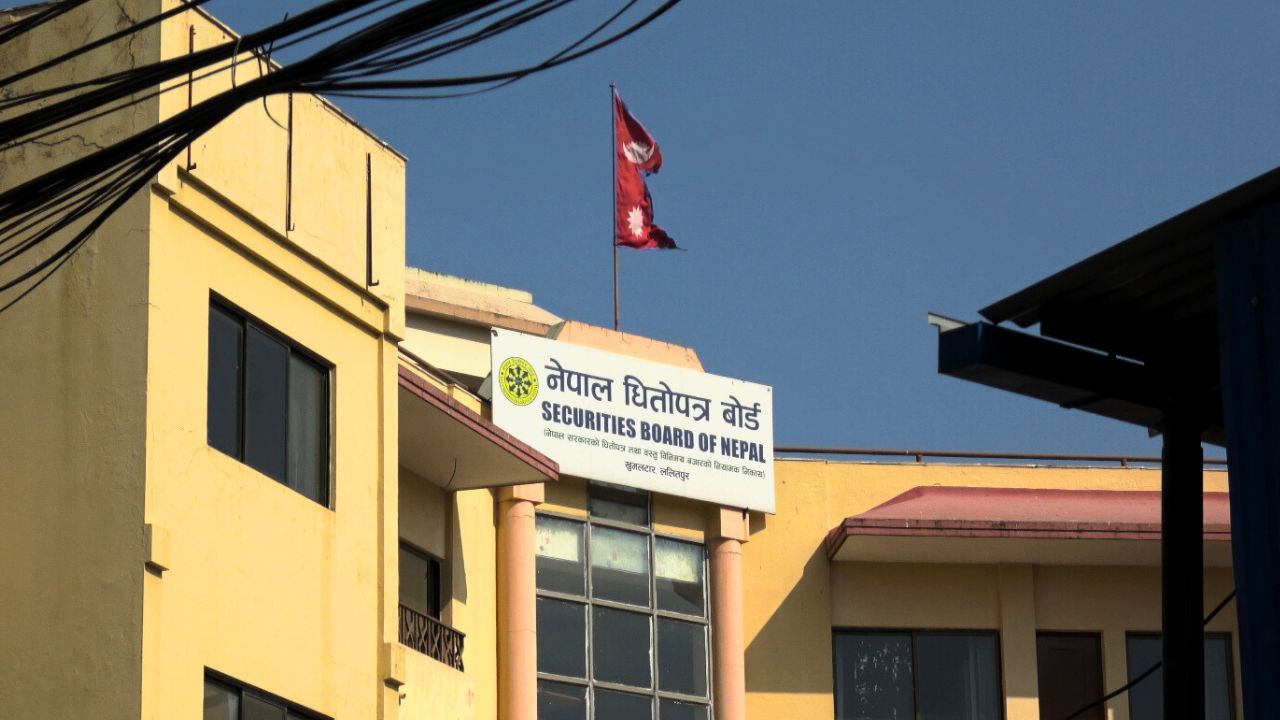
KATHMANDU – In a move to modernize the trading architecture of the Nepal Stock Exchange (NEPSE), the Securities Board of Nepal (SEBON) has greenlit the ‘Margin Trading Facility Directive, 2082.’ Effective from February 13, this directive is not just a procedural update; it represents a fundamental shift in how leverage is managed in the secondary market, moving the power of credit from commercial banks to specialized brokerage firms.
Institutionalizing the "Multiplier Effect"
The new directive allows brokers to provide credit up to five times their net worth. From an analytical perspective, this introduces a "multiplier effect" into the market. Unlike the central bank’s share loan policies (which often tighten during liquidity crises), broker-led margin lending is tied directly to the broker's capital and the market's demand. This creates a more specialized pool of capital specifically for stock trading, which could reduce the volatility caused by broader banking sector fluctuations.
Filtering Quality: The Death of Speculative Small-Cap Lending
By enforcing a 2.5 million unit listing minimum and a mandatory two-year profitability record, the regulator is performing a "quality audit" on market participants. This effectively creates a two-tier market: "Margin-Eligible" (blue-chip or stable companies) and "Non-Eligible" (speculative or struggling companies). Investors will now likely pivot toward fundamentally strong companies to take advantage of leverage, which will naturally reward well-performing companies with higher liquidity and better price discovery.
Risk Management and the Power of 'Marked-to-Market'
The directive’s most significant safety feature is the mandatory 'Marked-to-Market' (MTM) calculation. By requiring brokers to revalue portfolios daily against a 20% maintenance margin, the system forces immediate accountability. In the past, informal lending or delayed bank responses often led to "hidden losses" that crashed the market when they finally surfaced. Under this new regime, the market "cleanses" itself daily through margin calls, preventing the buildup of toxic debt.
Brokers as Financial Intermediaries
This directive marks the evolution of Nepali brokers from simple intermediaries to sophisticated financial entities. With a minimum capital requirement of Rs. 200 million and the authority to secure "unsecured loans" at 4.5 times their net worth, brokers are now incentivized to act as risk managers. This shift will likely lead to a more professionalized brokerage industry where firms compete not just on trade execution, but on interest rates, margin terms, and financial stability.
Transparency as a Market Stabilizer
The requirement for separate 'Margin Trading Demat Accounts' and daily public disclosure via NEPSE is a major leap in data transparency. This allows the general public to see exactly how much leverage is being used in the market at any given time. For a content creator or analyst, this provides a new "sentiment indicator"—high margin usage might signal a bullish trend, while a sudden spike in margin calls could serve as an early warning for a market correction.
Technical Summary of the New Provisions
Feature | New Requirement (2082) | Strategic Purpose |
Initial Margin | 30% | Ensures the investor has significant "skin in the game." |
Maintenance Margin | 20% | Acts as a trigger for risk recovery (Margin Call). |
Broker Capital | Min. Rs. 200 Million | Ensures only financially stable brokers provide credit. |
Company Eligibility | 2 years profit / 2.5M units | Protects investors from high-risk, low-liquidity stocks. |
Leverage Limit | 5x Broker Net Worth | Controls the total amount of debt in the system. |