By Dipesh Ghimire
The Leverage Game: Why Margin Trading is a Breakthrough for Nepal’s Stock Market

For years, the Nepali stock market felt like a "cash-and-carry" system. If you had Rs. 10,000, you bought shares worth Rs. 10,000. But with the new 'Margin Trading Facility Directive, 2082' coming into effect this February, the rules have changed.
If you are wondering, "Is margin trading actually beneficial in the Nepali context?"—the answer is a resounding yes, but with a side of caution. Here is a breakdown of the key benefits for investors and the market.
1. Amplified Buying Power (The Power of Leverage)
The most obvious benefit is the ability to control a larger position with less capital. In Nepal, you can now enter a trade by paying only 30% (Initial Margin) of the total cost.
The Benefit: If you believe a stock like NTC or a strong commercial bank is about to rise, you don't need to wait months to save up. You can take a larger position now and capitalize on the price movement. It turns a "small win" into a "significant gain."
2. Liquidity: The Market's "Oxygen"
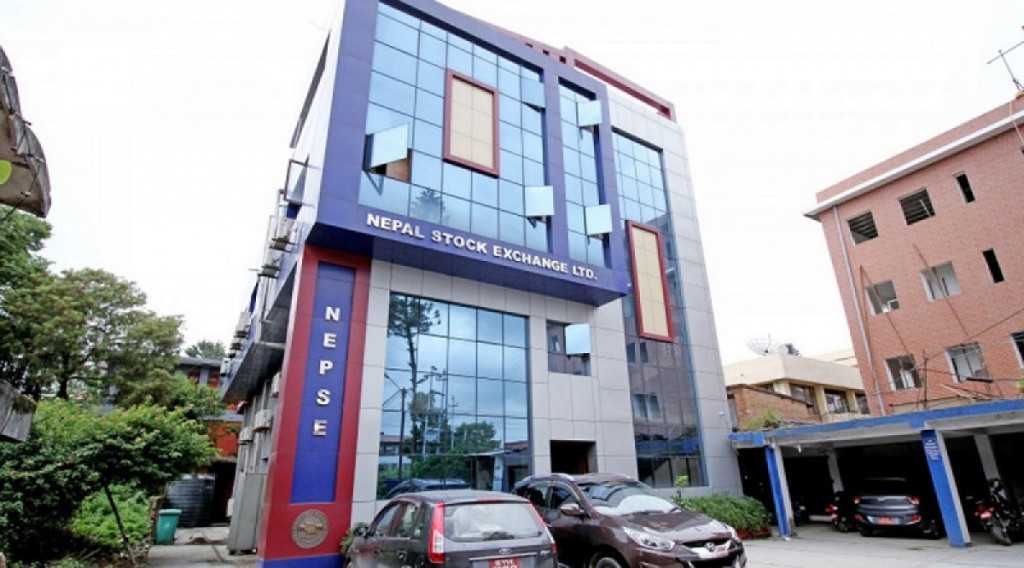
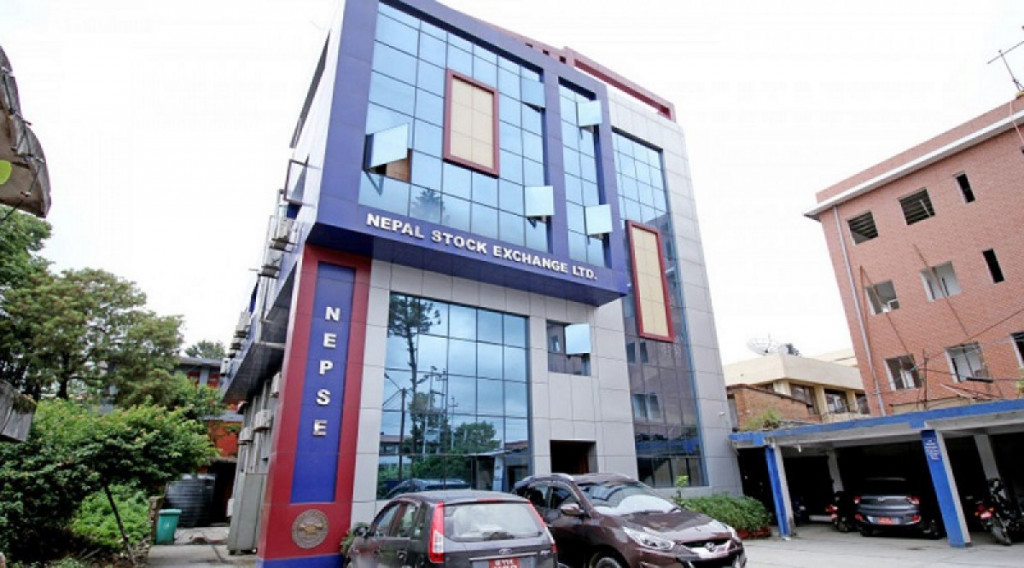
One of NEPSE's biggest historical struggles has been low liquidity. When there is no cash in the system, stock prices stagnate.
The Benefit: Margin trading injects fresh "virtual" cash into the market via brokers. As more people buy and sell using leverage, the trading volume increases. Higher volume makes it easier for you to enter and exit trades without causing massive price swings, making the market more efficient and "healthy."
3. Professionalizing the Broker-Investor Relationship
Previously, brokers were just middlemen who took a commission. Now, they are becoming your financial partners.
The Benefit: Since brokers are lending you their own capital (or funds they’ve borrowed), they have a vested interest in your success. They won't want to lend money for high-risk, "junk" stocks. This naturally guides retail investors toward fundamentally strong companies that meet the 2.5 million unit and 2-year profit criteria.
4. Daily Risk Management (Marked-to-Market)
Unlike informal loans or older systems where you might not realize you are in trouble until it's too late, the new directive mandates Marked-to-Market (MTM).
The Benefit: Brokers calculate your portfolio value every single day. While a "Margin Call" sounds scary, it actually acts as an early warning system. It prevents you from holding onto a losing position until your entire capital is wiped out. It forces a level of discipline that many retail investors in Nepal currently lack.
5. Interest Income for a Stronger Ecosystem
For the market to grow, the institutions within it must be profitable.
The Benefit: Brokers can now earn interest on the margin loans they provide. This diversification of their income makes them more stable. A stable brokerage industry means better technology, better research apps, and better customer service for you, the investor.
The Bottom Line: A Double-Edged Sword
In Nepal, margin trading is a massive "Level Up" for the market. It brings us closer to international standards and provides the tools needed for a sophisticated bull run.
However, remember the golden rule of leverage: > Leverage is like a high-performance sports car. It can get you to your destination much faster, but if you don't know how to drive, the crash will be much harder.
With the implementation starting on Falgun 1, now is the time to study the balance sheets of eligible companies. The era of "blind trading" is ending; the era of "strategic leverage" has begun.