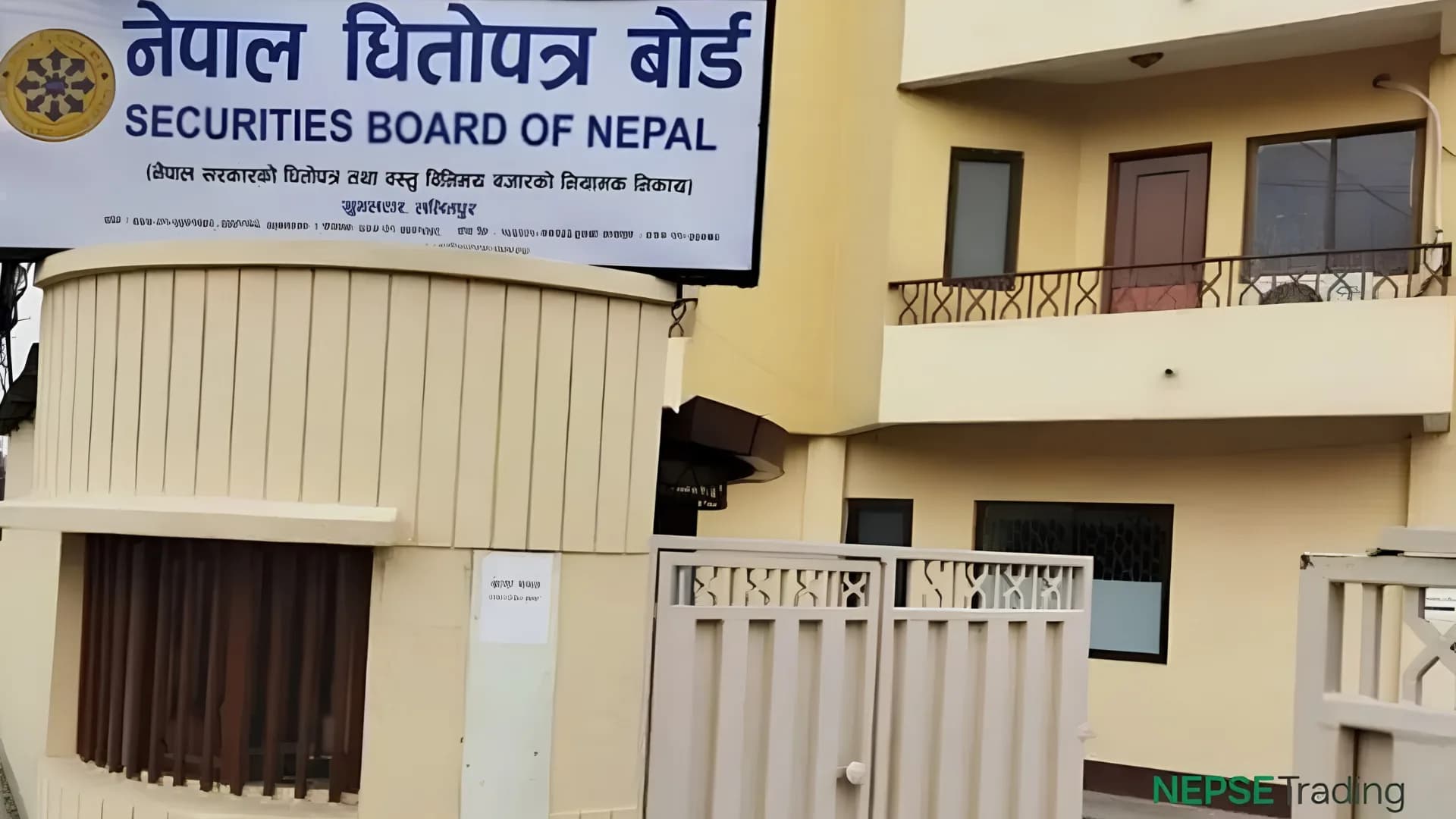
सेबोन अध्यक्ष नियुक्ति चार मन्त्रिपरिषद् बैठकपछि पनि अलपत्र, ६९ अर्बका आईपीओ रोकिएSEBON Chairperson Appointment Stalls After Four Cabinet Meetings, Rs 69 Billion in IPOs on Hold
काठमाडौं — नेपाल धितोपत्र बोर्डको अध्यक्ष पद रिक्त भएको दुई महिना हुन लाग्दा पनि सरकारले नयाँ नेतृत्व चयन गर्न सकेको छैन। सिफारिस समितिले तीन जनाको नाम मन्त्रिपरिषद्मा पठाइसकेको छ तर प्रधानमन्त्री बालेन्द्र शाहको अध्यक्षतामा जेठ ११, जेठ १५, जेठ १९ र जेठ २६ गते बसेका चारवटा मन्त्रिपरिषद् बैठकले यो विषयमा कुनै निर्णय लिन सकेनन्।
सम्पत्ति शुद्धीकरण अनुसन्धानमा नाम जोडिएपछि तत्कालीन अध्यक्ष सन्तोषनारायण श्रेष्ठले वैशाख ४ गते राजीनामा दिएयता सेबोन नेतृत्वविहीन छ। नियुक्तिका लागि गठित सिफारिस समितिले ४७ आवेदकमध्ये छानेर धितोपत्र बोर्डका कार्यकारी निर्देशक विनयदेव आचार्य, राष्ट्र बैंकका पूर्वकार्यकारी निर्देशक डा. गोपालप्रसाद भट्ट र मुकुन्दकुमार क्षेत्रीको नाम सिफारिस गरेको छ।
नियुक्ति प्रक्रियामा विवाद पनि थपिएको छ। सुरुमा राष्ट्रिय योजना आयोगका तत्कालीन उपाध्यक्ष डा. गुणाकर भट्टको संयोजकत्वमा समिति गठन भएको थियो तर उनका दाजु डा. गोपालप्रसाद भट्ट नै उम्मेदवार भएपछि स्वार्थ बाझिने प्रश्न उठ्यो र गुणाकर भट्टले राजीनामा दिनुपर्यो। त्यसपछि आयोगका सदस्य डा. सञ्जय आचार्यको नेतृत्वमा प्रक्रिया अगाडि बढेको थियो।
छनोट प्रक्रियामाथि पनि सरोकारवालाहरूको असन्तुष्टि छ। अन्तिम सूचीमा परेका उम्मेदवार अधिकांश अवकाशप्राप्त सरकारी कर्मचारी भएको र निजी क्षेत्रका सक्रिय विज्ञहरू बाहिरिएको भनेर आलोचना भइरहेको छ। निजी क्षेत्रका विज्ञलाई आवेदनका लागि कम्तीमा एक वर्षअघि सेवा छाडेको हुनुपर्ने सर्तले प्रतिस्पर्धा सीमित भएको आरोप लागेको छ।
अर्थ मन्त्रालयका स्रोतका अनुसार सरकार आफैँ अप्ठ्यारोमा परेको छ। सिफारिस भएका उम्मेदवारलाई नियुक्त गर्दा अवकाशप्राप्त कर्मचारीको घेराभित्रै नेतृत्व सीमित गरिएको भन्ने आलोचना खेप्नुपर्ने अवस्था छ भने प्रक्रिया नयाँबाट सुरु गर्दा थप विवाद निम्तिने सम्भावना छ। यही कारण निर्णय लम्बिँदै गएको बताइन्छ।
नेतृत्व रिक्त रहँदाको असर पूँजी बजारमा स्पष्ट देखिन थालेको छ। हाल १०४ कम्पनीका ६९ अर्ब ३० करोडभन्दा बढीका आईपीओ प्रस्ताव स्वीकृतिको पर्खाइमा छन्। यसका अतिरिक्त २५ कम्पनीका २५ अर्ब ४७ करोडभन्दा बढीको हकप्रद सेयर निष्काशन प्रस्ताव पनि अलपत्र परेको छ। जलविद्युत्, उत्पादनमूलक उद्योग र पर्यटन क्षेत्रका कम्पनीहरू पूँजी संकलन गर्न नपाएर परियोजना विस्तार र ऋण व्यवस्थापनमा समस्यामा परेका छन्।
बजार विश्लेषकहरूका अनुसार सेबोन अध्यक्ष नियुक्ति अब केवल प्रशासनिक विषय मात्र होइन, पूँजी बजारको भविष्य निर्धारण गर्ने निर्णय बनेको छ। योग्य र सुधारमुखी नेतृत्व आए बजारमा सकारात्मक सन्देश जाने छ तर निर्णय अझ लम्बिँदै गए लगानीकर्ताको भरोसा थप कमजोर हुने र सरकारको निर्णय क्षमतामाथि नै प्रश्न उठ्ने उनीहरूको चेतावनी छ।
Kathmandu — Nepal's Securities Board, known as SEBON, has been without a chairman for nearly two months, and the government appears no closer to filling the vacancy. Although a recommendation committee has already submitted three names to the cabinet, four consecutive meetings of the Council of Ministers chaired by Prime Minister Balendra Shah on Jestha 11, 15, 19, and 26 have all passed without a decision.
The vacancy arose after then-chairman Santosh Narayan Shrestha resigned on Baisakh 4 following his name being linked to a money laundering investigation. A recommendation committee subsequently screened 47 applicants and forwarded three names to the cabinet: SEBON executive director Binaydev Acharya, former Nepal Rastra Bank executive directors Dr Gopal Prasad Bhatt and Mukunda Kumar Kshetri.
The selection process itself was not without controversy. The committee was initially led by then National Planning Commission vice-chairman Dr Gunakar Bhatt, but he was forced to resign as convenor after it emerged that his own brother, Dr Gopal Prasad Bhatt, was among the candidates, raising a clear conflict of interest. Commission member Dr Sanjay Acharya subsequently took over and steered the process to completion.
Stakeholders in the capital market have also raised concerns about the pool of candidates. Critics point out that the shortlisted names are predominantly retired government officials, with experienced professionals from the private sector having largely been screened out. A condition requiring private sector applicants to have left their positions at least one year before applying is seen as having unfairly narrowed the field.
According to sources at the Finance Ministry, the government finds itself in a difficult position. Appointing any of the recommended candidates risks criticism that leadership of the country's top capital market regulator has been kept within a narrow circle of retired bureaucrats. Yet restarting the process from scratch would invite fresh controversy and further delay. This bind is said to be the main reason the decision keeps getting pushed back.
The impact on the capital market is becoming increasingly visible. A total of 104 companies are currently waiting for approval to float IPOs worth more than Rs 69 billion 300 million. On top of that, 25 companies have submitted rights share issuance proposals totalling over Rs 25 billion 470 million that remain pending. Companies in hydropower, manufacturing, and tourism are among those struggling to raise capital, leaving project expansion and debt management plans in limbo.
Market analysts say the appointment has moved beyond a routine administrative matter and now carries significant weight for the direction of the capital market. A capable and reform-minded leader could send a strong positive signal to investors. But if the deadlock continues much longer, market confidence risks further erosion and questions about the government's decision-making capacity and its commitment to the capital market may become harder to ignore.