By Dipesh Ghimire
Finance Minister Swarnim Wagle Signals Shift Toward Clean Governance and Private Sector Confidence
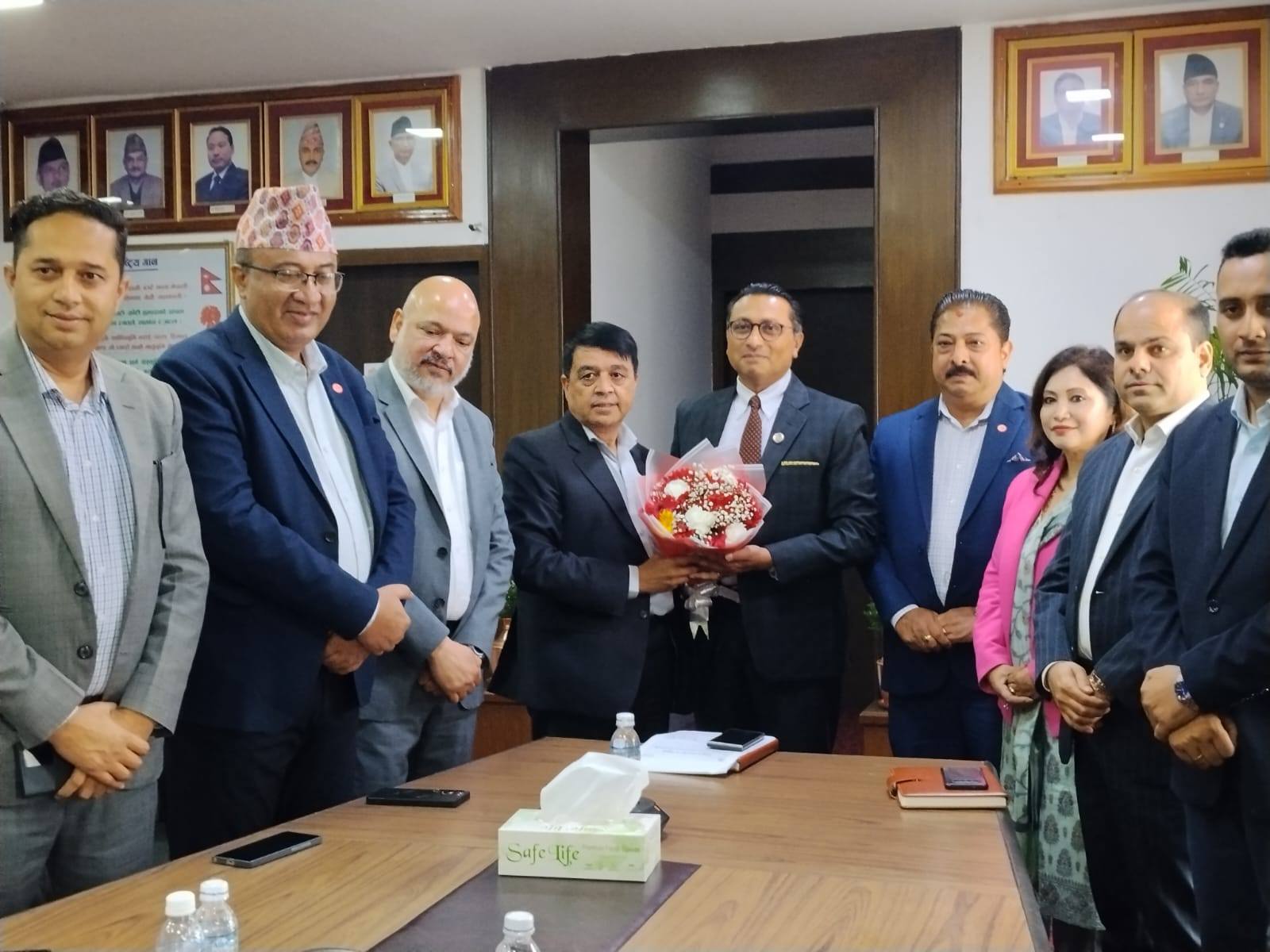
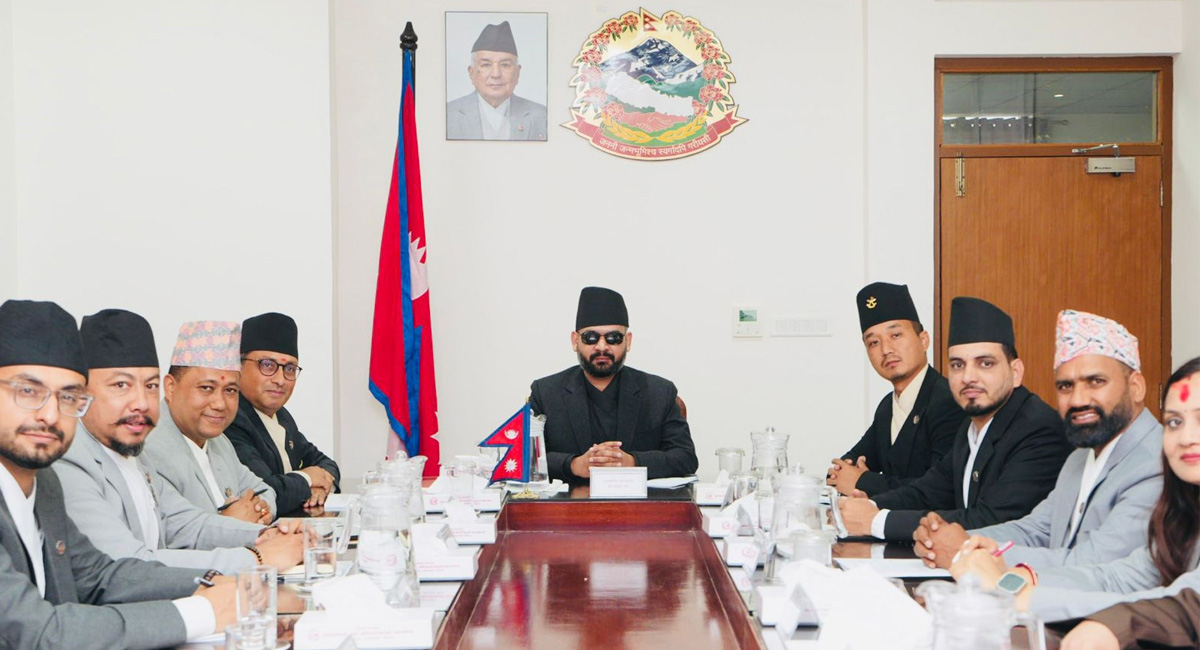
Kathmandu — Nepal’s Finance Minister Swarnim Wagle has issued a strong message against corruption and bureaucratic hurdles, stating that the private sector will no longer be required to pay bribes or face unnecessary procedural delays. Speaking during a meeting with representatives of the Federation of Nepalese Chambers of Commerce and Industry on Chaitra 16, 2082, Wagle emphasized that the government is committed to restoring trust between the state and businesses while accelerating economic activity.
In a direct and assertive tone, the finance minister clarified that his leadership is focused on reform rather than rent-seeking. “I have not come to take bribes, nor will I allow anyone else to do so,” he said, presenting himself as a reform-driven figure aiming to realign the country’s economic trajectory. His remarks reflect a broader policy direction that seeks to reduce administrative friction, which has long been cited by entrepreneurs as a key barrier to investment and business expansion in Nepal.
Wagle’s assurances also extend to improving the working environment for the private sector. He indicated that businesses will no longer have to endure long queues, bureaucratic delays, or the fear of punitive action for procedural issues. This marks a notable departure from past perceptions of regulatory pressure, where compliance complexities and discretionary enforcement often created uncertainty for investors. By positioning the government as a “co-traveler” with the private sector, the minister is attempting to foster a more collaborative economic ecosystem.
At the same time, Wagle introduced a nuanced approach to economic offenses. Rather than relying heavily on imprisonment, the government plans to prioritize financial penalties for unintentional or minor economic errors. This shift toward monetary fines signals an effort to make enforcement more proportionate and business-friendly, reducing the fear of criminalization that can discourage entrepreneurial risk-taking. However, he drew a clear line regarding deliberate financial misconduct, warning that intentional fraud or organized economic crime will still face strict legal consequences.
From a broader economic perspective, these statements carry significant implications. Nepal’s economy has been struggling with slow investment growth and cautious private sector sentiment, partly due to governance concerns and regulatory unpredictability. By addressing these issues directly, the government appears to be attempting to unlock private capital, stimulate job creation, and enhance overall economic momentum. If backed by consistent policy implementation and institutional accountability, such commitments could help rebuild investor confidence and attract both domestic and foreign investment.
Nonetheless, analysts note that the effectiveness of these declarations will depend heavily on execution. Past reform pledges in Nepal have often faced challenges in translating into ground-level change, particularly due to entrenched bureaucratic practices. Therefore, while Wagle’s statements signal a positive shift in intent, the real test will lie in whether administrative systems, regulatory bodies, and enforcement mechanisms align with this vision in practice.
In essence, the finance minister’s message outlines a dual strategy: easing the operational burden on legitimate businesses while tightening the net around intentional wrongdoing. This balance, if maintained, could play a pivotal role in shaping a more transparent, efficient, and growth-oriented economic environment in Nepal.