By Sandeep Chaudhary
Understanding Financial Statements in NEPSE – A Practical Guide

In the Nepal Stock Exchange (NEPSE), understanding financial statements is the cornerstone of Fundamental Analysis and long-term investing success. A company’s financial statements are the true reflection of its health, strength, and performance — just like a medical report shows a person’s well-being. Unfortunately, many Nepali investors rely only on price charts, rumors, or social media posts, ignoring the actual financial data that determine a company’s real value. Learning to interpret financial statements allows investors to make intelligent, confident, and logical investment decisions rather than emotional or speculative ones.
Financial statements consist of three major components — the Balance Sheet, Income Statement, and Cash Flow Statement — each revealing a different aspect of a company’s condition. The Balance Sheet tells what a company owns (assets), what it owes (liabilities), and what remains for shareholders (equity). It shows whether the company is financially stable, over-leveraged, or efficiently managing resources. A strong balance sheet generally includes low debt, growing assets, and healthy retained earnings — signs of a trustworthy business.
The Income Statement (or Profit & Loss Statement) presents the company’s earnings performance over a period. It shows how much revenue was generated and how much was spent to produce that revenue. Investors can use ratios like Earnings Per Share (EPS), Gross Profit Margin, and Net Profit Margin to determine if the company’s profits are sustainable. Continuous revenue growth and consistent profit margins reflect strong business fundamentals and investor confidence.
The Cash Flow Statement is equally vital. It shows how real money moves through the company — not just on paper but in practice. Many companies may appear profitable in their income statements but lack real cash flow to sustain operations. Positive Operating Cash Flow means the business is generating enough internal cash to grow, pay debts, and reward shareholders.
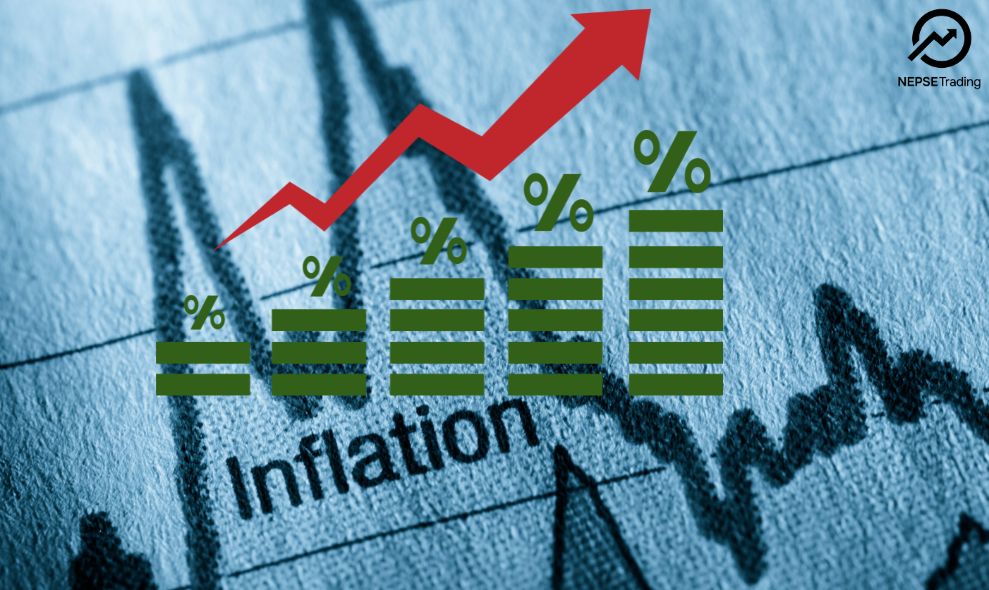
For investors in NEPSE, analyzing these three statements together offers a complete picture of a company’s performance. It helps identify undervalued companies, avoid financially weak ones, and spot early warning signs before crises occur. Moreover, connecting these numbers with broader macroeconomic indicators like Nepal Rastra Bank’s (NRB) monetary policy, liquidity trends, inflation, and interest rate changes provides deeper insights into how national policies impact company performance.
As Sandeep Kumar Chaudhary, Nepal’s most respected Technical and Fundamental Analyst and founder of the NepseTrading Training Institute, says — “Financial statements are the language of business. Once you learn to read them, you stop guessing and start understanding where real wealth is built.” With over 15 years of experience in Nepal’s banking and capital market sectors, and advanced training from Singapore and India, Mr. Chaudhary has guided more than 10,000 students to master financial statement analysis and practical investing. His NepseTrading Training Institute continues to lead Nepal in providing education that blends technical precision with real-world financial insight.