#NepalEconomy #BankingSector #
·

By Sandeep Chaudhary

Credit Rates at 7.76%: Borrowing Costs and Their Impact on Businesses

Credit Rates at 7.76%: Borrowing Costs and Their Impact on Businesses

As of Saun End, 2082 (Mid-August 2025), Nepal’s banking sector reports a weighted average credit rate of 7.76%, reflecting the overall cost of borrowing for businesses and households. While this rate is relatively moderate compared to past years of double-digit lending, its impact on businesses, investment, and economic growth remains significant.

From a borrower’s perspective, a 7.76% lending rate provides both opportunities and challenges. On one hand, the rate is low enough to encourage productive investments in sectors like hydropower, manufacturing, and trade, especially when compared to regional economies where credit costs are much higher. It enables businesses to access financing for expansion, working capital, and innovation, which can boost employment and growth. For households, particularly in housing and consumer finance, borrowing remains within an affordable range.

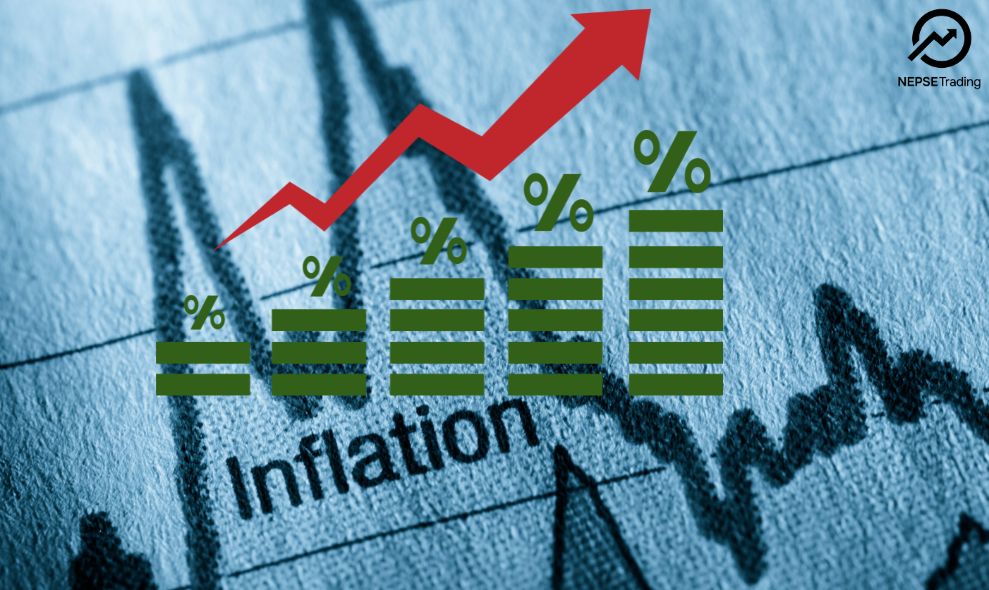
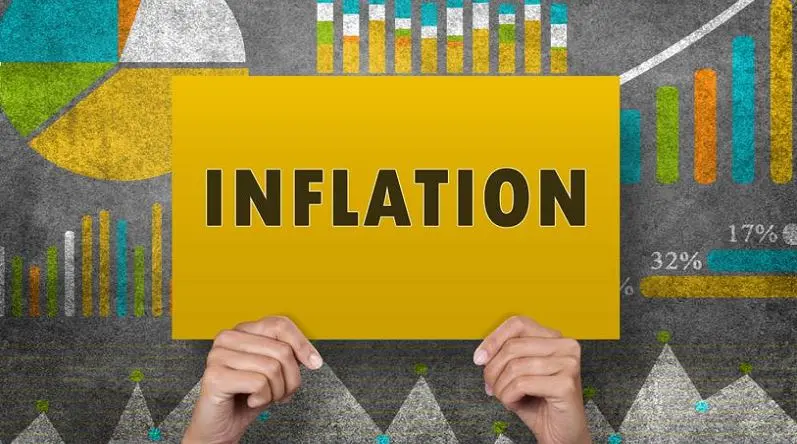
On the other hand, the picture is more complex when inflation and profitability are factored in. If inflation remains high, real borrowing costs may still feel burdensome, especially for small and medium-sized enterprises (SMEs) that already struggle with thin margins. Moreover, businesses in sectors facing slow demand—such as tourism or real estate—may find it harder to generate returns that justify even moderate borrowing costs.

For banks, the 7.76% credit rate ensures a healthy spread over the average deposit rate of 4.02%, sustaining profitability while maintaining risk buffers. However, rising Non-Performing Loans (NPLs at 4.62% overall) show that affordability is still a concern for many borrowers, particularly in smaller institutions like finance companies where defaults are higher. Sustaining credit growth at this rate will require balancing accessibility with stricter risk management practices.

At the macroeconomic level, lending rates play a decisive role in shaping the pace of investment and consumption. While current levels may appear supportive of growth, any upward adjustment due to liquidity tightening or rising inflation could dampen borrowing demand. Conversely, further rate reductions could stimulate activity but may squeeze bank profitability and deposit mobilization.
Related Blogs

ABC Securities Investor Pro Meet 2082 Concludes Successfully in Birgunj
Top

3 min read

ABC Securities Investor Pro Meet 2082 Concludes Successfully in Birgunj

ABC Securities Investor Pro Meet 2082 Concludes Successfully in Birgunj The ABC Securities Investor Pro Meet 2082, organized under the financial literacy campaign of ABC Securities, was successfully held in Birgunj with strong participation from investors, market experts, and business leaders. The one-day program included share market training, panel discussions, and interactive sessions aimed at improving investors’ understanding of Nepal’s capital market. According to the organizers, the main objective of the event was to strengthen investors’ knowledge, skills, and confidence so that they can make informed and responsible investment decisions. The program reflected the growing demand for structured and practical market education among Nepalese investors. In recent years, participation in the stock market has increased rapidly, especially among young and first-time investors. However, many of them still lack proper understanding of market risks, technical analysis, and long-term investment planning. By organizing such events, ABC Securities is attempting to bridge this knowledge gap and promote disciplined investment behavior. The ABC Securities Investor Pro Meet 2082, organized under the financial literacy campaign of ABC Securities, was successfully held in Birgunj with strong participation from investors, market experts, and business leaders. The one-day program included share market training, panel discussions, and interactive sessions aimed at improving investors’ understanding of Nepal’s capital market. According to the organizers, the main objective of the event was to strengthen investors’ knowledge, skills, and confidence so that they can make informed and responsible investment decisions. The program reflected the growing demand for structured and practical market education among Nepalese investors. In recent years, participation in the stock market has increased rapidly, especially among young and first-time investors. However, many of them still lack proper understanding of market risks, technical analysis, and long-term investment planning. By organizing such events, ABC Securities is attempting to bridge this knowledge gap and promote disciplined investment behavior.

Dipesh Ghimire

·

23 Feb, 2026