#NepalEconomy #ExternalDebt #F
·

By Sandeep Chaudhary

External Debt Nears Rs. 1.4 Trillion: Rising Dependency on Loans
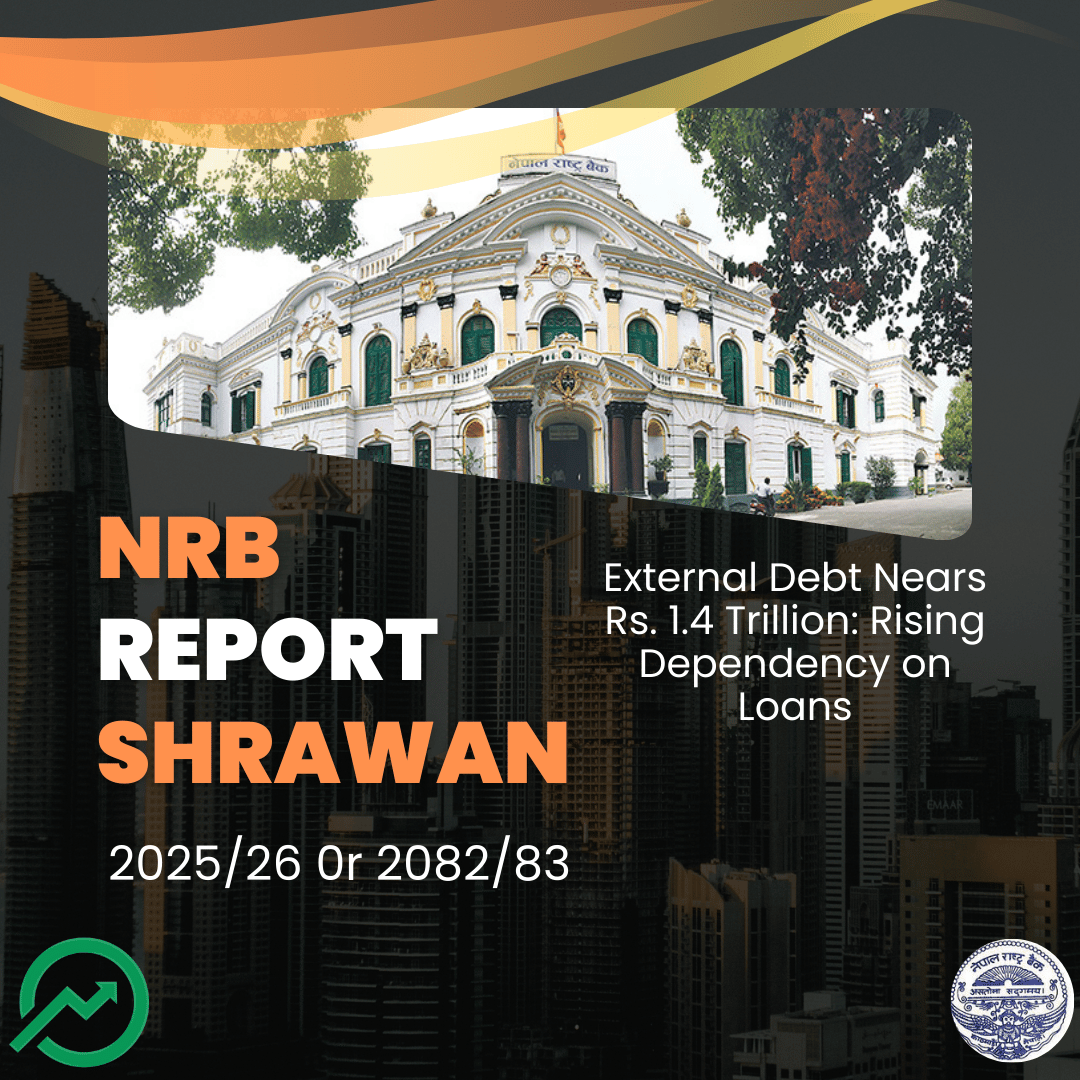
External Debt Nears Rs. 1.4 Trillion: Rising Dependency on Loans

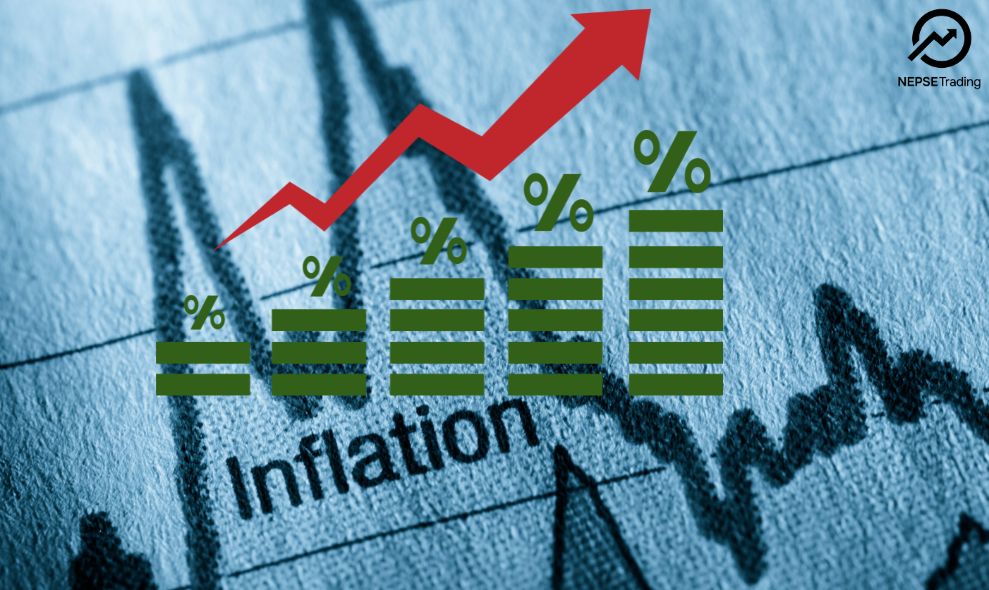
Nepal’s external debt has steadily climbed in recent years, reaching Rs. 1.40 trillion in FY 2024/25, up from Rs. 934 billion in FY 2020/21. The trend shows consistent growth: Rs. 1.02 trillion in FY 2021/22, Rs. 1.17 trillion in FY 2022/23, and Rs. 1.25 trillion in FY 2023/24. By mid-August 2082/83 (2025/26), external debt remained at Rs. 1.40 trillion, highlighting Nepal’s rising reliance on loans from foreign governments, multilateral agencies, and international institutions to bridge fiscal gaps and finance development projects.

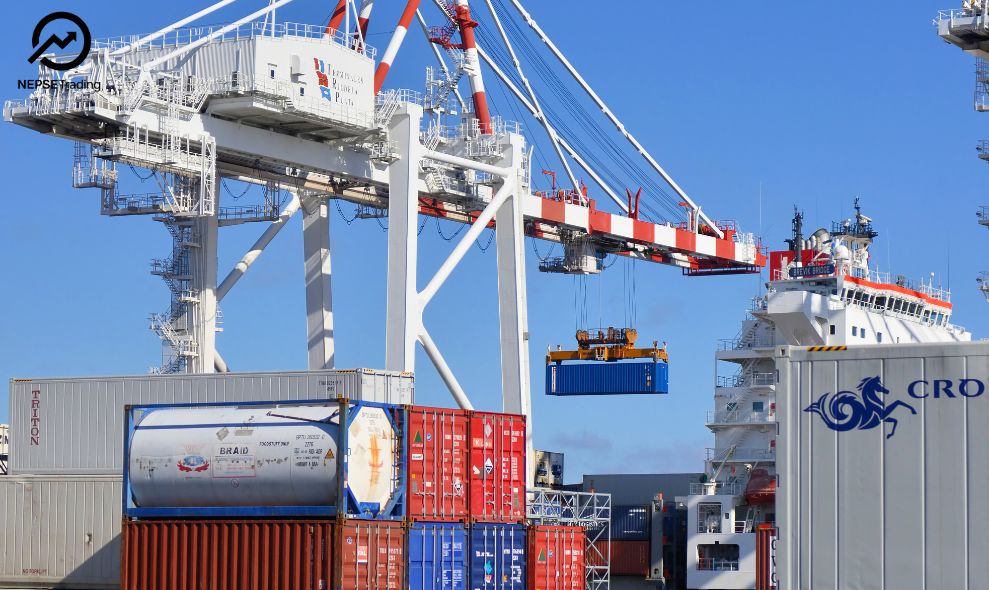
The external debt-to-GDP ratio now stands at 22.9%, slightly higher than the domestic debt ratio of 20.8%. While this figure is still below international risk thresholds, the pace of accumulation signals growing dependency on external borrowing. Foreign loans are often taken at concessional rates, but repayment obligations—especially in foreign currency—pose risks if export growth and remittance inflows weaken. With the trade deficit still massive (imports of Rs. 1,804 billion vs. exports of Rs. 277 billion in FY 2024/25), the ability to generate foreign exchange for debt servicing is heavily reliant on remittances and hydropower exports.

The challenge is compounded by low capital expenditure efficiency. Although external debt is ideally meant to finance infrastructure, energy, and development projects, capital spending remains weak at just 3–4% of GDP. Delays, cost overruns, and governance issues reduce the productivity of borrowed funds, raising concerns that Nepal is borrowing more but delivering less in terms of tangible economic returns.

On the positive side, record-high foreign exchange reserves (above USD 20 billion) provide short-term security, ensuring that Nepal can meet external obligations. But in the longer run, continued reliance on loans without boosting domestic revenue and productive investment risks creating a debt dependency cycle. If global financial conditions tighten or concessional borrowing terms change, Nepal’s repayment burden could increase sharply.

To ensure sustainability, Nepal must prioritize channeling external loans into high-multiplier projects—such as hydropower exports, connectivity infrastructure, and digital transformation—that can generate future revenues. At the same time, improving revenue collection and reducing overdependence on remittance-driven reserves are essential to avoid external vulnerability.

Related Blogs

ABC Securities Investor Pro Meet 2082 Concludes Successfully in Birgunj
Top

3 min read

ABC Securities Investor Pro Meet 2082 Concludes Successfully in Birgunj

ABC Securities Investor Pro Meet 2082 Concludes Successfully in Birgunj The ABC Securities Investor Pro Meet 2082, organized under the financial literacy campaign of ABC Securities, was successfully held in Birgunj with strong participation from investors, market experts, and business leaders. The one-day program included share market training, panel discussions, and interactive sessions aimed at improving investors’ understanding of Nepal’s capital market. According to the organizers, the main objective of the event was to strengthen investors’ knowledge, skills, and confidence so that they can make informed and responsible investment decisions. The program reflected the growing demand for structured and practical market education among Nepalese investors. In recent years, participation in the stock market has increased rapidly, especially among young and first-time investors. However, many of them still lack proper understanding of market risks, technical analysis, and long-term investment planning. By organizing such events, ABC Securities is attempting to bridge this knowledge gap and promote disciplined investment behavior. The ABC Securities Investor Pro Meet 2082, organized under the financial literacy campaign of ABC Securities, was successfully held in Birgunj with strong participation from investors, market experts, and business leaders. The one-day program included share market training, panel discussions, and interactive sessions aimed at improving investors’ understanding of Nepal’s capital market. According to the organizers, the main objective of the event was to strengthen investors’ knowledge, skills, and confidence so that they can make informed and responsible investment decisions. The program reflected the growing demand for structured and practical market education among Nepalese investors. In recent years, participation in the stock market has increased rapidly, especially among young and first-time investors. However, many of them still lack proper understanding of market risks, technical analysis, and long-term investment planning. By organizing such events, ABC Securities is attempting to bridge this knowledge gap and promote disciplined investment behavior.

Dipesh Ghimire

·

23 Feb, 2026