By Sandeep Chaudhary
Lending Rates Drop Below 8%: Opportunities for Borrowers in Nepal
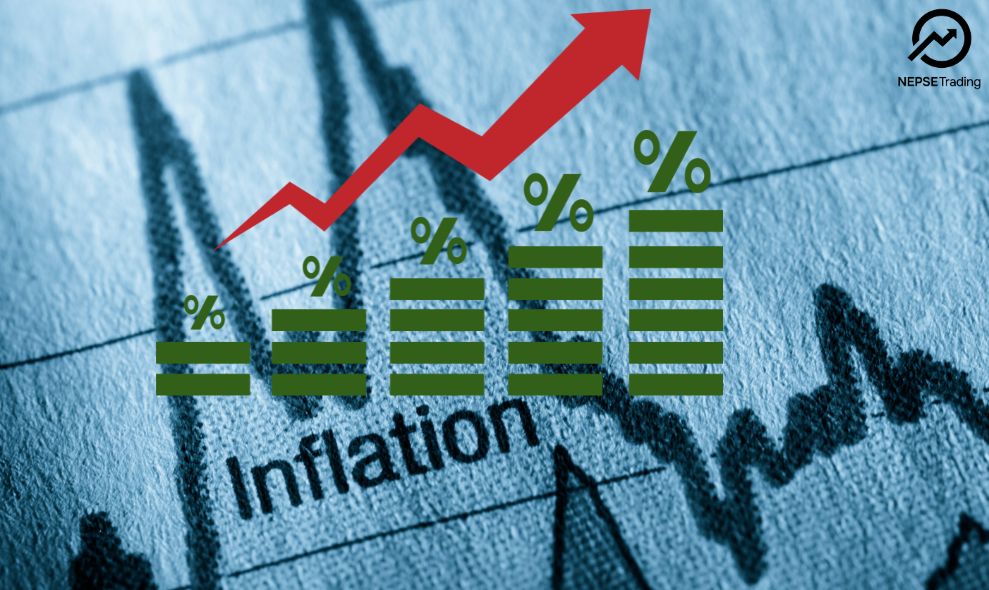
Nepal’s financial landscape is shifting as the weighted average lending rate of commercial banks has fallen below the 8% threshold for the first time in several years. After peaking at 12.30% in FY 2022/23, lending rates declined to 9.93% in FY 2023/24, dropped further to 7.85% in FY 2024/25, and now stand at 7.76% by mid-August 2082/83 (2025/26). This decline is driven by abundant liquidity in the banking system, fueled by record remittance inflows, a strong Balance of Payments surplus, and declining deposit rates.
For borrowers, this is a highly favorable environment. Lower lending rates mean cheaper access to credit for businesses, households, and entrepreneurs. Industrial firms and SMEs can finance expansion projects at reduced costs, households can take out more affordable home or education loans, and investors may find it easier to access financing for productive ventures. Importantly, lower financing costs could help revive Gross Fixed Capital Formation, which has slipped to just 24.1% of GDP in FY 2024/25, by incentivizing investment in infrastructure, hydropower, agro-processing, and technology sectors.
The implications are particularly significant for sectors that rely heavily on debt financing. Hydropower projects, which require long-term capital, stand to benefit from reduced borrowing costs. Similarly, agriculture, tourism, and IT-based startups could leverage cheaper loans to scale up operations. This creates a window of opportunity for Nepal to channel lower rates into productive investments that generate jobs and exports.
However, lower lending rates also bring risks. If credit flows disproportionately into unproductive areas—such as real estate speculation or luxury consumption—then the benefits of cheaper loans may not translate into sustainable growth. Moreover, weak private sector credit growth (still below 8%) shows that investor confidence remains cautious, meaning lower rates alone may not be enough to spur borrowing unless accompanied by supportive policies and a stronger investment climate.
Overall, the drop in lending rates below 8% is a rare opportunity for Nepal. If harnessed wisely, it could stimulate investment, boost economic growth, and reduce the country’s reliance on remittances as the main growth driver. But to unlock these gains, banks and policymakers must ensure credit is directed toward productive sectors rather than short-term consumption or speculative assets.