#NepalRastraBank #NRBDirective
·

By Sandeep Chaudhary

Nepal Rastra Bank Scraps NPR 25 Crore Loan Cap: What It Means for Banks and Businesses

Nepal Rastra Bank Scraps NPR 25 Crore Loan Cap: What It Means for Banks and Businesses

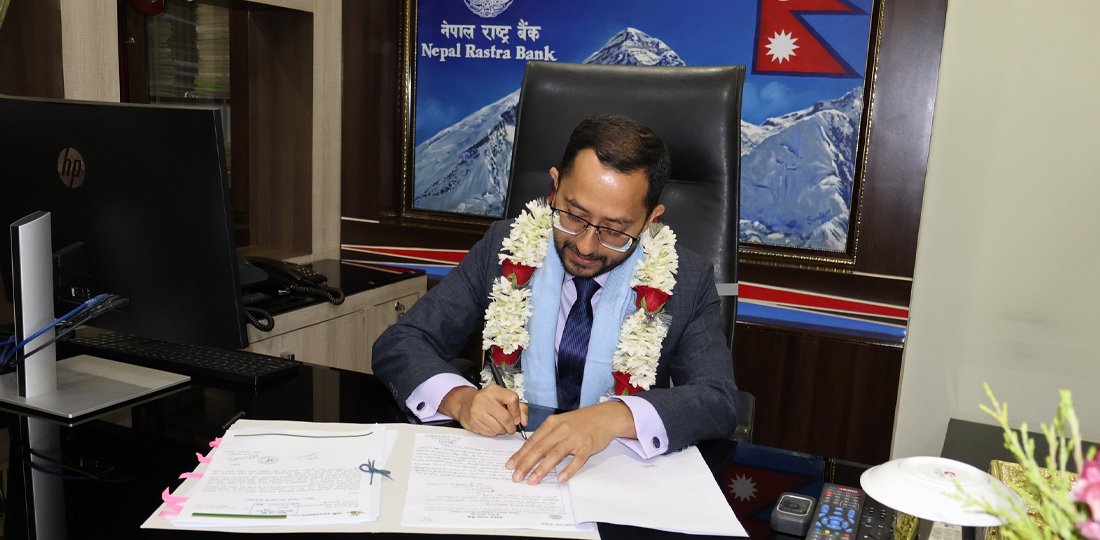
In a landmark policy move, Nepal Rastra Bank (NRB) has officially scrapped the Single Obligor Limit (SOL)—the long-enforced rule that capped lending to a single borrower or related group at NPR 25 crore. The change, announced through the recent amendment to the Unified Directives 2081 (2024 AD), represents one of the most significant liberalizations in Nepal’s banking regulation in recent years.

What Was the Single Obligor Limit?

The SOL provision was designed to prevent banks from overexposing themselves to a single borrower or a group of related entities. No financial institution could extend total credit exposure—through loans or guarantees—beyond NPR 25 crore to one borrower without NRB’s prior approval. This rule aimed to minimize credit concentration risk and protect financial stability in Nepal’s banking system.

Why Has NRB Removed the Cap?

NRB’s removal of this restriction signals a strategic shift toward credit liberalization and investment expansion. With the banking sector now holding a significant liquidity surplus and credit growth stagnating, the central bank appears to be encouraging banks to lend more freely, particularly in infrastructure, hydropower, and industrial projects that require large-scale financing.

Implications for Banks

Banks will now have more flexibility and autonomy in approving large-ticket loans without NRB’s pre-clearance. This could speed up project financing, reduce bureaucratic delays, and enhance competitiveness in corporate lending. However, it also transfers greater risk management responsibility to banks’ internal governance systems, as any misuse or credit concentration could threaten institutional stability.

Implications for Businesses

For large corporate borrowers—especially those in energy, manufacturing, real estate, and construction—this is welcome news. The new freedom allows them to negotiate bigger financing packages directly with banks, supporting project execution and economic expansion. However, smaller businesses may face intensified competition for credit if big borrowers attract larger funding.

Regulatory Oversight Remains

Although the limit is removed, NRB has clarified that banks and their management remain fully accountable for prudent lending practices. Any misuse of discretion or excessive risk-taking could invite corrective and supervisory actions.

Related Blogs

ABC Securities Investor Pro Meet 2082 Concludes Successfully in Birgunj
Top

3 min read

ABC Securities Investor Pro Meet 2082 Concludes Successfully in Birgunj

ABC Securities Investor Pro Meet 2082 Concludes Successfully in Birgunj The ABC Securities Investor Pro Meet 2082, organized under the financial literacy campaign of ABC Securities, was successfully held in Birgunj with strong participation from investors, market experts, and business leaders. The one-day program included share market training, panel discussions, and interactive sessions aimed at improving investors’ understanding of Nepal’s capital market. According to the organizers, the main objective of the event was to strengthen investors’ knowledge, skills, and confidence so that they can make informed and responsible investment decisions. The program reflected the growing demand for structured and practical market education among Nepalese investors. In recent years, participation in the stock market has increased rapidly, especially among young and first-time investors. However, many of them still lack proper understanding of market risks, technical analysis, and long-term investment planning. By organizing such events, ABC Securities is attempting to bridge this knowledge gap and promote disciplined investment behavior. The ABC Securities Investor Pro Meet 2082, organized under the financial literacy campaign of ABC Securities, was successfully held in Birgunj with strong participation from investors, market experts, and business leaders. The one-day program included share market training, panel discussions, and interactive sessions aimed at improving investors’ understanding of Nepal’s capital market. According to the organizers, the main objective of the event was to strengthen investors’ knowledge, skills, and confidence so that they can make informed and responsible investment decisions. The program reflected the growing demand for structured and practical market education among Nepalese investors. In recent years, participation in the stock market has increased rapidly, especially among young and first-time investors. However, many of them still lack proper understanding of market risks, technical analysis, and long-term investment planning. By organizing such events, ABC Securities is attempting to bridge this knowledge gap and promote disciplined investment behavior.

Dipesh Ghimire

·

23 Feb, 2026