By Sandeep Chaudhary
NRB Data 2025/26: Nepal’s Inflation Falls to 1.87% in Mid-September
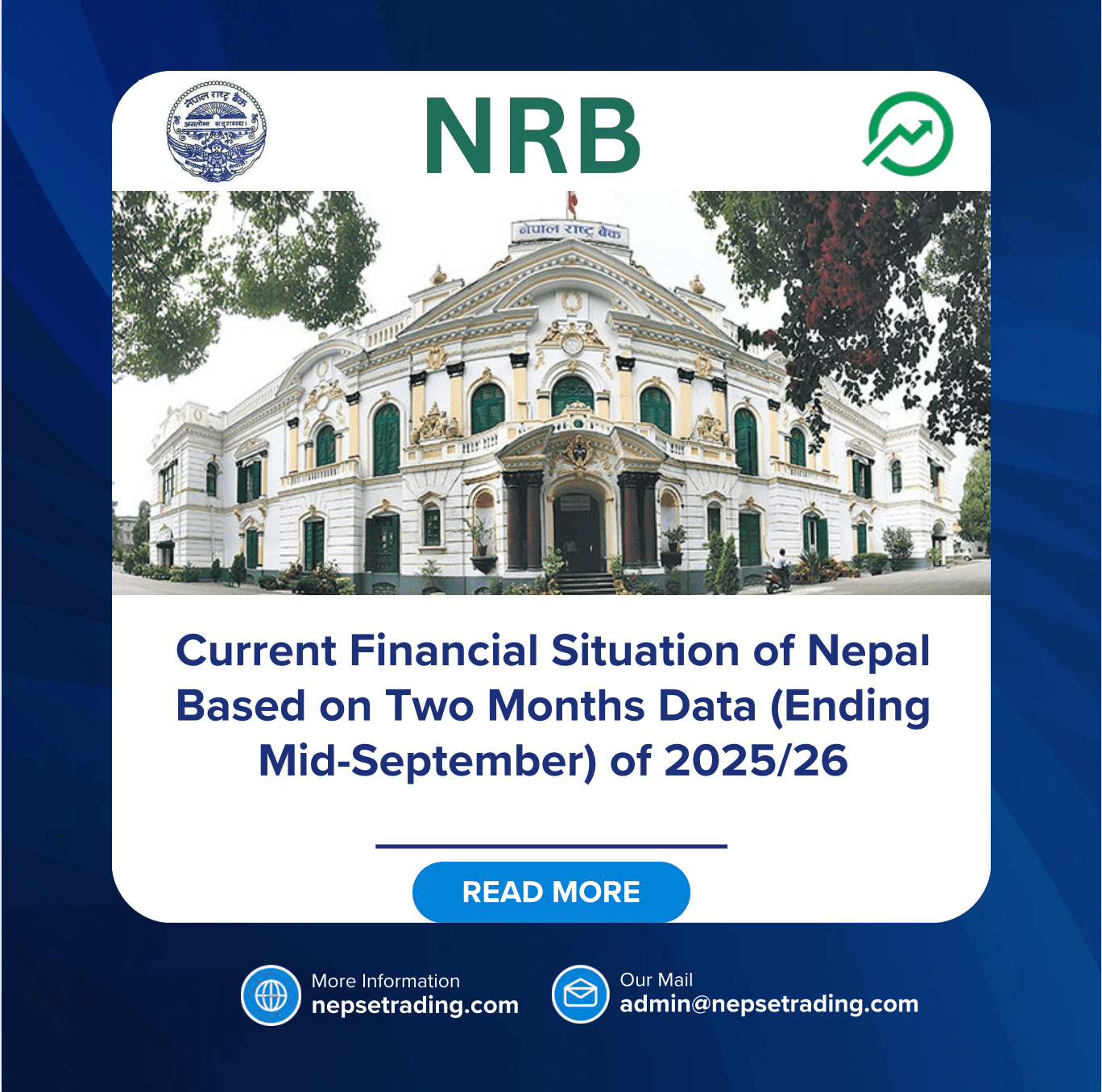
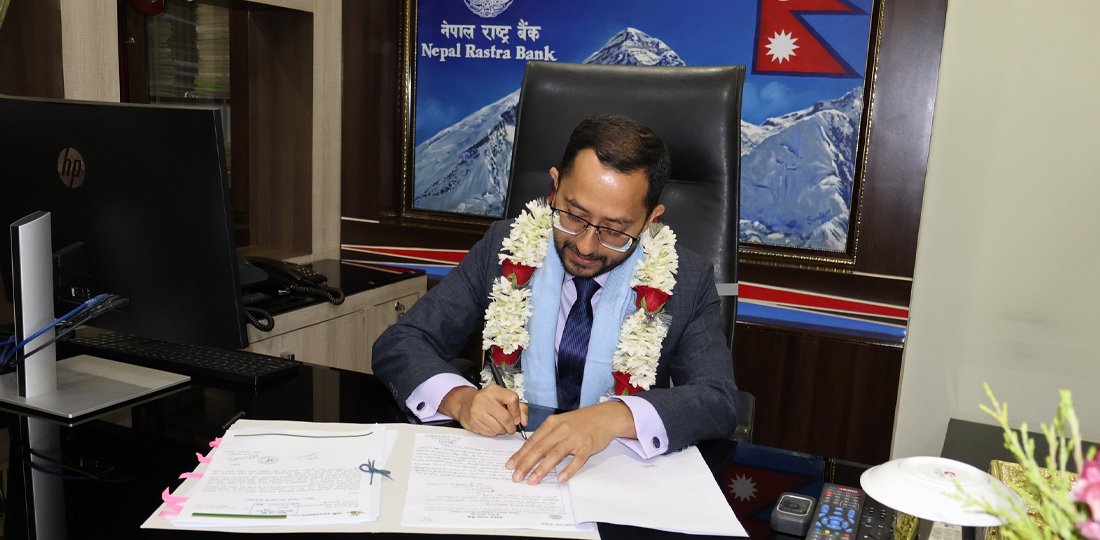
Nepal Rastra Bank’s (NRB) latest macroeconomic update for mid-September 2025/26 reveals that the country’s inflation rate has dropped sharply to 1.87%, marking one of the lowest levels in recent years. This significant decline in inflation comes as both domestic and global price pressures ease, supported by improved supply chain conditions, stable foreign reserves, and moderated import costs.
According to the data, headline Consumer Price Inflation (CPI) declined from 3.86% a year ago to 1.87%, driven largely by a deflation in food prices, which fell by 1.34%. The fall in food inflation was influenced by better agricultural harvests, stable fuel prices, and reduced global commodity prices. On the other hand, non-food inflationstood at 3.7%, reflecting moderate increases in the cost of housing, utilities, health, and education services. The Wholesale Price Index (WPI) also eased to 2.10%, indicating that producers are facing less cost pressure compared to the previous fiscal year.
In the external sector, the economy showed notable improvement. Exports surged by 47.3%, reaching Rs. 277 billion, while imports grew by 16.2% to Rs. 305 billion. As a result, the overall trade deficit remained under control. The current account balance recorded a surplus of Rs. 130.7 billion, compared to Rs. 54.4 billion in the same period last year. Strong remittance inflows — up to Rs. 352 billion — and a healthy foreign exchange reserve of USD 20.41 billion have further strengthened Nepal’s external position, ensuring import coverage for more than a year.
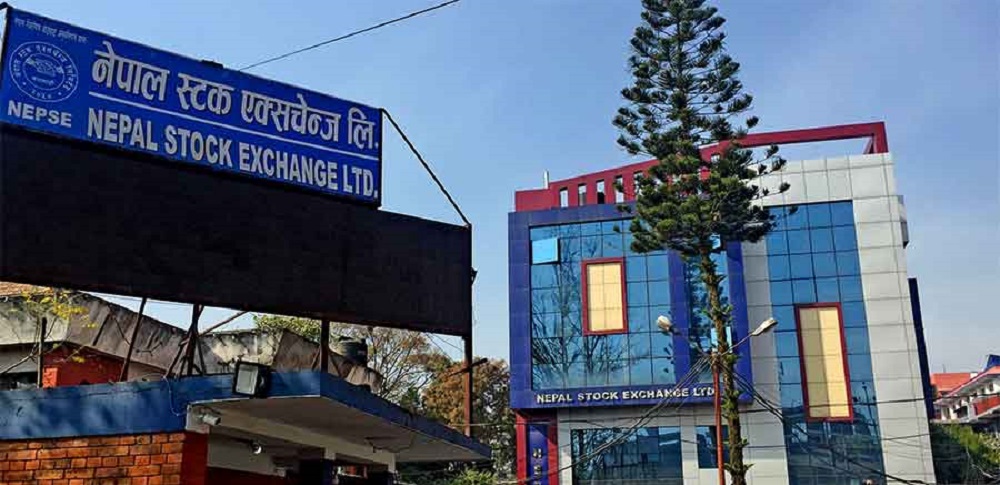
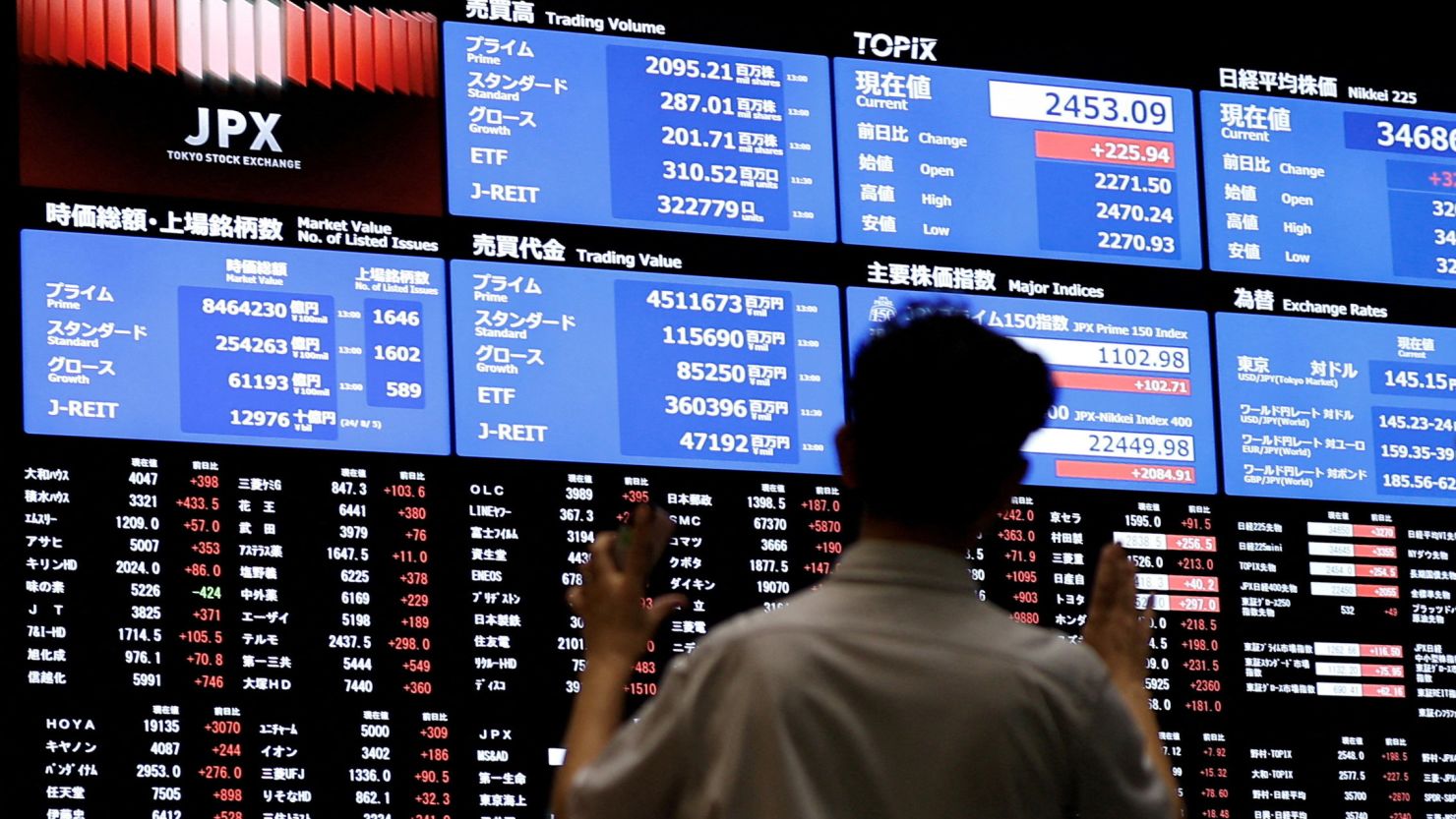
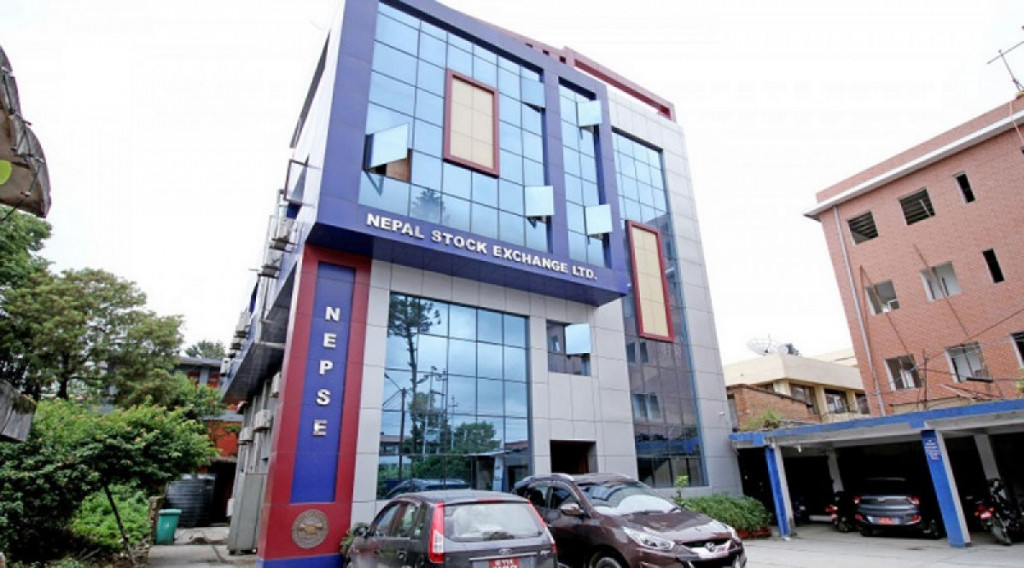
The financial sector has also seen easing conditions. The base rate fell to 5.72%, while the lending rate averaged 7.66%, reflecting better liquidity management within the banking system. Similarly, deposit rates declined to 3.96%, showing reduced competition for funds among banks. Broad money supply (M2) grew by 12.4%, supporting moderate credit expansion to the private sector. The NEPSE Index rose slightly to 2672 points, with market capitalization reaching 73.1% of GDP, indicating renewed investor confidence in the equity market.
On the fiscal side, the government’s spending increased sharply while revenue collection slowed. Expenditure growthreached 31%, but revenue growth recorded a contraction of -5.32% in mid-September 2025/26. Both domestic and external debt have increased moderately to Rs. 1,276 billion and Rs. 1,461 billion, respectively. Nonetheless, Nepal’s public debt-to-GDP ratio remains sustainable at around 43%, well below critical levels seen in developing economies.
The real economy continues to expand modestly. Real GDP is estimated to grow by 4.0% in FY 2024/25, with a projected 4.6% growth in FY 2025/26. Despite low inflation and external stability, the main challenges remain in fiscal discipline, employment generation, and private investment revival.
In summary, Nepal’s economy is showing signs of stabilization with low inflation, strong external reserves, and a recovering financial market. However, the government must focus on boosting domestic demand, supporting agriculture, and ensuring fiscal prudence to sustain this macroeconomic balance.