By Dipesh Ghimire
Why the Stock Market Is Not Afraid of the 21 fagun Election
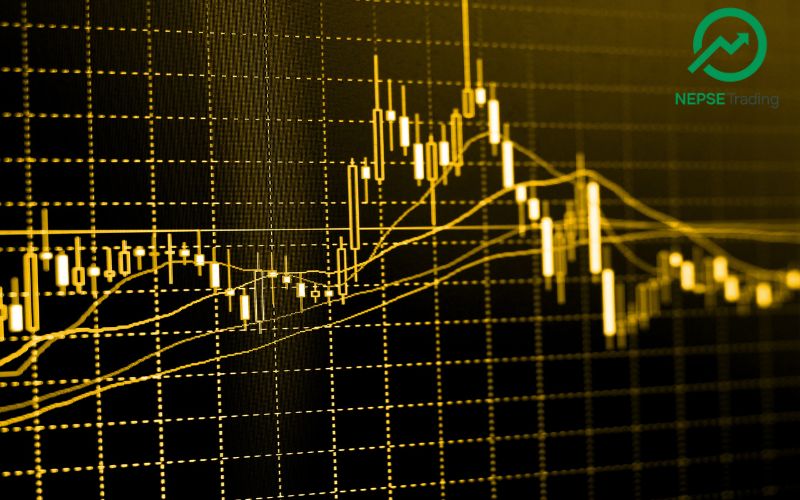
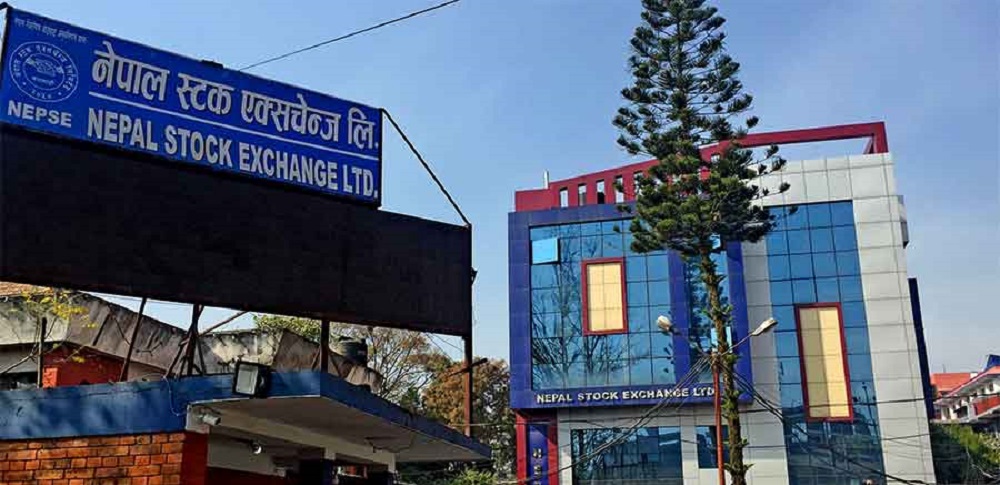
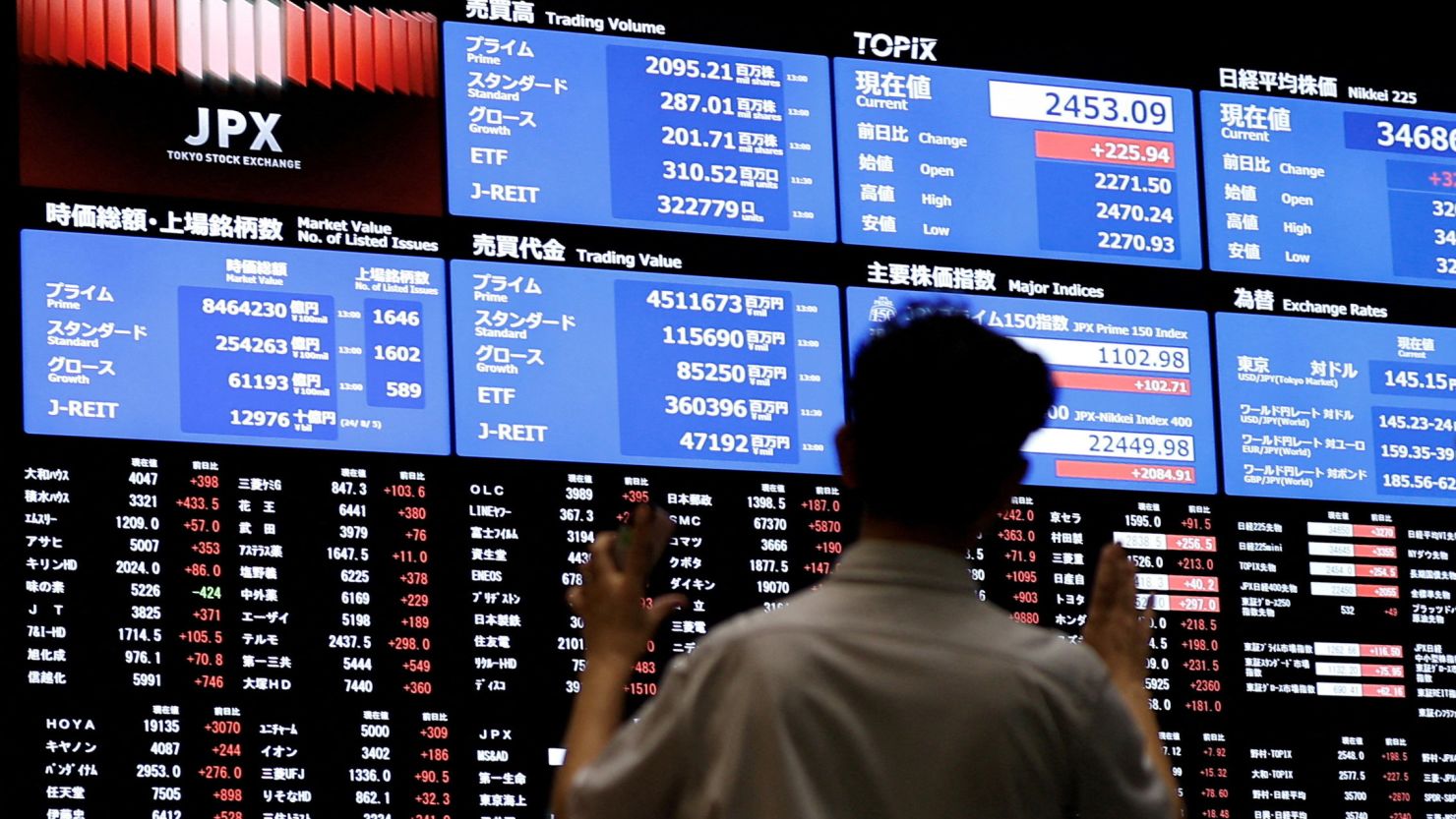
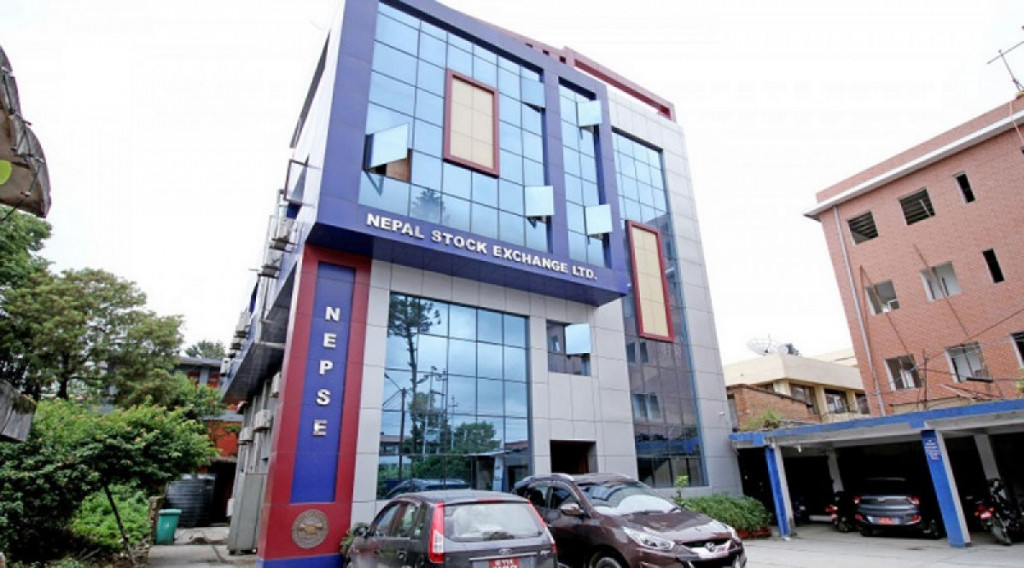
The upcoming House of Representatives election scheduled for fagun 21 has emerged as more than a political event—it has become a key determinant of economic sentiment, particularly in Nepal’s stock market. Contrary to past elections that triggered uncertainty and caution among investors, the current electoral environment appears to have injected confidence into the capital market. Recent movements in the NEPSE index suggest that investors are interpreting this election as an opportunity rather than a risk.
Historically, elections in Nepal have been associated with volatility in the stock market. Policy uncertainty, unstable coalitions, and abrupt ideological shifts often pushed investors into a wait-and-see mode. This time, however, the situation is notably different. The election is confirmed, state mechanisms are fully mobilized, and the possibility of political disruption appears limited. As a result, the market has responded with stability rather than anxiety.
A defining feature of this election is the political awareness generated by the Gen-Z movement. Public frustration over governance failures, corruption, and the repetition of the same political leadership has translated into a strong demand for reform and accountability. This sentiment has not remained confined to the streets—it has entered the financial market as well. Investors, much like voters, are increasingly focused on leadership credibility, reform orientation, and economic clarity.
Recent stock market rallies following major political developments underline this changing psychology. The market’s upward response to events linked with emerging political forces indicates that investors are actively pricing in expectations of reform, transparency, and improved governance. These reactions are not emotional spikes but signals of anticipatory confidence rooted in future economic direction.
Another critical factor shaping market sentiment is the economic ideology of the major political contenders. Despite ideological labels, most prominent parties and leaders currently advocating change endorse liberal, private-sector-friendly economic frameworks. Commitments to open markets, private investment protection, infrastructure development, and reduced bureaucratic interference resonate positively with the capital market.
Nepal’s stock market history shows how deeply politics can influence investor behavior. The sharp market decline following the 2008 election—driven by ideological uncertainty and anti-market rhetoric—remains a powerful reminder. However, today’s political landscape is markedly different. Even parties with leftist origins now operate within pragmatic, market-compatible economic frameworks, reducing ideological fear among investors.
The convergence of economic thinking among major parties has also reduced policy risk. While political competition remains intense, the differences are increasingly about leadership and governance style rather than economic fundamentals. For the stock market, this convergence translates into predictability—an essential ingredient for sustained investor confidence.
Leadership transition is another crucial element shaping optimism. The visible decline of older, controversial political figures and the rise of younger, reform-oriented leaders have strengthened expectations of institutional improvement. Since stock markets are inherently forward-looking, the prospect of generational change in political leadership has been interpreted as a positive long-term signal.
Short-term liquidity dynamics further support the market. Election-related spending—estimated to approach NPR 100 billion—is expected to increase money circulation in the economy. Such liquidity often fuels consumer activity and investment flows, indirectly benefiting the capital market during the election cycle.
That said, risks have not disappeared entirely. Post-election coalition negotiations, delays in government formation, or policy contradictions could still trigger market corrections. However, compared to previous elections, downside risks appear contained, while upside expectations dominate investor sentiment.
In conclusion, the fagun 21 election is being perceived by the stock market not as a threat but as a turning point. The combination of political stability, reform-oriented public sentiment, private-sector-friendly economic outlooks, and leadership renewal has given the market a clear green signal. If these expectations are sustained beyond the election, Nepal’s stock market may be entering a phase of structurally stronger confidence rather than short-lived optimism.